Non-Surgical Neck Lift in Korea: Treatments for Neck Lines and Loose Skin

Short answer: A non-surgical neck lift in Korea is usually a tailored mix of treatments rather than one procedure. Focused ultrasound or radiofrequency tighten loose skin, Botox relaxes the platysma bands that pull the neck and jawline down, and soft fillers or skin boosters soften horizontal neck lines. These options suit mild to moderate concerns with little downtime. Heavy loose skin or a large amount of fat under the chin generally needs a surgical opinion.
Why does the neck age so visibly?
Neck skin is thinner than facial skin and has fewer oil glands, so it loses collagen and moisture more quickly. Several changes happen together:
- Horizontal lines, sometimes called necklace lines, deepen with age, sun exposure and habits such as looking down at a phone.
- Vertical bands appear when the platysma muscle becomes more prominent and pulls downwards.
- Loose or crepey skin develops as collagen and elastin decline.
- Fullness under the chin can come from fat, genetics or weakened support.
Each needs a different approach, which is why a good assessment matters more than any single device. A treatment overview of the non-surgical neck lift in Seoul describes how these concerns are usually combined into a plan.
Which treatments are used for a non-surgical neck lift?
| Concern | Common treatments | How they help | Typical downtime |
|---|---|---|---|
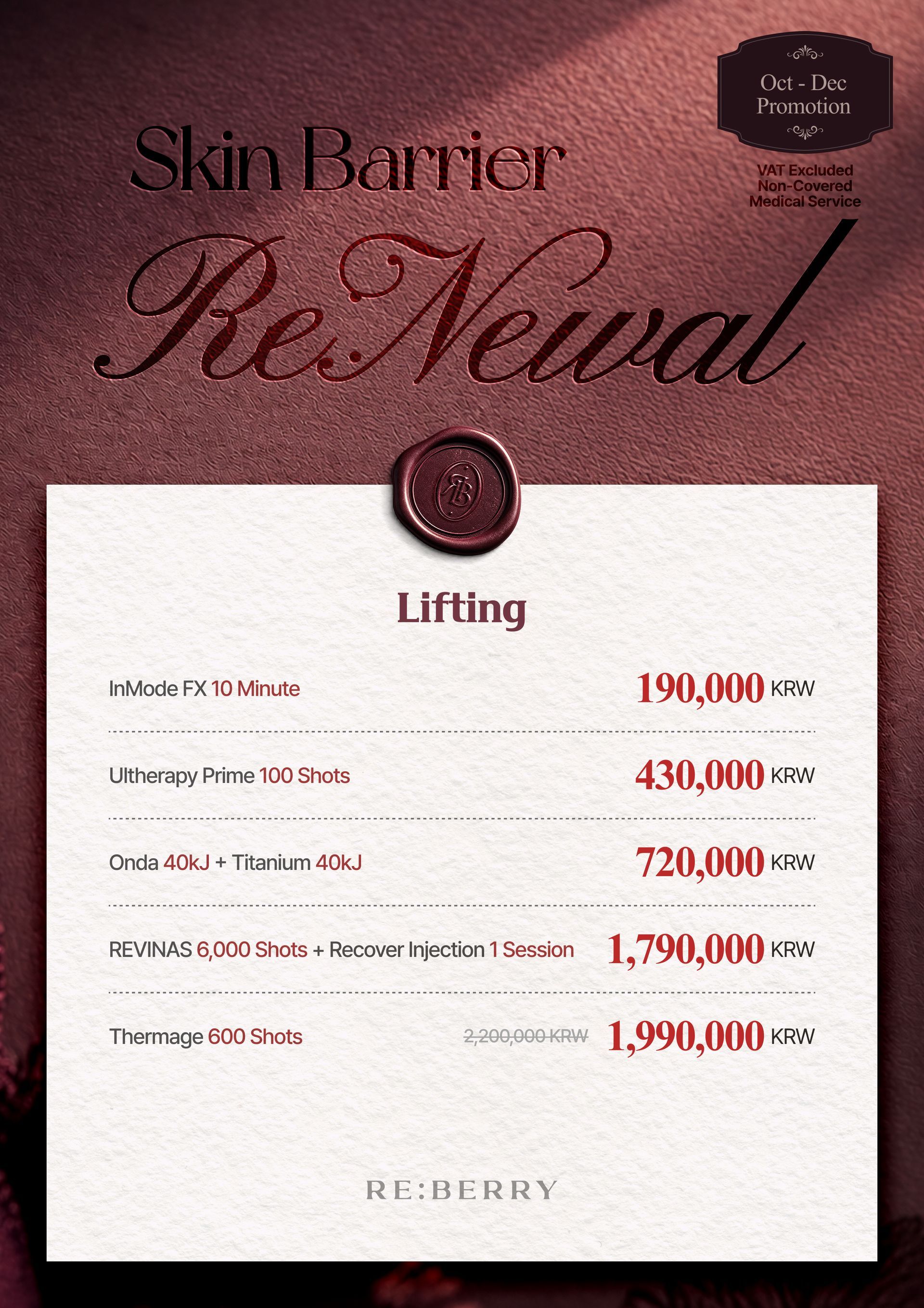
| Loose, sagging skin | HIFU (e.g. Ultherapy, Shurink), radiofrequency (e.g. Thermage FLX), Sofwave | Heat tightens tissue and stimulates collagen over months | None to a few days of tenderness |
| Vertical platysma bands | Platysma Botox | Relaxes the muscle pulling the neck and jawline down | Minimal |
| Horizontal neck lines | Soft hyaluronic fillers, skin boosters | Smooths creases and improves hydration | Small bumps or bruising for a few days |
| Crepey texture | Skin boosters, RF microneedling, Rejuran | Improves thickness, elasticity and texture | Redness or small marks for a few days |
| Fullness under the chin | Fat-dissolving injections, HIFU, threads | Reduces fat or tightens the area | Swelling for several days with injections |
Energy devices for loose neck skin
Focused ultrasound and radiofrequency are the main tools for tightening. They heat the deeper layers, triggering new collagen that builds gradually over two to six months. Ultrasound reaches deeper and is often used along the jawline and under the chin, while radiofrequency works well across the broader neck surface. Some doctors use both in the same plan. A guide to Sofwave neck tightening explains another ultrasound option that works at a shallower depth.
The neck has important nerves, the thyroid and major blood vessels, so energy settings and placement need care. Treatment should always be planned by a doctor.
Botox for neck bands and the jawline
Small amounts of botulinum toxin placed along the vertical platysma bands relax the muscle. This can soften the bands and reduce the downward pull on the lower face, which sometimes gives a cleaner jawline. Effects typically appear within one to two weeks and last around three to four months. Dosing and placement need experience, because overly strong treatment can rarely affect swallowing or neck strength. Read more about platysma Botox and who it suits.
Fillers and boosters for neck lines
Deep horizontal lines often respond to very soft hyaluronic acid filler placed in small amounts directly into the crease, or to skin boosters spread across the area. The aim is smoothing, not volume, so thicker fillers are avoided. Small bumps and bruising are common for a few days. Lines may need more than one session, and results commonly last several months to around a year depending on the product.
Who is a good candidate?
- People with mild to moderate neck laxity or early banding.
- Those with visible horizontal lines but good overall skin support.
- Anyone wanting improvement without scars or long recovery.
Non-surgical options tend to disappoint when there is a lot of excess skin, significant fat under the chin or very strong banding. A surgical neck lift may be more appropriate in those cases.
Safety and when to see a doctor first
These treatments are usually avoided in pregnancy and over infection or open wounds. Tell your doctor about thyroid problems, neuromuscular conditions, blood-thinning medication, implants and any history of keloid scarring. A new lump, swelling or tenderness in the neck should be checked by a doctor before any cosmetic treatment, as it may need medical investigation.
After treatment, contact the clinic promptly if you notice difficulty swallowing, weakness lifting your head, severe pain or blistering.
Frequently asked questions
How long does a non-surgical neck lift last?
It depends on the treatments used. Energy-device results often last around a year, Botox around three to four months, and fillers several months to a year.
Can neck lines be removed completely?
Usually they can be softened rather than erased. Deep lines often improve over several sessions.
Is there downtime?
Generally little. Mild tenderness, small bumps or bruises may last a few days, depending on the combination.
Can I treat my face and neck in the same visit?
Often yes. Many lifting plans include the lower face, jawline and neck together for a more balanced result.
When is surgery a better option?
When there is significant excess skin, heavy fat under the chin or strong bands, surgery usually gives a more meaningful result.
This article is general information, not medical advice. The neck contains delicate structures, so have any lumps checked and discuss suitable treatments with a qualified doctor first.