Ultherapy in Seoul, Korea

  What is Ultherapy?

  • Ultherapy is a non-invasive skin-lifting treatment that uses micro-focused ultrasound energy to heat precise layers beneath the skin—deep into the dermis and the SMAS layer (the same foundational layer targeted in surgical facelifts).
  • It’s FDA-cleared for lifting of the brow, under-chin area, neck, and improving the appearance of lines and wrinkles on the decolletage.
  • The key benefit: you get tissue tightening and collagen stimulation without incisions, general anaesthesia or the recovery of surgery.

  What concerns / areas does Ultherapy address?

  Good fit for:

  • Sagging jawline and jowls.
  • Loose skin under the chin or neck area.
  • Drooping brow/upper face (in some cases).
  • People who want lifting and firming but haven’t yet reached the stage where they need a surgical facelift.

  Important note: It won’t replace a surgical facelift if you have very heavy skin laxity, redundant skin or a large

  What is the Elastic Band Lift?

  • The Elastic Band Lift (also called “elastic thread/band lift”, “Elasticum Lift” etc in Korea) involves inserting a flexible elastic strand or band (rather than a stiff absorbable thread) into the sub-dermal/SMAS layer of the face.
  • The band is designed to mimic natural ligaments: it supports sagging tissue, allows facial movement (less risk of stiff, unnatural expression) and aims for longer-lasting lift.
  • This procedure sits between a thread lift and a surgical facelift in terms of invasiveness and result.

  Why consider it?

  • Good option if you have moderate skin sagging (jawline, jowls, cheeks) but are not ready/willing for full surgery.
  • You want natural facial movement (not a frozen look) — the elastic nature supports that.
  • You prefer longer-lasting effect than standard threads (some clinics claim up to 2-5 years depending on band type & patient).
  • Minimal scars/incisions compared to surgical lifting.

  What to expect during the procedure

  • Consultation & mapping of facial sagging vectors.
  • Local anaesthesia (generally) and insertion of the band via small entry points.
  • The band is anchored in deeper tissue (often SMAS layer) and positioned to lift sagging areas.
  • Immediately visible lift; full settling over a few weeks.
  • Downtime is relatively short: mild swelling or tightness for a few days.
  • Longevity: At some clinics, they claim ~2-3 years for the elastic band lift. Some go as high as 5 years for special band types.


  Suitability & ideal candidates

  • Ages ~30s-50s with visible sagging but still good skin tone.
  • Those who have decent skin elasticity but need structural support.
  • Not ideal if you have very heavy laxity or extremely loose skin — surgical facelift might be more suitable.
  • Good for patients who want natural movement, minimal downtime, and a lift effect stronger than threads but less invasive than full surgery.

  Risks and considerations

  • As with all invasive aesthetic treatments: risk of bruising, swelling, asymmetry, infection, discomfort.
  • Expression dynamics must be preserved — choose a clinic that emphasises natural movement and proper anchoring.
  • Is the band device approved and safe? Ask about the exact material, anchoring method, surgeon’s experience.
  • Longevity varies — lifestyle, skin quality, weight changes, UV exposure will impact results.
  • Aftercare is important: avoid intense facial movement, massage, saunas for a short period post-procedure.

  Aftercare & maintenance tips

  • Use gentle skincare and sun protection.
  • Avoid excessive facial movement, strong massages or treatments (e.g., strong RF/laser) for initial days as advised by clinic.
  • Maintain skin quality with moisturisers, firming serums, maybe supportive treatments (laser, RF) to prolong the lift.
  • Follow-ups: some clinics recommend annual check-ups or “top-up” treatments to maintain optimal contour.

  Why do it in Seoul, Korea?

  • Korea is a global hub for advanced facial contouring and lifting techniques: high surgeon skill, modern materials, competitive pricing.
  • Clinics familiar with international patients: English-speaking staff, streamlined consultations.
  • Opportunity to combine the band lift with other treatments (skin boosters, lasers, fillers) for a comprehensive anti-aging plan.


  How the procedure works – step by step

  In a Seoul clinic, you can expect something like this:

  1. Consultation & assessment – Your skin type, thickness, areas of laxity, face shape will be evaluated. The clinician will determine how many “shots”/lines of ultrasound energy, which depths (tip types) are needed.
  2. Mapping & planning – Often using ultrasound imaging (real-time) to ensure energy is delivered accurately into the correct layers beneath the skin. Some clinics emphasise this.
  3. Treatment session – Preparation (cleansing, marking), then application of the ultrasound hand-piece. You’ll feel ultrasound pulses, some warmth or tingling. Procedure time depends on area (face, neck, combined).
  4. Post-treatment – Minimal downtime in many cases: skin may be slightly red or warm, maybe some swelling but usually mild. You can typically resume daily activity.
  5. Results develop over time – While you may see some lift immediately, the full effect usually shows over the next 2–3 months as collagen rebuilds, and continues up to 6 months.


  Typical cost range in Seoul (indicative)

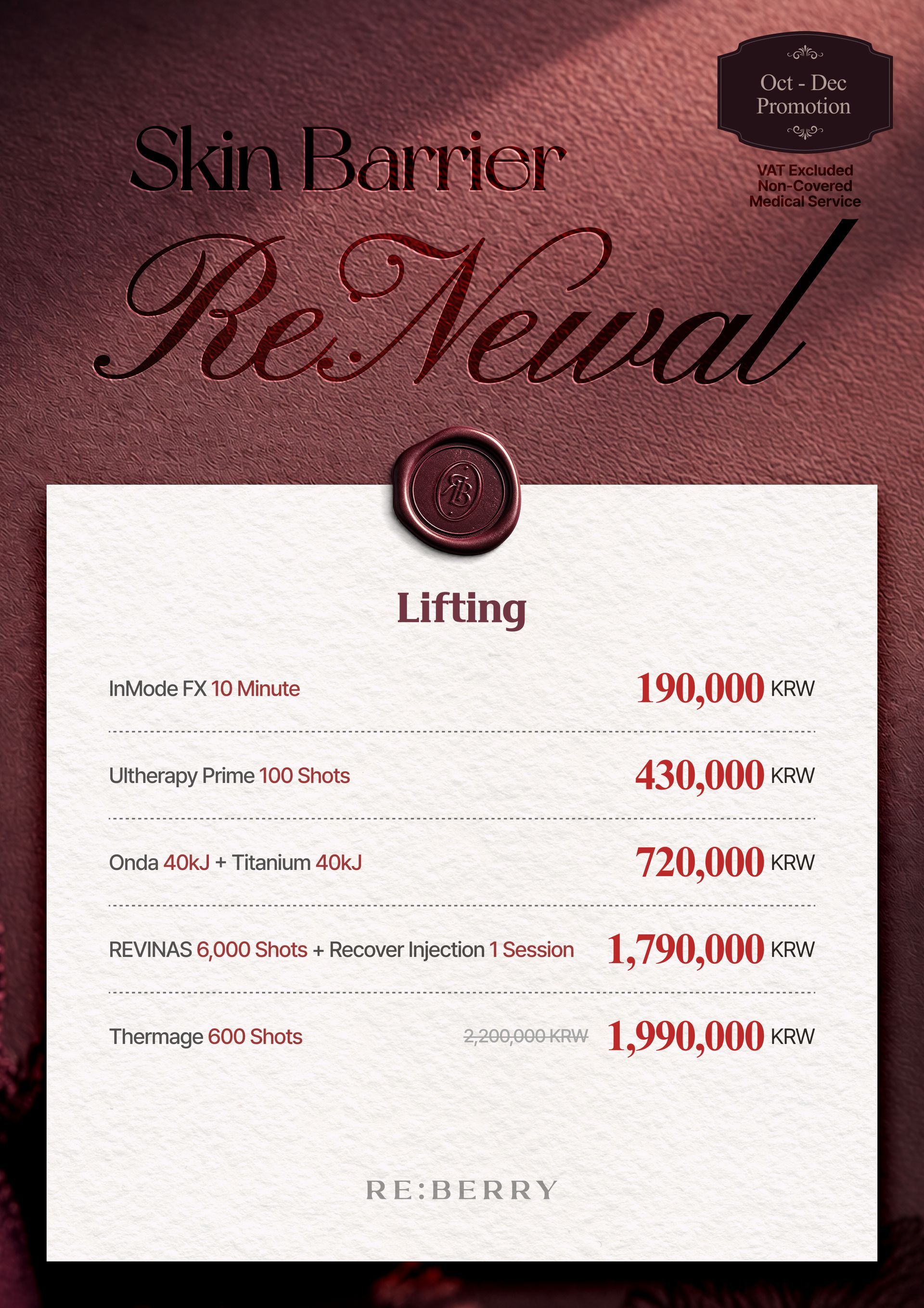
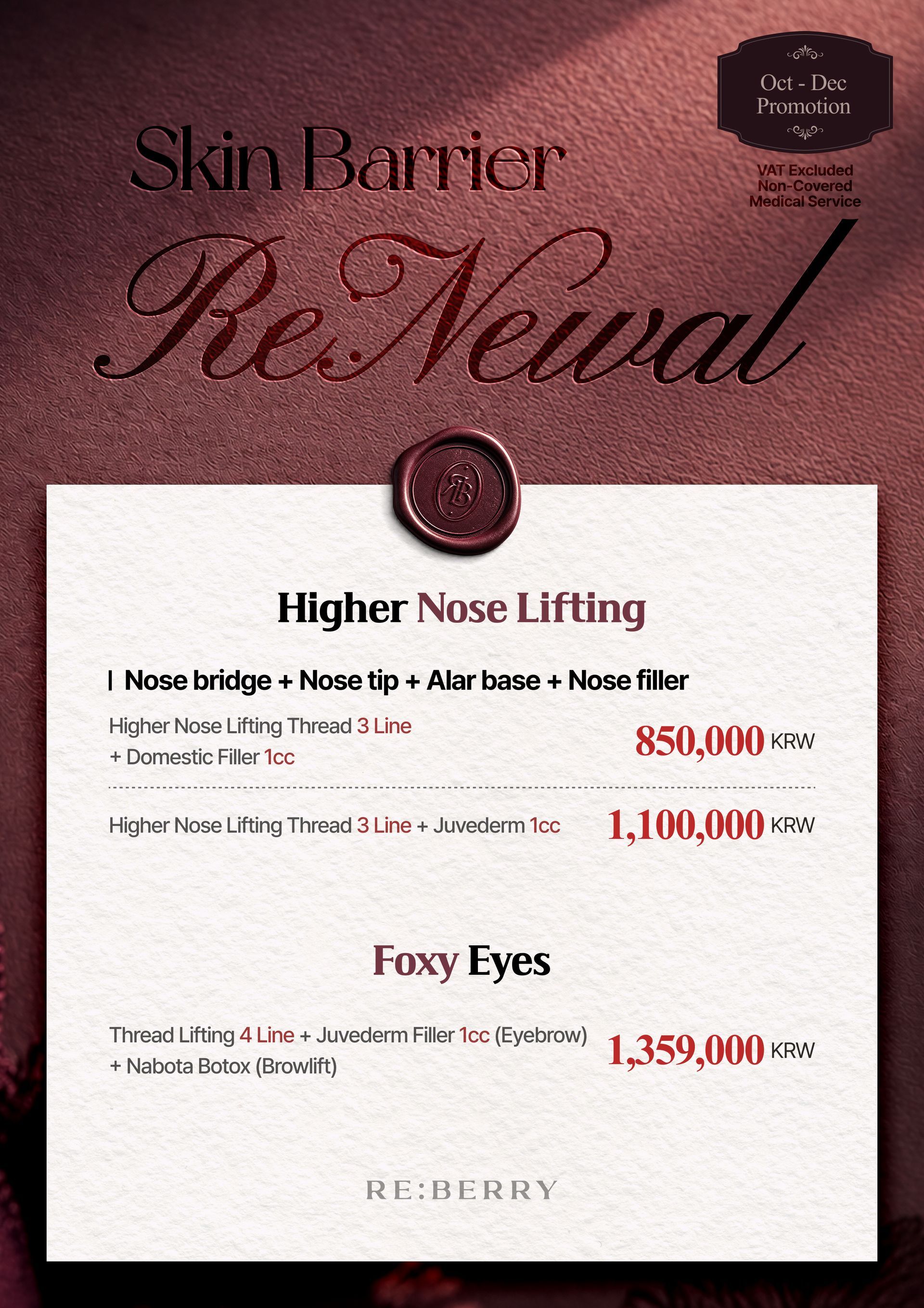
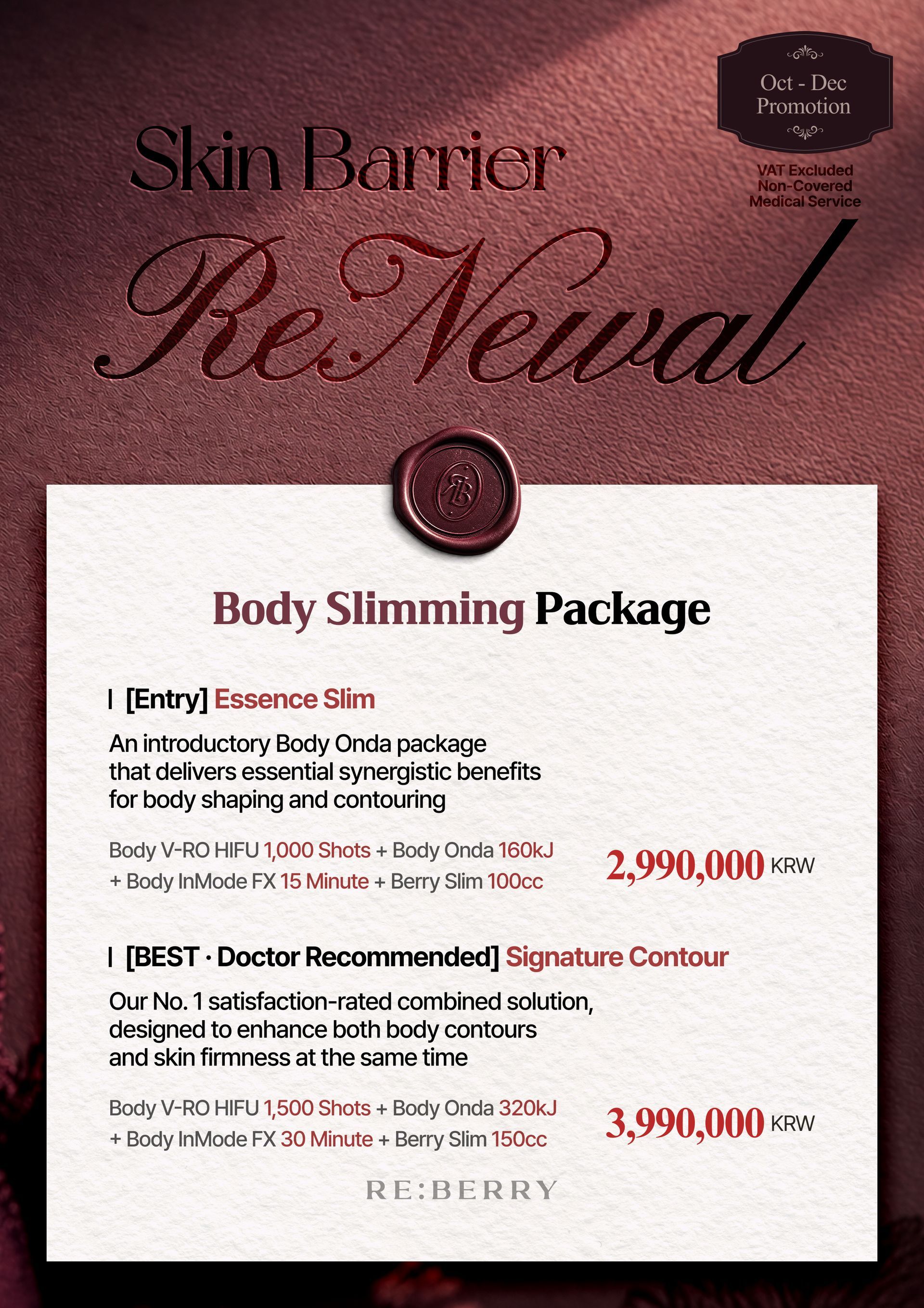
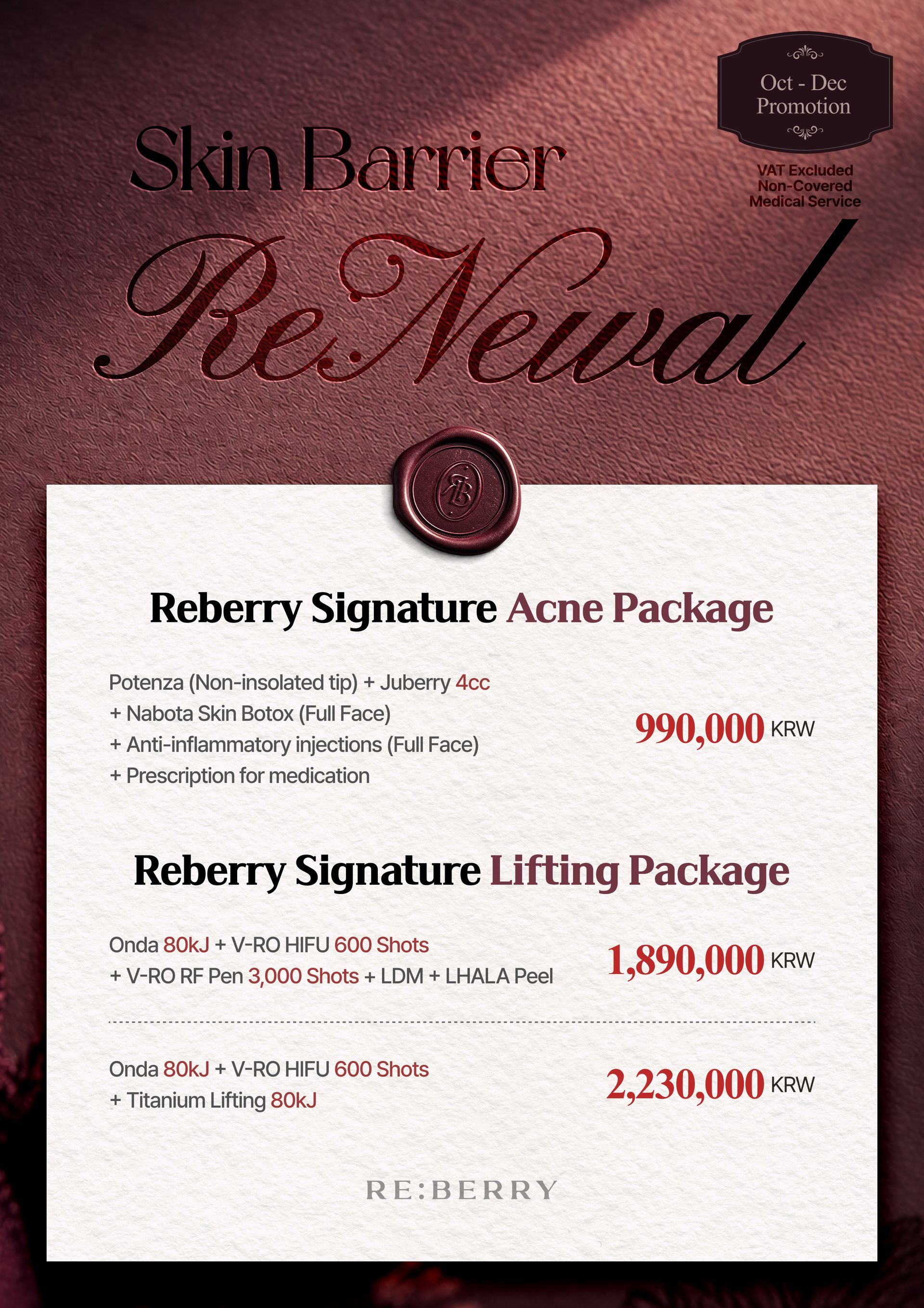
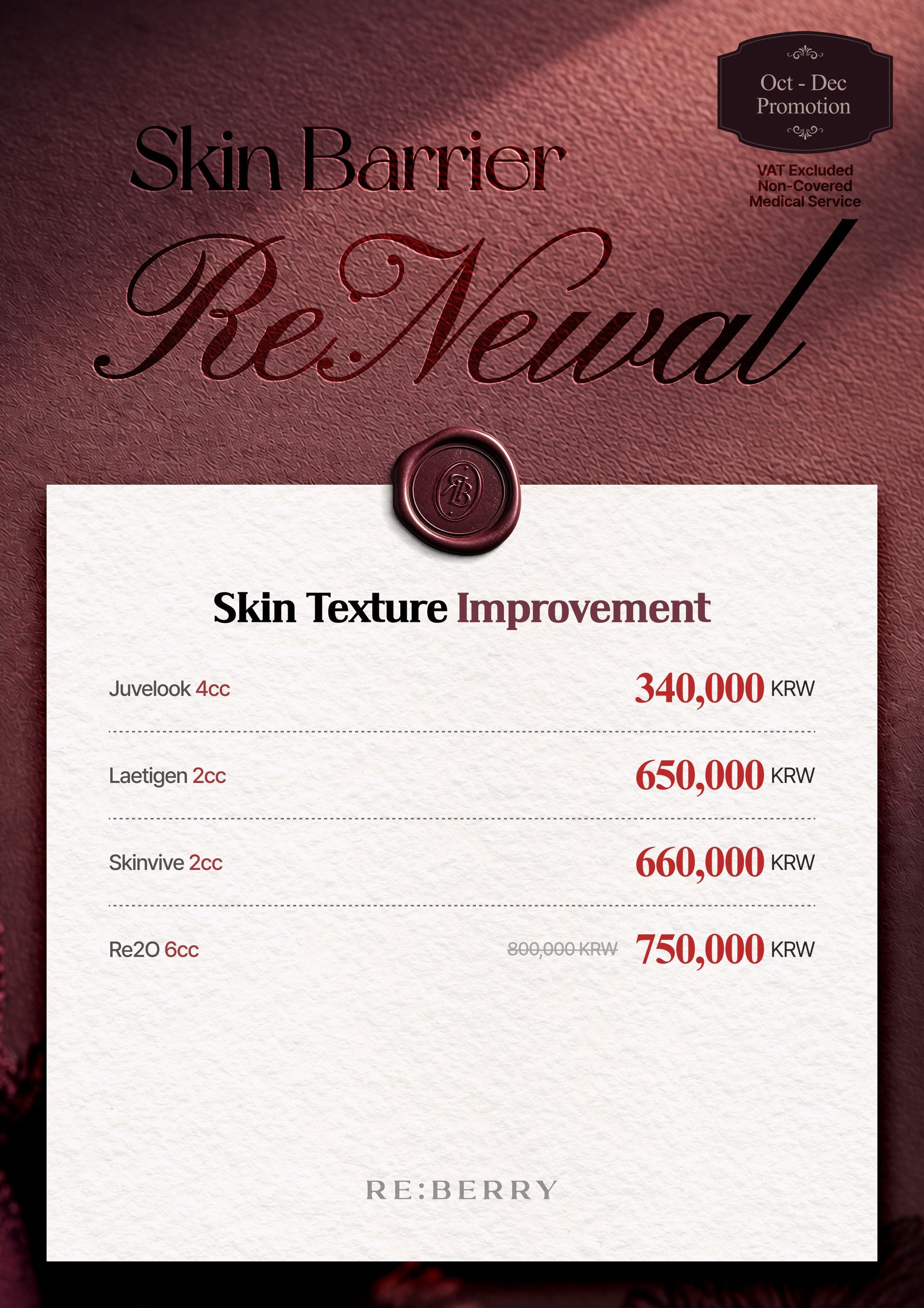
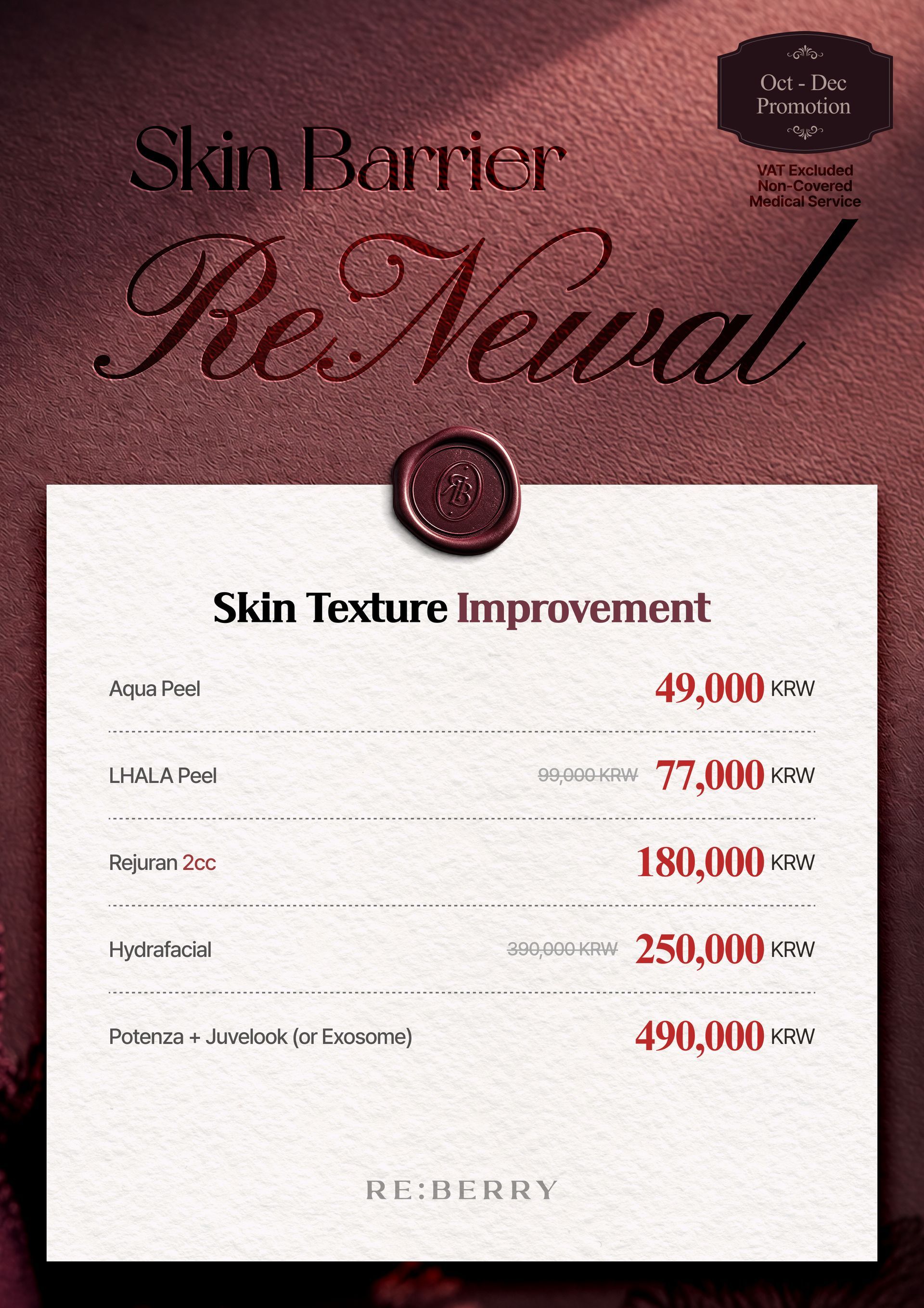
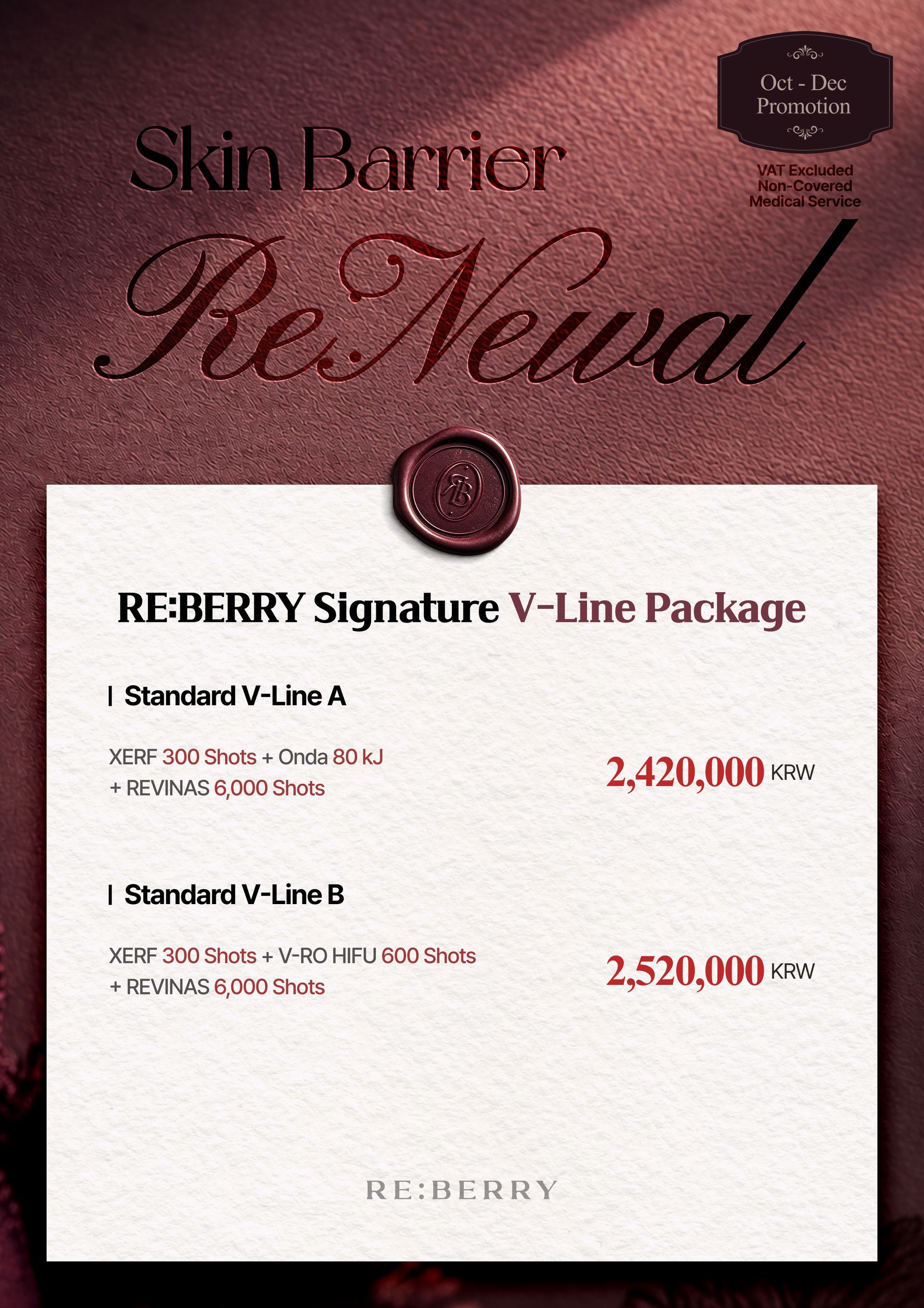
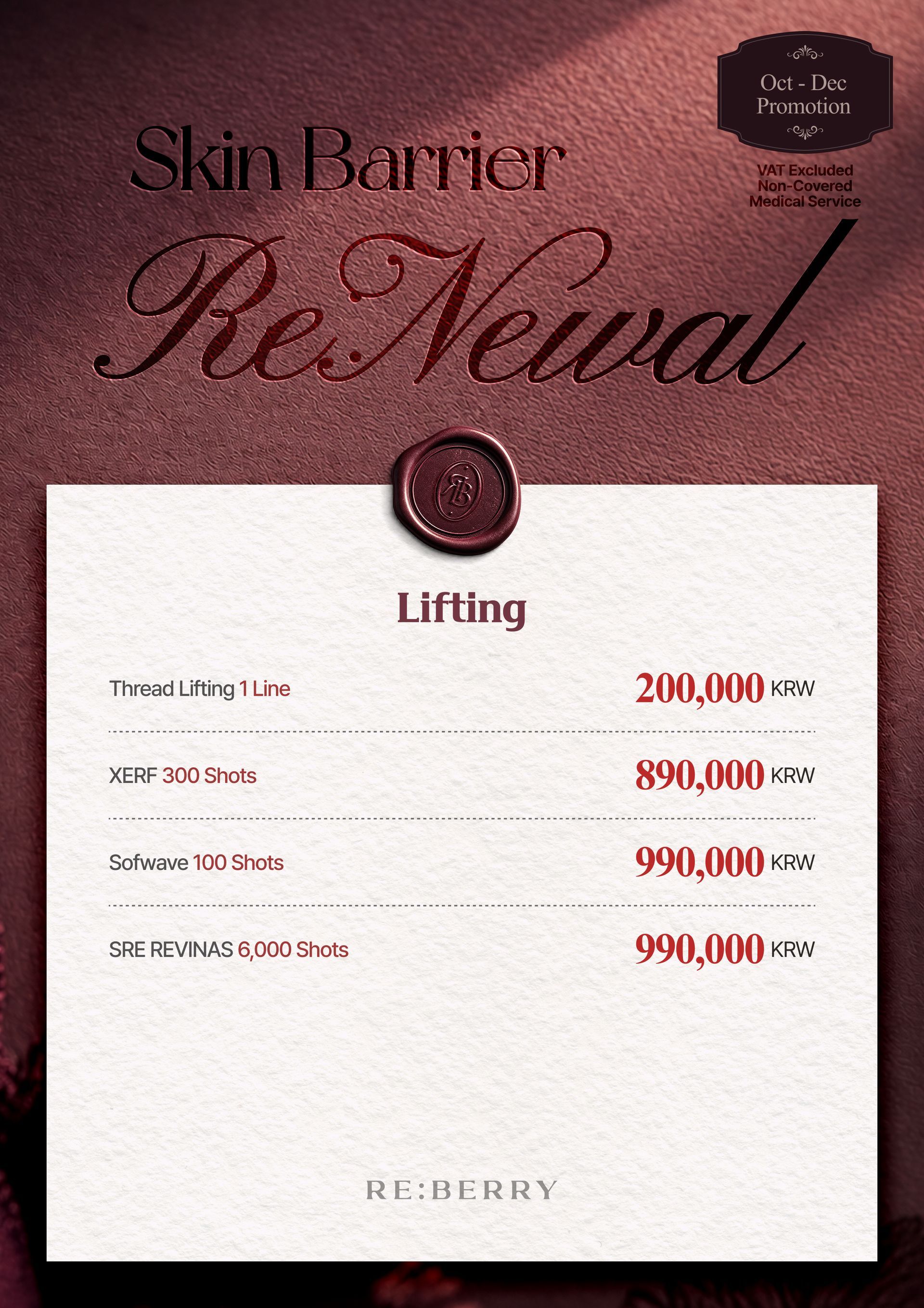
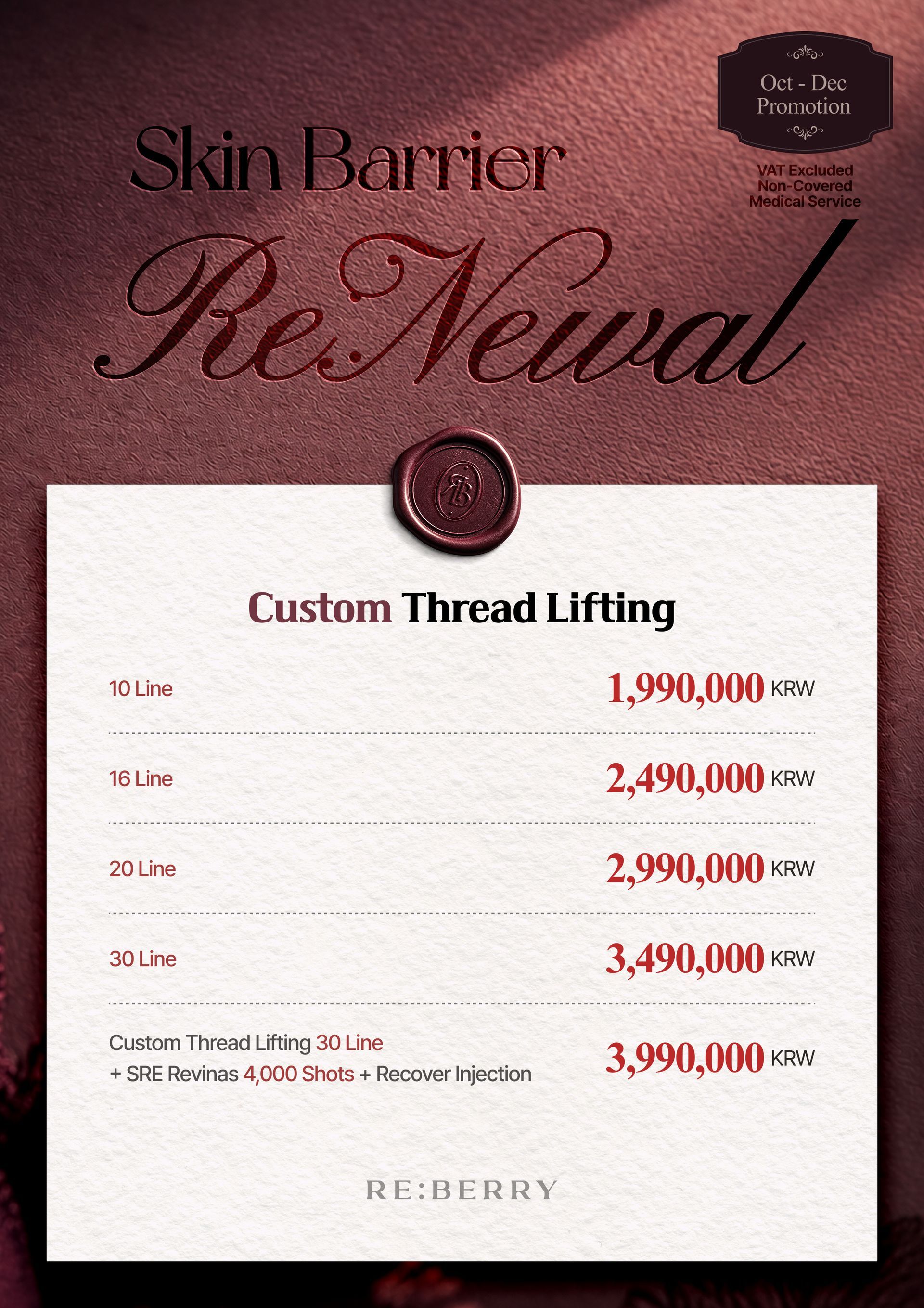
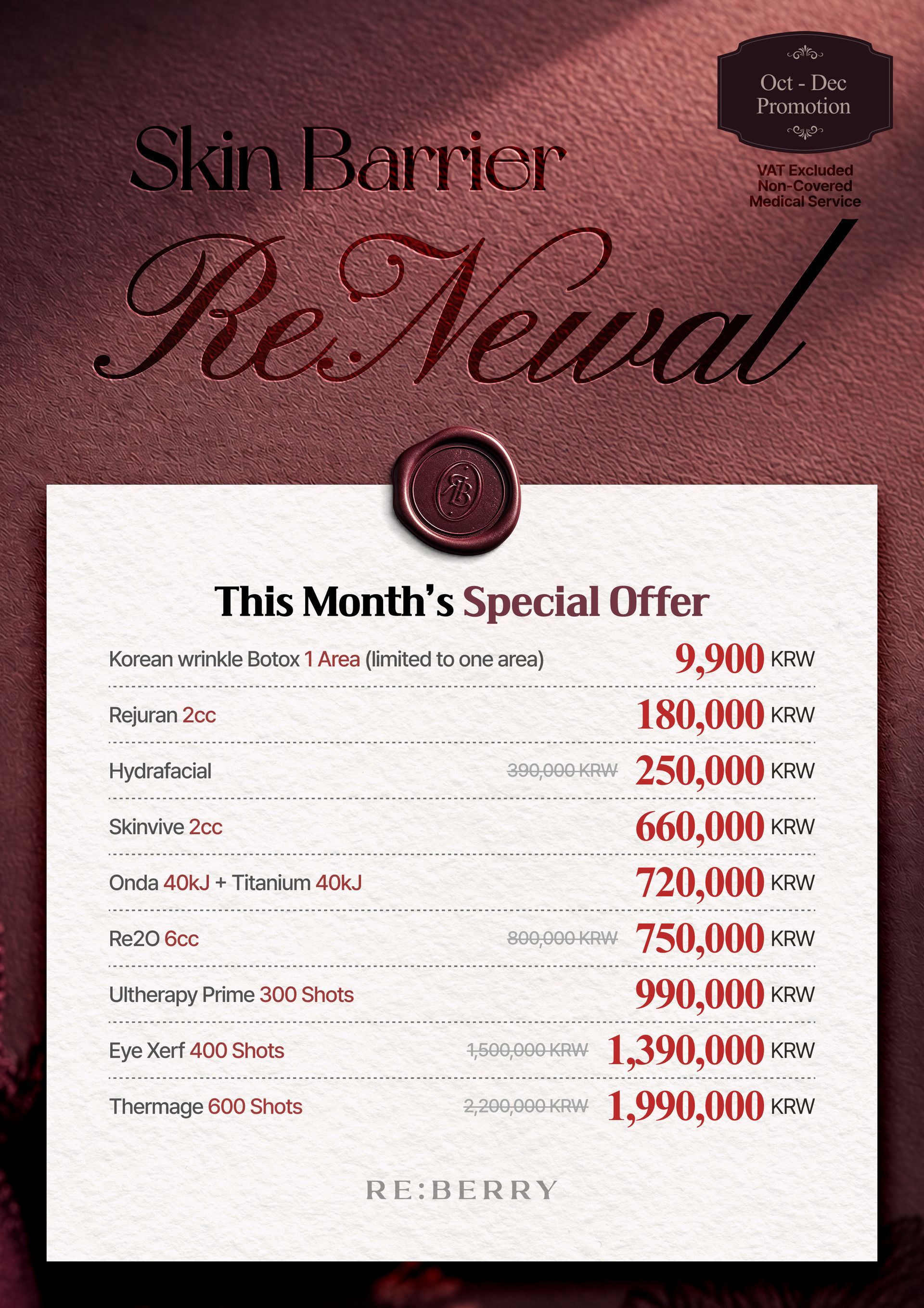
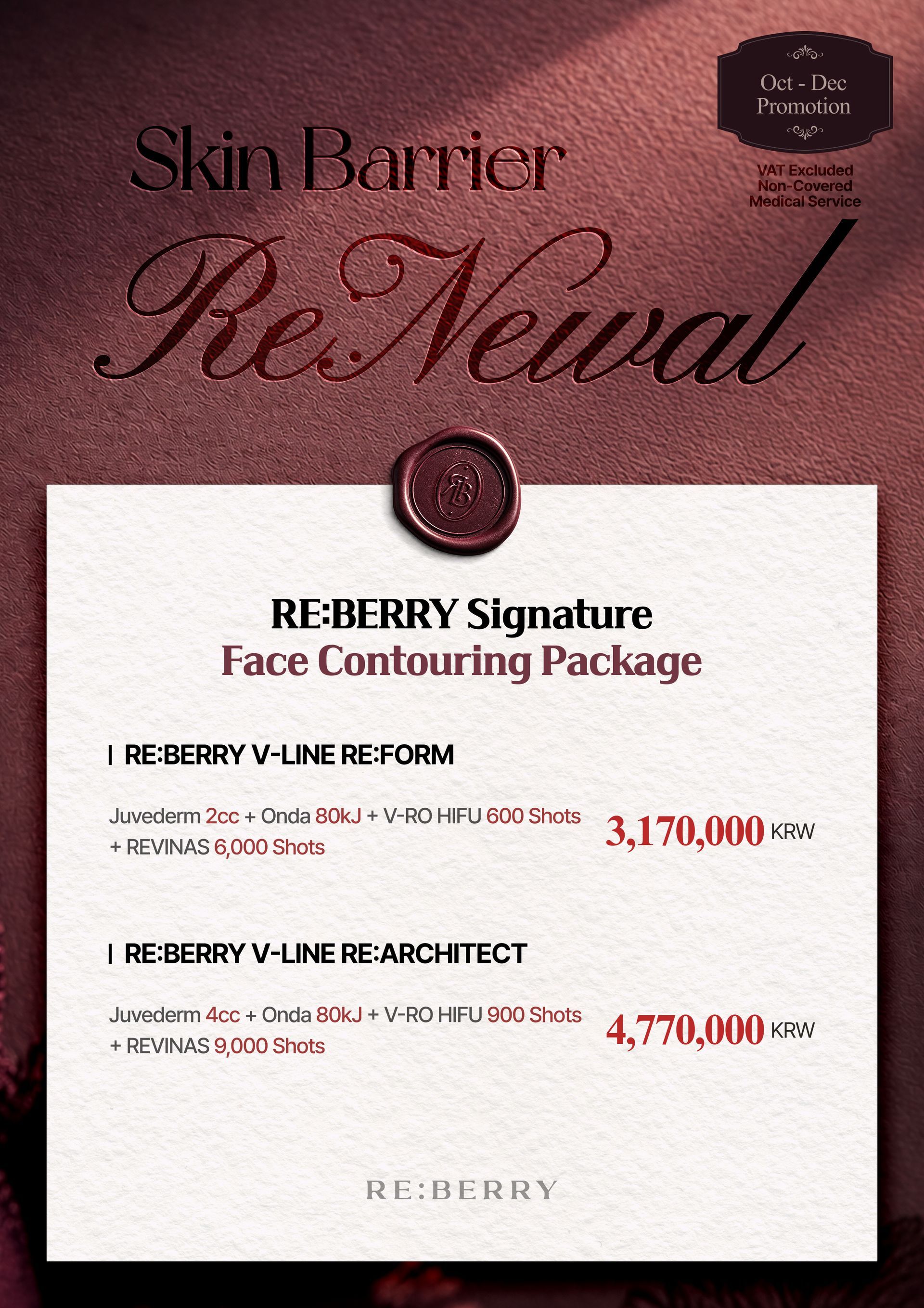
  • Based on recent guides, cost in Korea ranges ≈ ₩1,100,000 to ₩5,500,000 (Korean Won) depending on area treated, number of energy lines, clinic prestige.
  • For example: one clinic lists half-face 200 shots ~ ₩800,000; full face + neck up to ~ ₩2,000,000 in their scheme.
  • Lower end covers smaller zones (like under-chin or brow); higher end for full face + neck + premium settings.


  Why Seoul is a good destination for Ultherapy

  • Seoul clinics are very experienced in aesthetic medicine and non-surgical lifting, so you’ll find many options with up-to-date devices and skilled practitioners.
  • Many clinics cater to international patients, with English-speaking staff, online consultation options, and support for travellers. For example, one Seoul clinic emphasises no downtime and English support.
  • Because the device and technique matter a lot (branding, tip types, energy levels), you get access in Seoul to many clinics that explicitly mention the authentic Ultherapy system and imaging guidance.


  Suitable candidates & who may need caution

  Good candidate if:

  • You have mild-to-moderate skin laxity (jawline, neck, under chin).
  • You want non-surgical lift, minimal downtime.
  • You have relatively good skin elasticity (not extremely loose).
  • You are realistic about results (improvement, not a dramatic surgical facelift).

  Less ideal if:

  • You have very heavy sagging skin, large jowls, excess skin needing removal. In that case, surgical face/neck lift may be more appropriate.
  • You have very thin skin or certain underlying anatomy issues – practitioner must evaluate.
  • You expect instant dramatic change. The lift is moderate, and results build over time.


  Key questions to ask your clinic

  • Which version of Ultherapy device are you using (Ultherapy, Ultherapy Prime, etc)?
  • Will you be using real-time ultrasound imaging to guide the treatment and ensure correct depth?
  • How many “shots” or energy lines will you get, in which areas? What exactly is included in the quoted cost?
  • What downtime or after-care should I expect?
  • What results are realistic for my face shape/skin condition? Ask for similar before/afters.
  • What maintenance is recommended (if any), and what happens if I skip follow-up?
  • Is the practitioner a board-certified dermatologist or plastic surgeon with experience in Ultherapy?


  Tips to maximise your results

  • Protect your skin post-treatment: avoid heavy chemical peels or aggressive skincare for the recommended period.
  • Use good sun protection – UV damage impairs collagen and undermines lifting results.
  • Maintain skin health: hydration, sleep, nutrition all influence how good the collagen rebuild will be.
  • Consider combining with supportive treatments if needed (e.g., skin-boosters for texture, thread lift if more lift needed) but sequence appropriately.
  • Book at a time when you can allow a few months to see full effect (if you have a special event, plan ahead).