Skin Discoloration Treatments in Seoul, Korea
Gangnam Re:berry Clinic
Skin Discoloration Treatments in Seoul, Korea
Advanced Pigmentation Correction at RE:BERRY Clinic Gangnam
Skin Discoloration Treatments are designed to improve uneven skin tone, reduce dark spots, and restore a clearer, more balanced complexion. At RE:BERRY Clinic Gangnam, advanced dermatology technologies are used to safely target pigmentation concerns while supporting overall skin health.
Skin discoloration can be caused by sun exposure, hormonal changes, acne marks, or aging. With personalized treatment planning, patients can achieve brighter and more even-toned skin while maintaining a natural appearance.
Why Get Skin Discoloration Treatments in Gangnam?
Gangnam is widely known as Seoul’s center for advanced dermatology and aesthetic treatments. At RE:BERRY Clinic Gangnam, each treatment plan is customized based on skin type, pigmentation depth, and individual concerns.
The clinic offers:
- Advanced laser technologies for pigmentation correction
- Personalized skin consultation and diagnostic analysis
- Combination treatments for enhanced brightening results
- Foreigner-friendly service for international patients
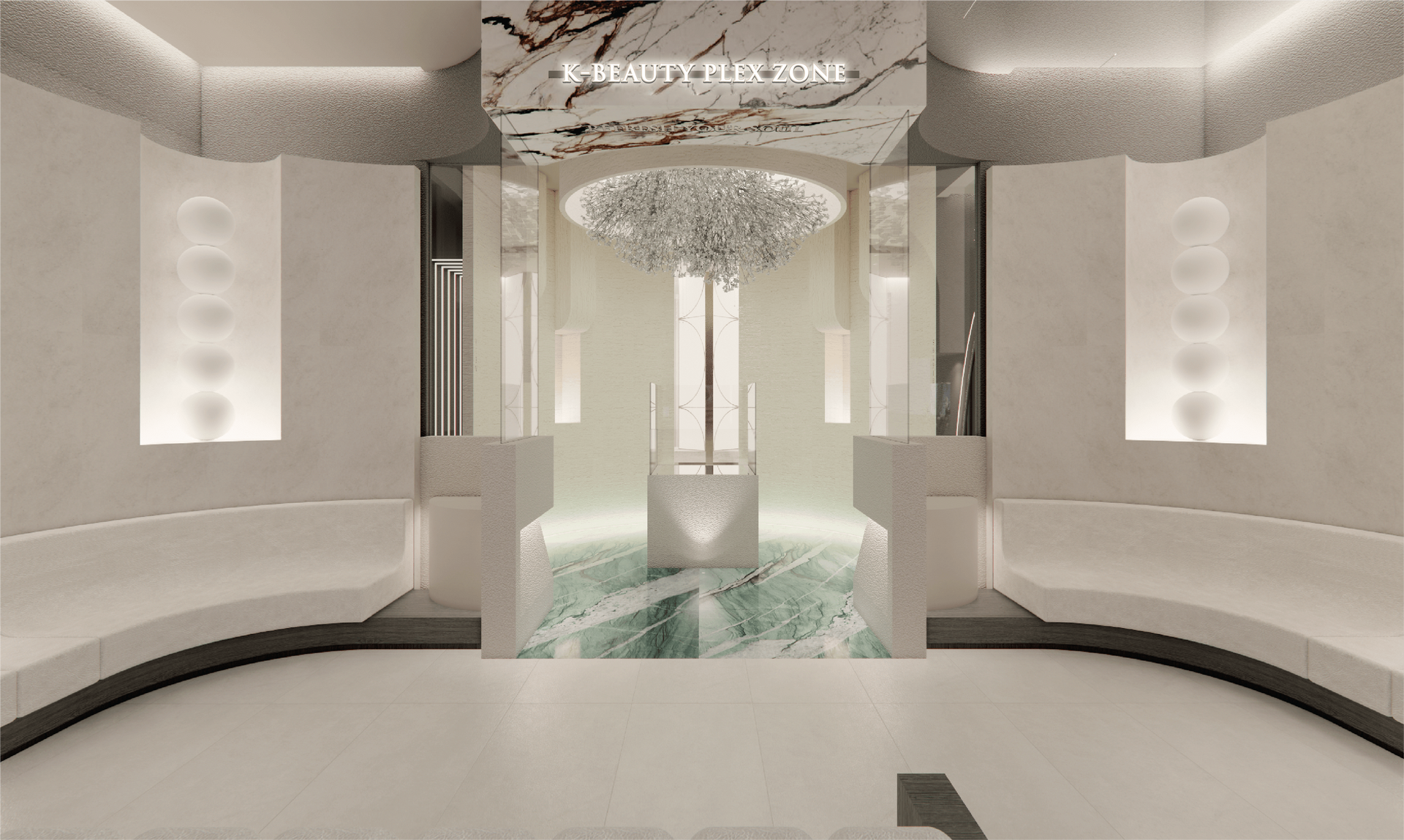
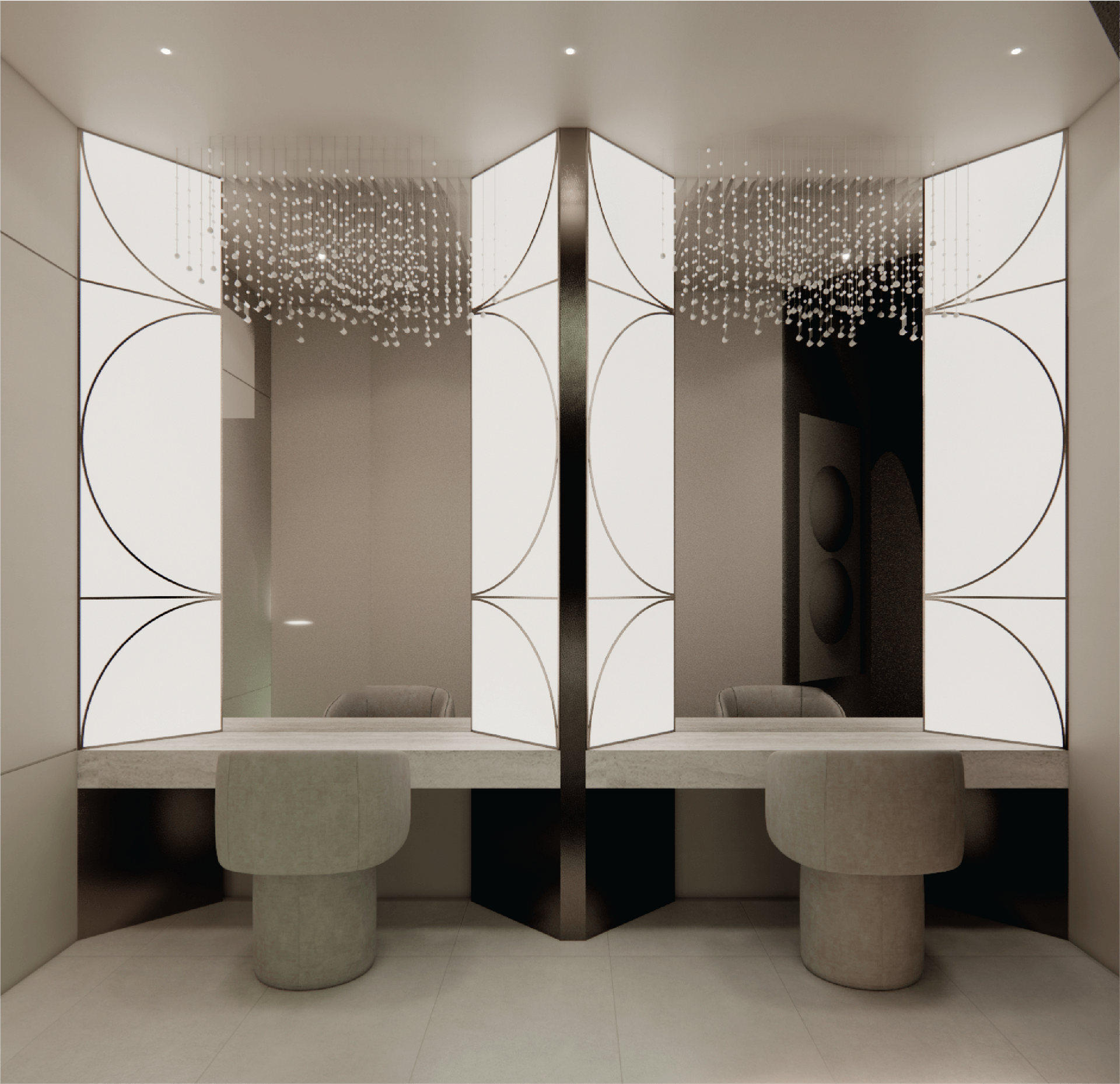
- Comfortable and professional treatment environment
Benefits of Skin Discoloration Treatments
Skin Discoloration Treatments at RE:BERRY Clinic help:
✔ Reduce sun spots and age spots
✔ Improve melasma and hormonal pigmentation
✔ Fade acne marks and post-inflammatory hyperpigmentation
✔ Brighten dull and uneven skin tone
✔ Promote clearer, more radiant skin
Multiple sessions may be recommended depending on the severity and depth of pigmentation.
What to Expect During Treatment
A typical Skin Discoloration Treatment session includes:
Treatment time: Approximately 20–40 minutes (depending on method)
Preparation: Cleansing and skin analysis
Procedure: Targeted laser or brightening therapy
Recovery: Mild redness or warmth for several hours
After treatment, patients are advised to:
- Apply daily sunscreen (SPF 30 or higher)
- Avoid excessive sun exposure
- Maintain gentle skincare to support healing
Skin Discoloration Treatments at RE:BERRY Clinic Gangnam
At RE:BERRY Clinic, Skin Discoloration Treatments are designed to safely and effectively correct pigmentation through personalized dermatology care and advanced technology.
Whether you are visiting Seoul or living in Korea, RE:BERRY Clinic provides a premium, foreigner-friendly pigmentation treatment experience in Gangnam.
📍 RE:BERRY Clinic Gangnam, Seoul
💌 Book your consultation for personalized Skin Discoloration Treatment