Dermal Fillers in Seoul, Korea
Gangnam Re:berry Clinic
Dermal Fillers in Seoul, Korea
Comprehensive Facial Volume & Contour Enhancement at RE:BERRY Clinic Gangnam
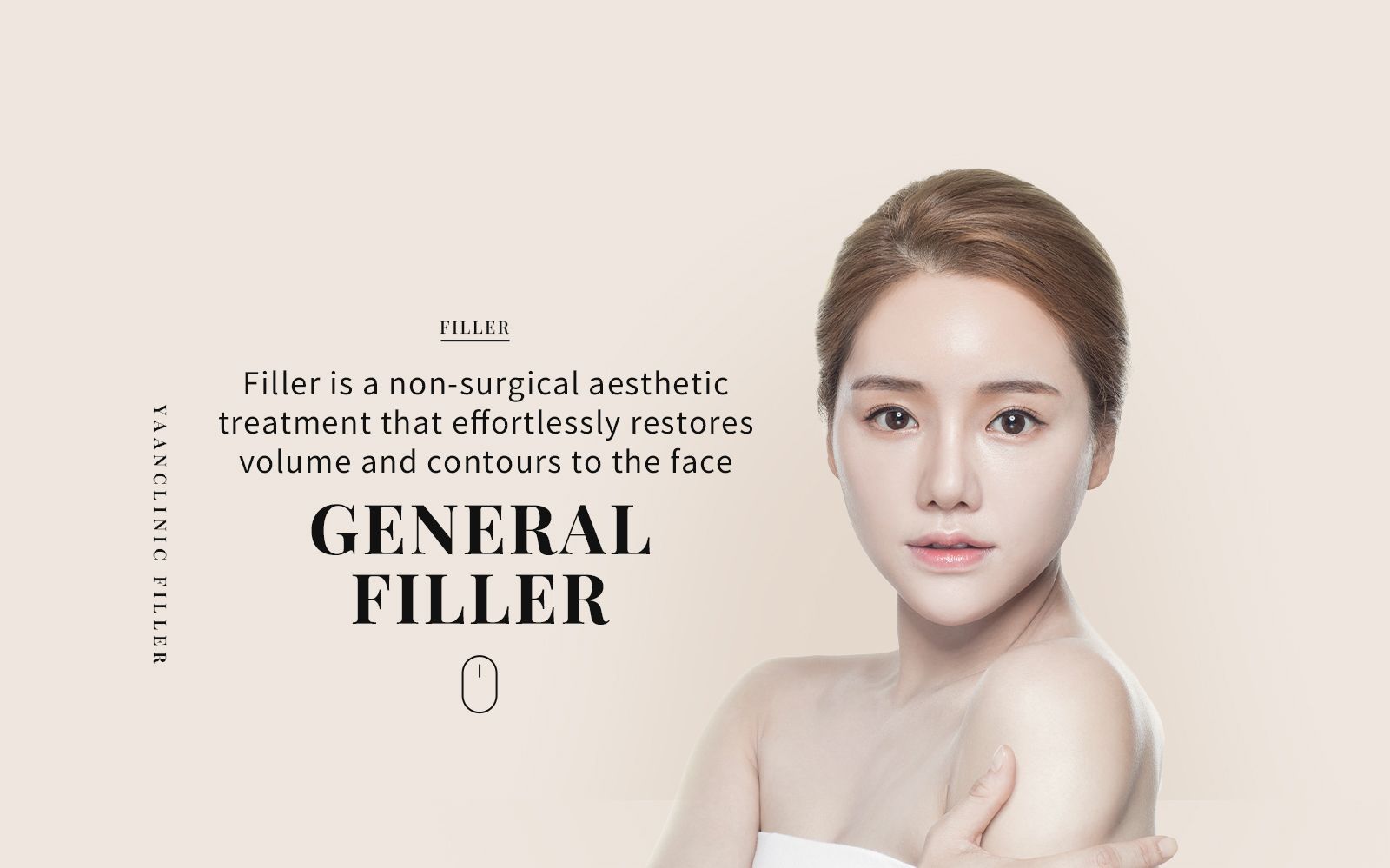
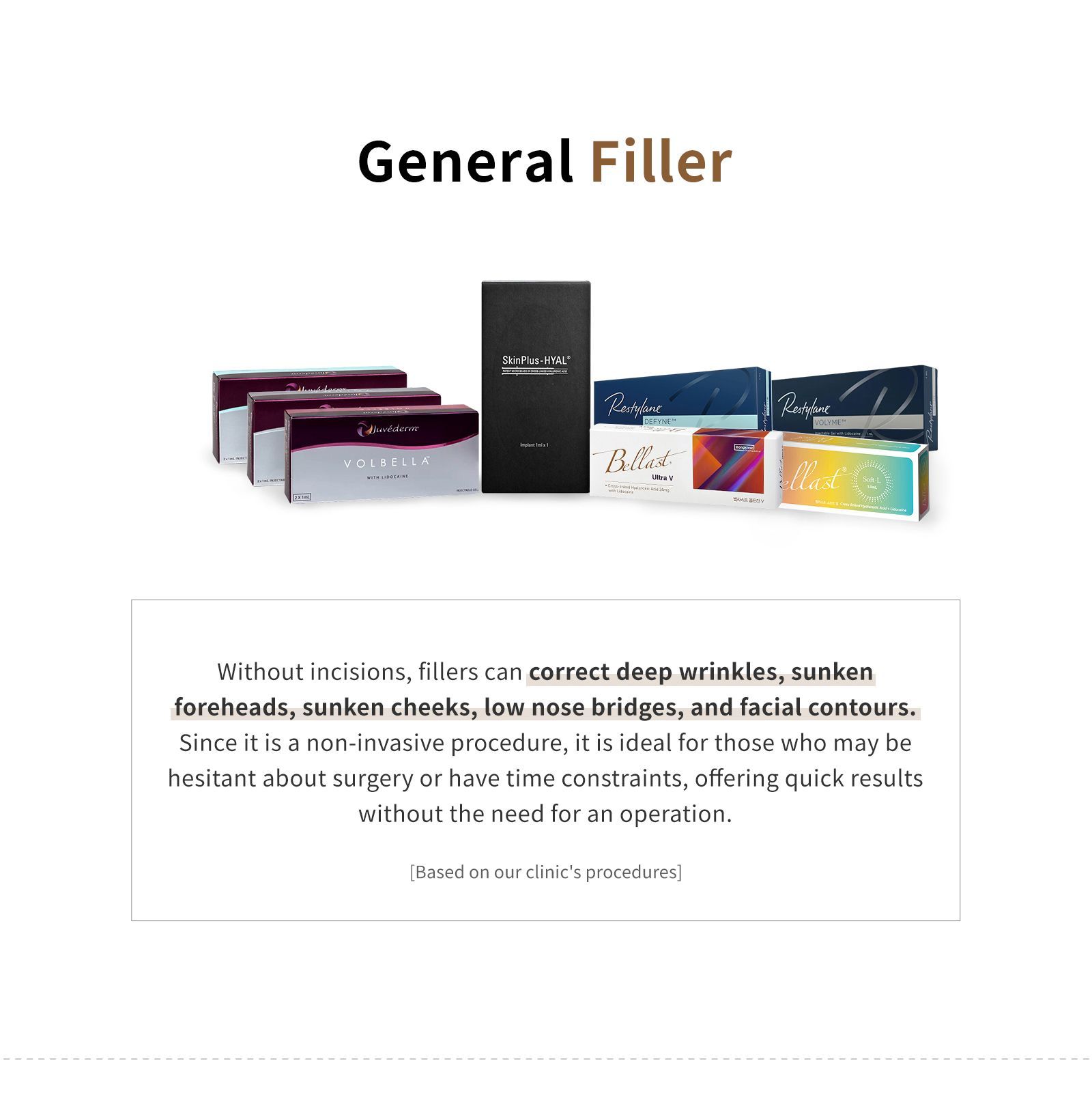
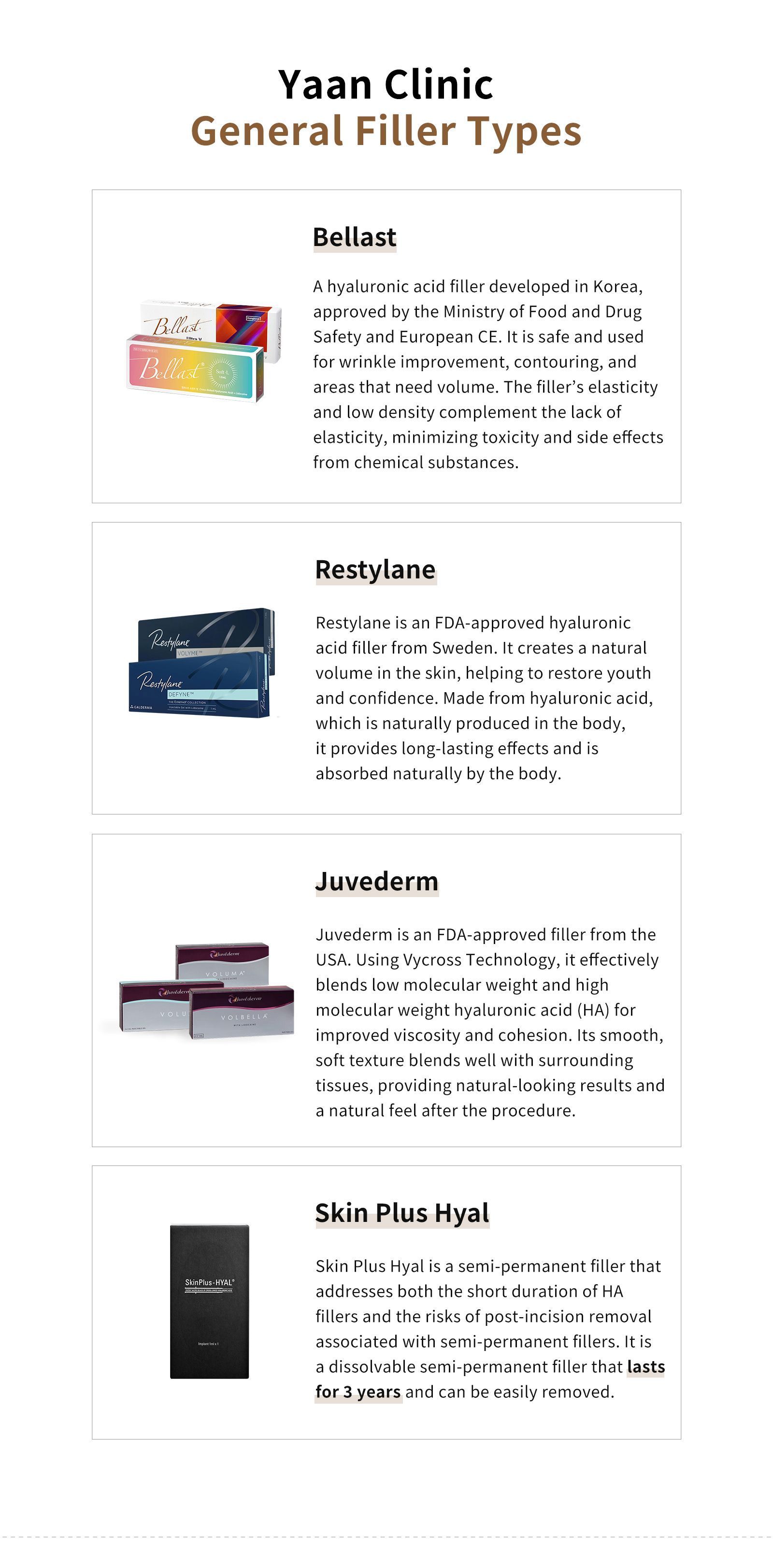
Dermal Fillers are non-surgical injectable treatments designed to restore facial volume, smooth wrinkles, and enhance natural contours. At RE:BERRY Clinic Gangnam, dermal filler treatments are carefully customized to address each patient’s unique facial structure and aesthetic goals, creating balanced, youthful, and natural-looking results.
Using high-quality hyaluronic acid-based or collagen-stimulating fillers, this treatment helps soften fine lines, lift sagging areas, and improve overall skin texture without the need for surgery.
Why Get Dermal Fillers in Gangnam?
Gangnam is widely known as Seoul’s center for advanced dermatology and aesthetic treatments. At RE:BERRY Clinic Gangnam, patients receive personalized dermal filler treatments based on facial anatomy, volume loss, and individual cosmetic goals.
The clinic offers:
- Precise injection techniques for facial rejuvenation
- Personalized facial contour and symmetry analysis
- Natural-volume restoration planning
- Foreigner-friendly service for international patients
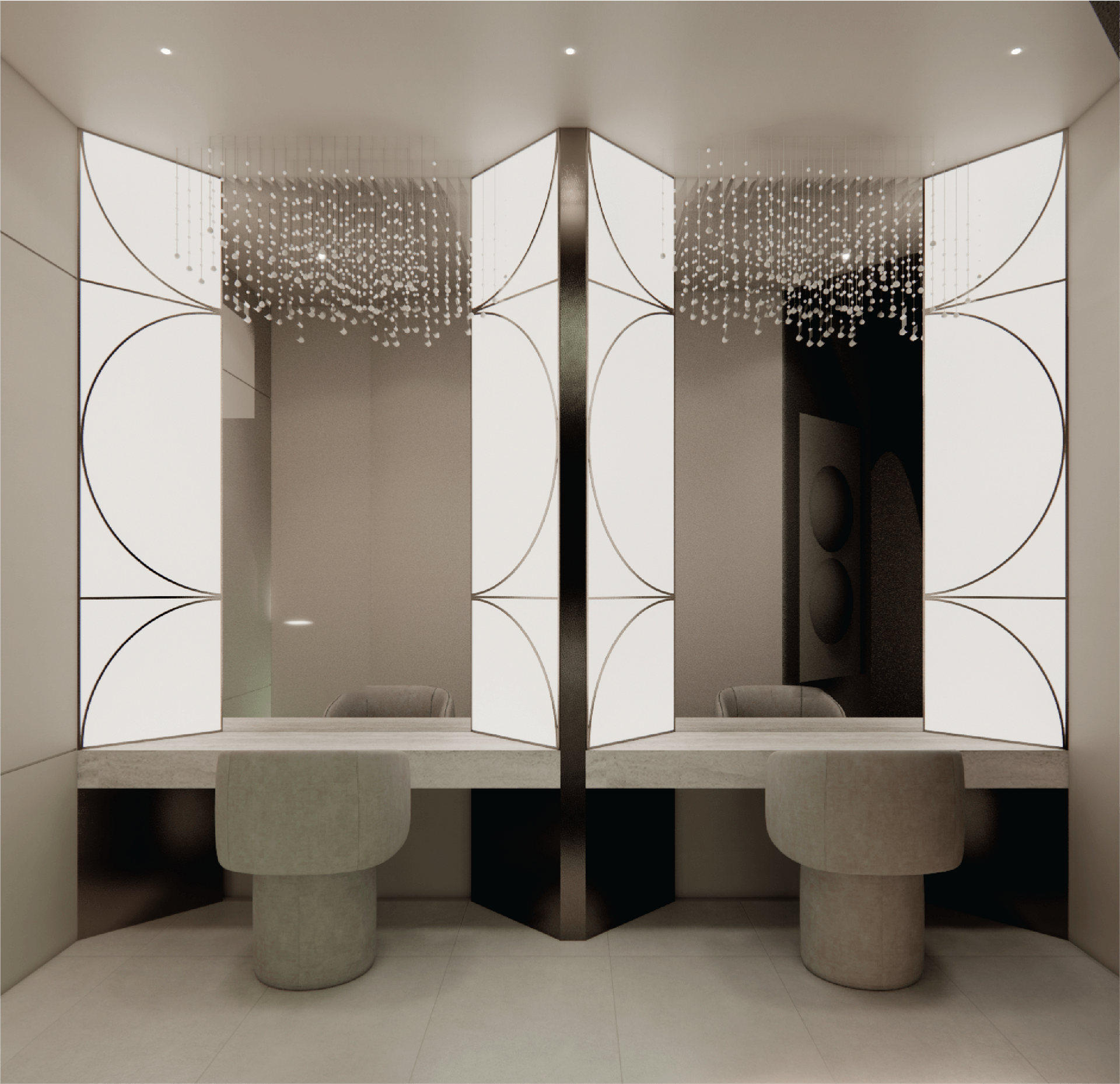
- Comfortable and professional treatment environment
Benefits of Dermal Fillers
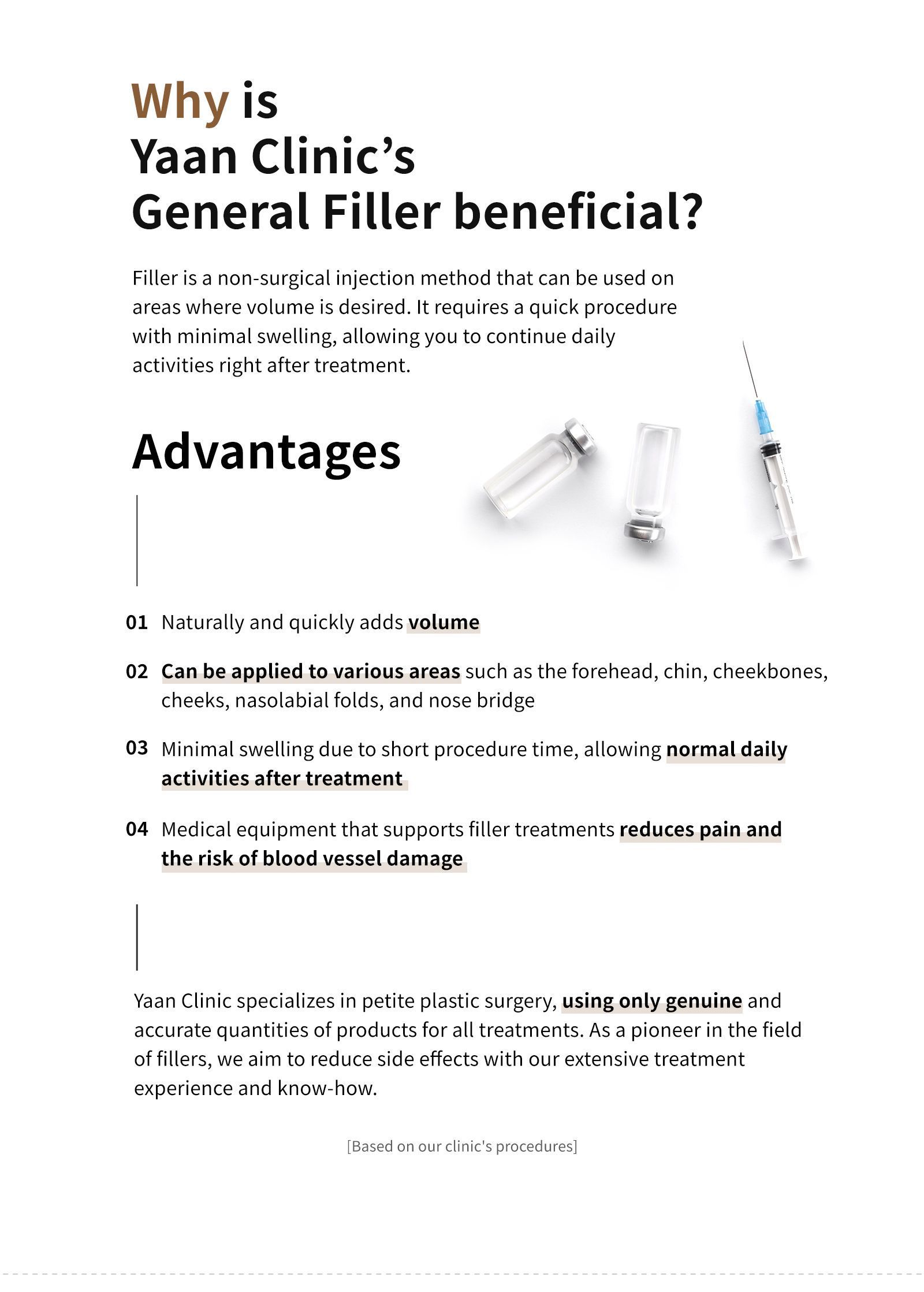
Dermal filler treatments at RE:BERRY Clinic help:
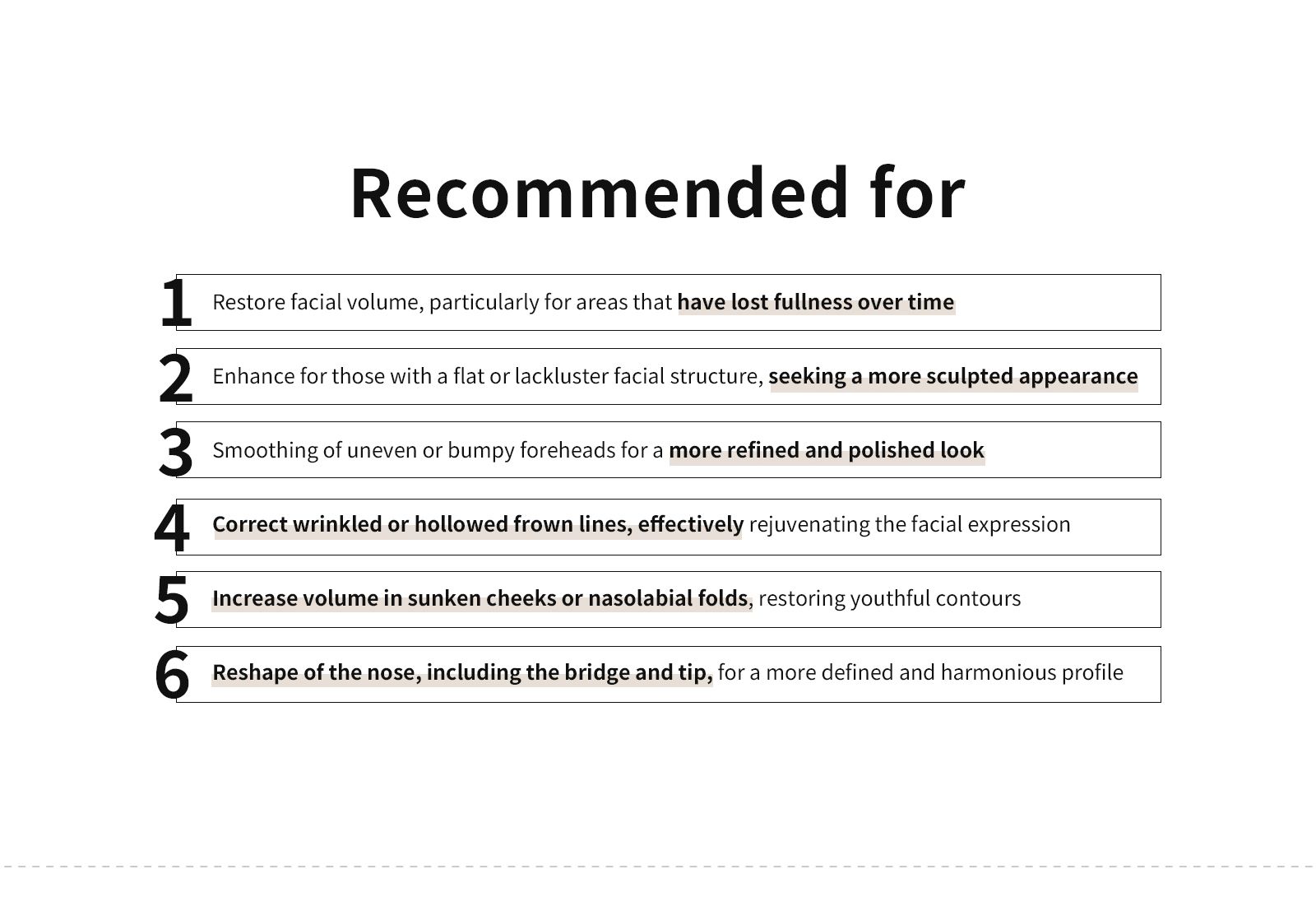
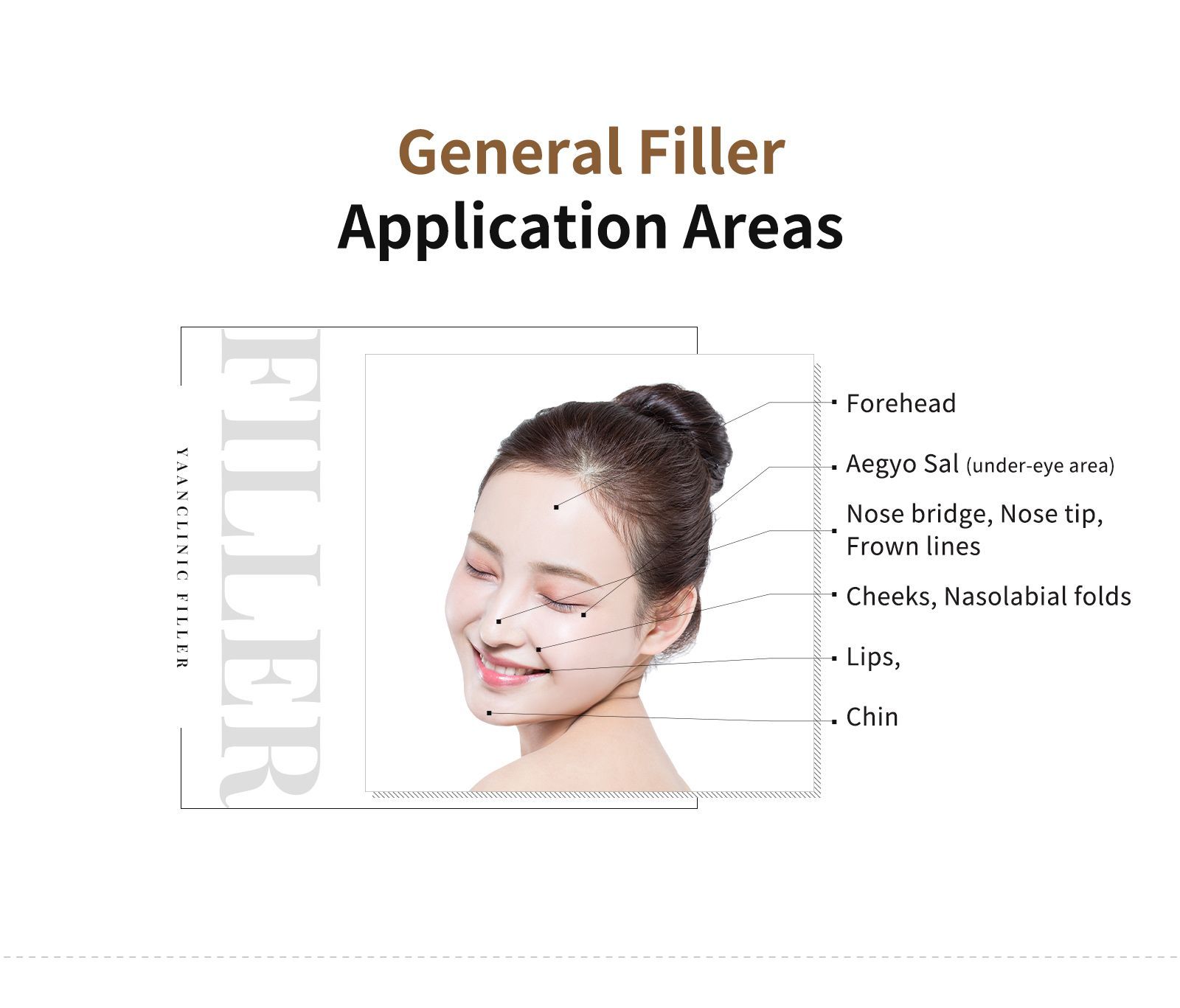
✔ Restore facial volume in cheeks, jawline, or temples
✔ Smooth fine lines and wrinkles
✔ Enhance natural facial contours
✔ Improve overall symmetry and balance
✔ Deliver immediate and natural-looking results
What to Expect During Treatment
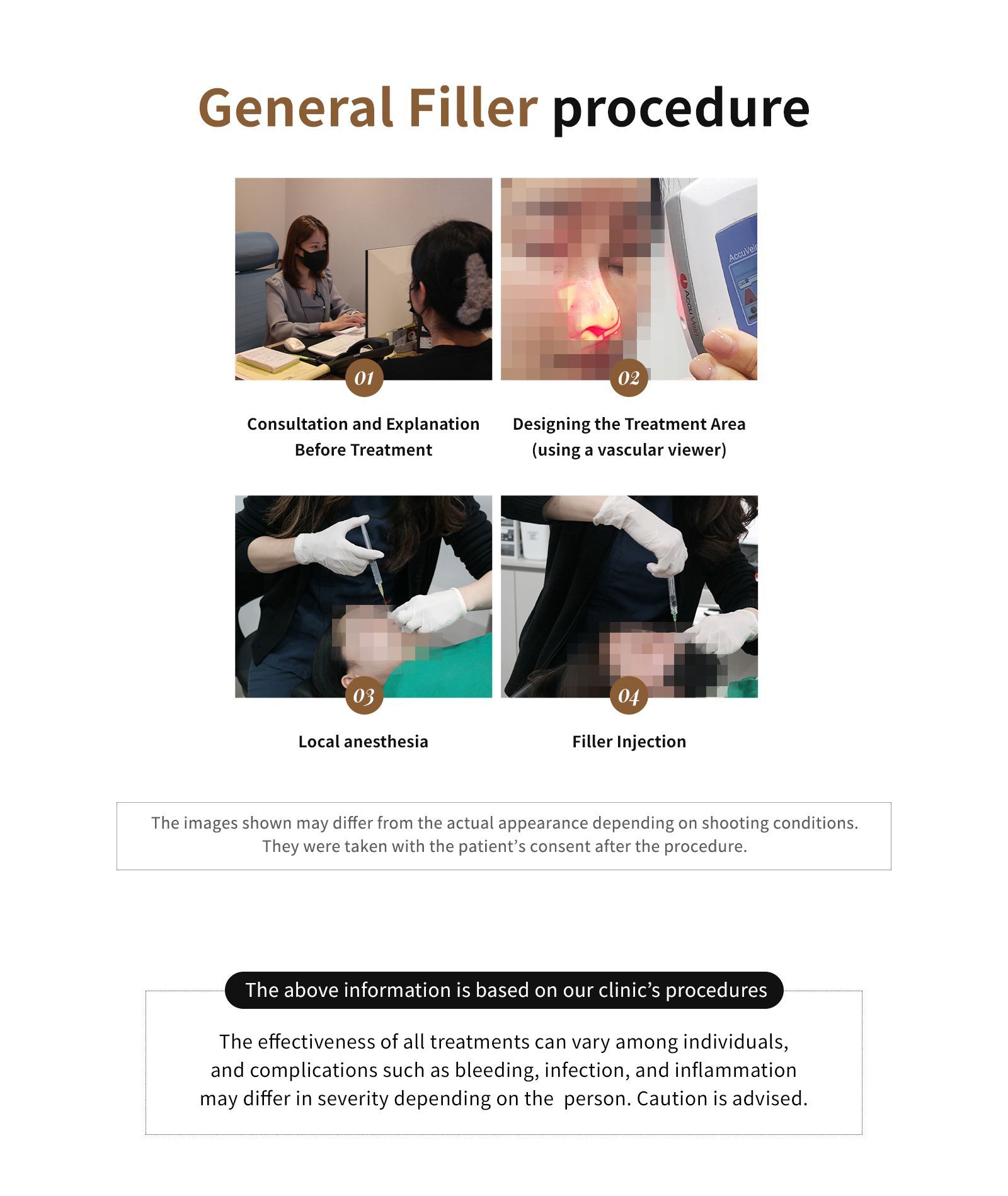
A typical dermal filler session includes:
Treatment time: Approximately 20–40 minutes
Preparation: Cleansing and optional numbing
Recovery: Mild swelling or bruising may occur for a few days
Treatment plan: Results typically last several months to over a year depending on filler type and treated areas
After treatment, patients are advised to avoid excessive pressure on treated areas and follow post-care instructions to maintain optimal results.
Dermal Fillers at RE:BERRY Clinic Gangnam
At RE:BERRY Clinic, dermal filler treatments are designed to rejuvenate and enhance facial features safely and effectively through careful assessment and precise injection techniques.
Whether you are visiting Seoul or living in Korea, RE:BERRY Clinic provides a premium, foreigner-friendly facial contouring experience in Gangnam.
📍 RE:BERRY Clinic Gangnam, Seoul
💌 Book your consultation for personalized dermal filler treatment
Dermal Fillers in Gangnam | RE:BERRY Clinic