Migraine Botox in Seoul, Korea
Gangnam Re:berry Clinic
Migraine Botox in Seoul, Korea
Chronic Migraine Relief Treatment at RE:BERRY Clinic Gangnam
Migraine Botox is a non-surgical treatment designed to help reduce the frequency and severity of chronic migraine headaches. At RE:BERRY Clinic Gangnam, this procedure is carefully performed to target specific muscle and nerve trigger points associated with migraine pain.
By injecting small, controlled amounts of botulinum toxin into designated areas of the head and neck, Migraine Botox helps relax muscle tension and block pain signal transmission, providing long-term headache management support.
Why Get Migraine Botox in Gangnam?
Gangnam is widely known as Seoul’s center for advanced medical and aesthetic treatments. At RE:BERRY Clinic Gangnam, patients receive personalized Migraine Botox plans based on headache patterns, trigger points, and overall health assessment.
The clinic offers:
- Targeted head and neck injection techniques
- Muscle tension and trigger point analysis
- Personalized treatment planning
- Foreigner-friendly service for international patients
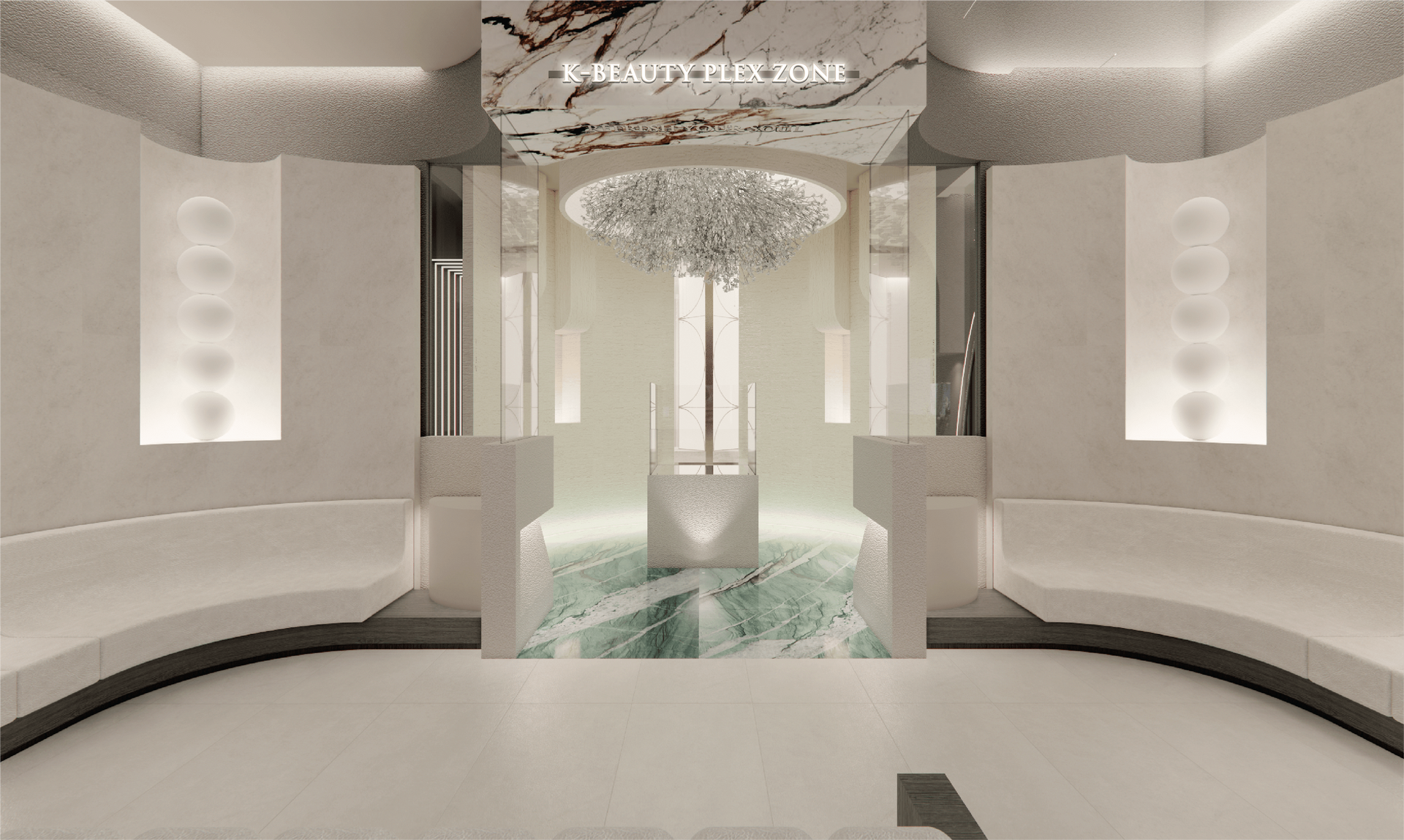
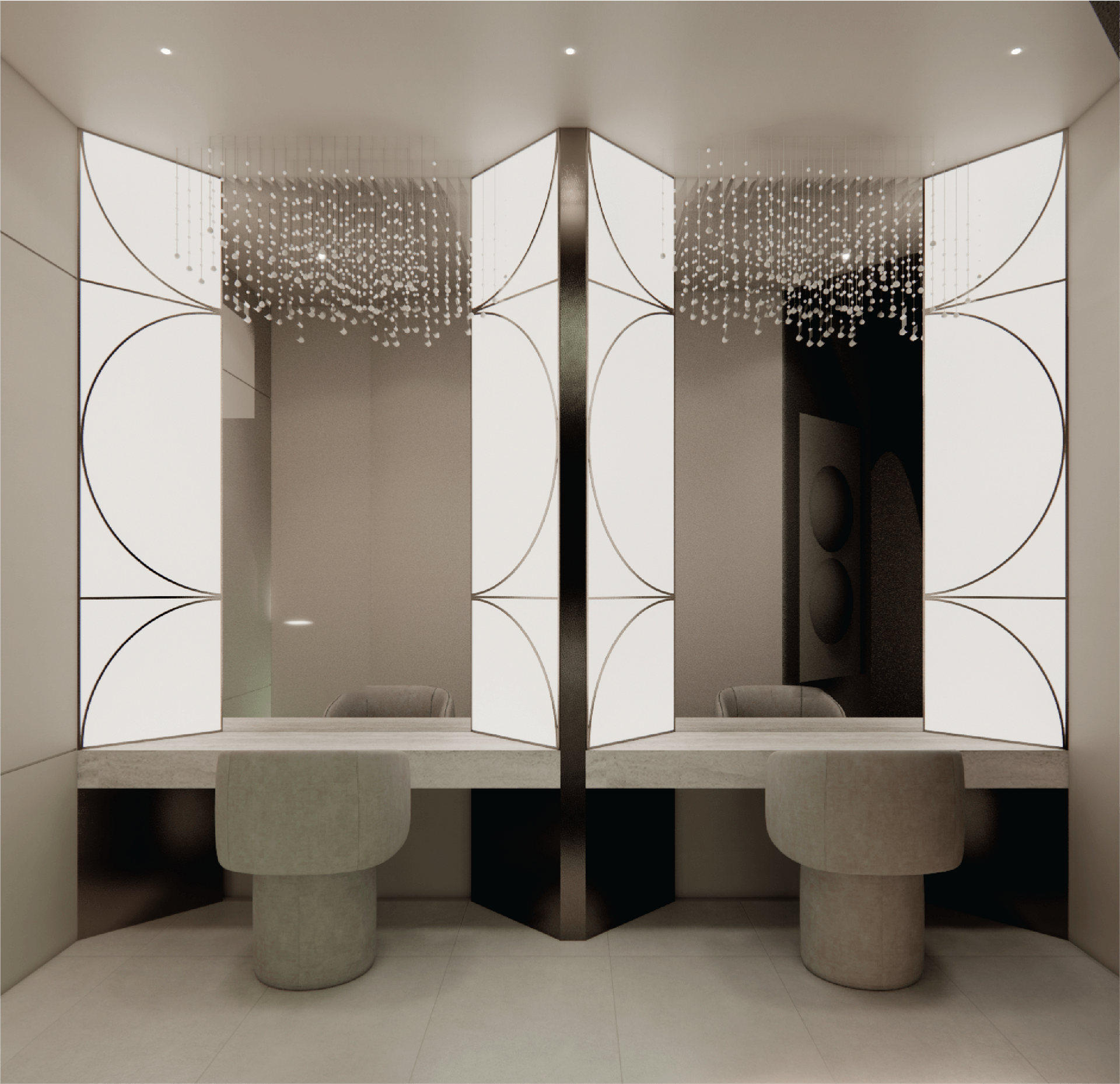
- Comfortable and professional treatment environment
Benefits of Migraine Botox
Migraine Botox at RE:BERRY Clinic helps:
✔ Reduce frequency of chronic migraines
✔ Decrease headache severity
✔ Relieve muscle tension in head and neck
✔ Improve daily comfort and productivity
✔ Provide long-lasting preventative support
Results typically develop gradually over several weeks, with treatments often recommended at regular intervals for sustained relief.
What to Expect During Treatment
A typical Migraine Botox session includes:
Treatment time: Approximately 20–30 minutes
Preparation: Cleansing of injection areas
Procedure: Multiple small injections in targeted head and neck regions
Recovery: Minimal downtime; mild soreness may occur
Treatment plan: Maintenance sessions typically recommended every few months
Patients are advised to follow post-care instructions and monitor headache patterns after treatment for optimal management.
Migraine Botox at RE:BERRY Clinic Gangnam
At RE:BERRY Clinic, Migraine Botox treatments are performed with precision to support safe and effective migraine management. Each treatment plan is tailored to reduce headache burden while prioritizing patient comfort and safety.
Whether you are visiting Seoul or living in Korea, RE:BERRY Clinic provides a premium, foreigner-friendly migraine treatment experience in Gangnam.
📍 RE:BERRY Clinic Gangnam, Seoul
💌 Book your consultation for personalized Migraine Botox treatment