Sagging Jowls in Your 40s: Which Korean Treatments Actually Lift Them?

Short answer: In your 40s, early to moderate jowls usually respond best to a combination approach. Focused ultrasound (such as Ultherapy) tightens the deeper SMAS layer, radiofrequency (such as Thermage FLX) firms the skin, and thread lifts give a more immediate mechanical lift. Fillers along the jawline and cheeks can restore support that has been lost. No single treatment suits everyone, and heavy jowls with excess skin may need surgery to look truly lifted.
Why do jowls appear in your 40s?
Jowls form when tissue along the lower face slides down below the jawline. In the 40s, several changes tend to come together:
- Collagen and elastin decline, so skin becomes thinner and less springy.
- Fat pads shift and shrink, especially in the mid-face, so the cheeks lose support and tissue drifts downwards.
- Ligaments loosen, allowing the soft tissue to sag around the jaw.
- Bone changes gradually reduce jaw and chin projection, making the jawline less defined.
Because jowls are caused by more than just loose skin, treating only the skin often gives a disappointing result. A good plan considers support, volume and skin quality together.
Which treatments actually lift jowls?
| Treatment | What it does | Best for | Results appear | Typical duration |
|---|---|---|---|---|
| HIFU (Ultherapy, Shurink) | Heats the SMAS and deep dermis to tighten | Mild to moderate jowls | Gradually over two to six months | Around one year |
| Radiofrequency (Thermage FLX) | Heats deep dermis to firm and smooth | Skin laxity and texture | Gradually over two to six months | One to two years |
| Thread lift (PDO, Mint) | Barbed threads physically reposition tissue | Moderate jowls needing a visible lift | Immediately, refining over weeks | Around 12 to 18 months |
| Fillers (cheek, jawline, chin) | Restore volume and structural support | Volume loss, weak jawline | Immediately | Around 9 to 18 months, product dependent |
| Collagen stimulators (Sculptra, Juvelook) | Gradual collagen and volume build-up | Thinning skin, mild hollowing | Gradually over months | Often longer than HA fillers |
Durations vary with age, skin and lifestyle. Treat them as general ranges, not guarantees.
Focused ultrasound: the foundation for many plans
Ultrasound lifting reaches the SMAS, the same layer tightened in a surgical facelift. For early jowls, it is often the first treatment doctors suggest because it addresses depth rather than surface. The lift is modest but natural, and builds as new collagen forms. A detailed guide to Ultherapy in Seoul explains how sessions are planned for the jawline.
In people who already have a thin face, deep heating in some areas can reduce fullness. Doctors usually adjust depths or add volume to avoid a hollow look.
Thread lifts: a more immediate change
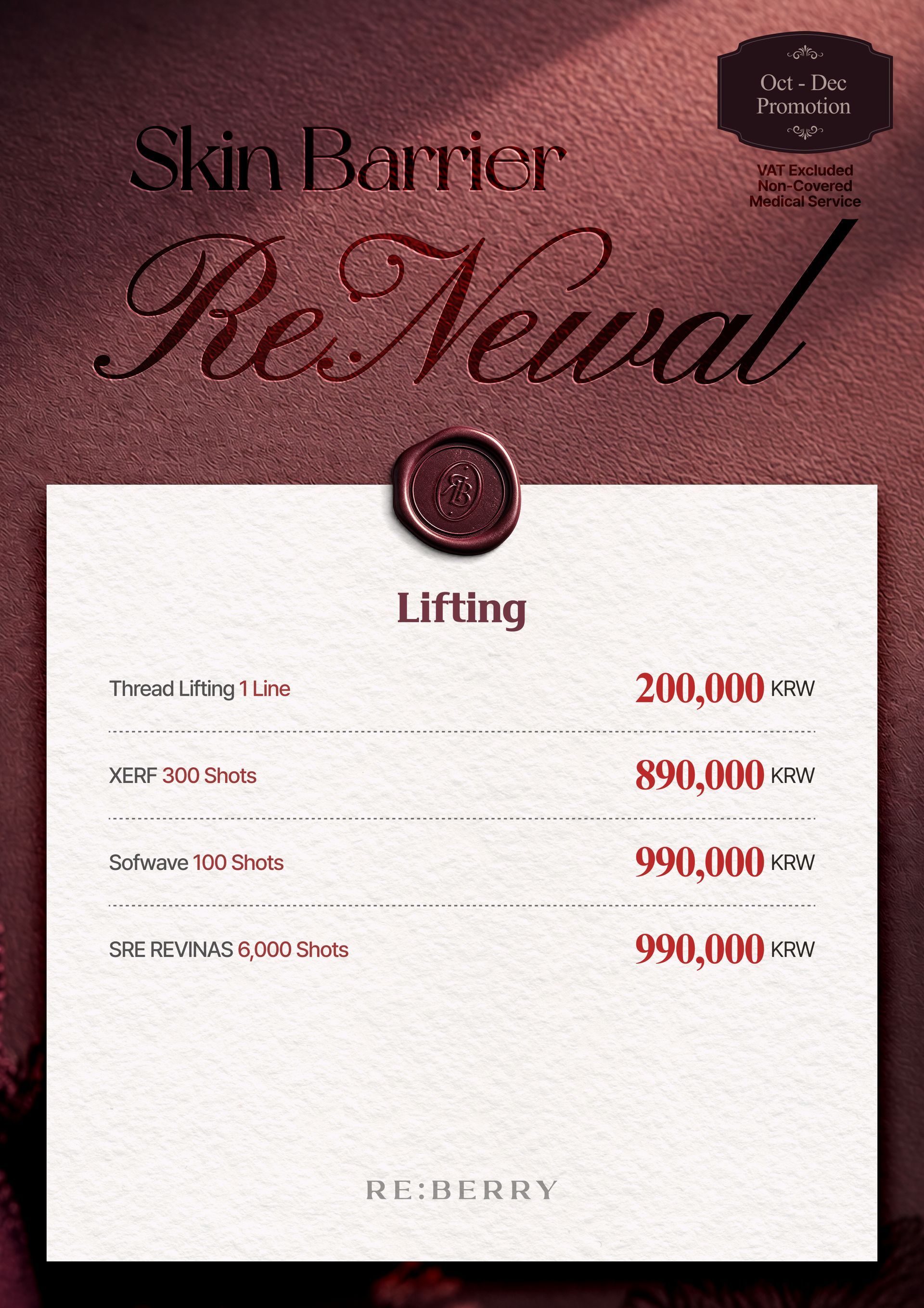
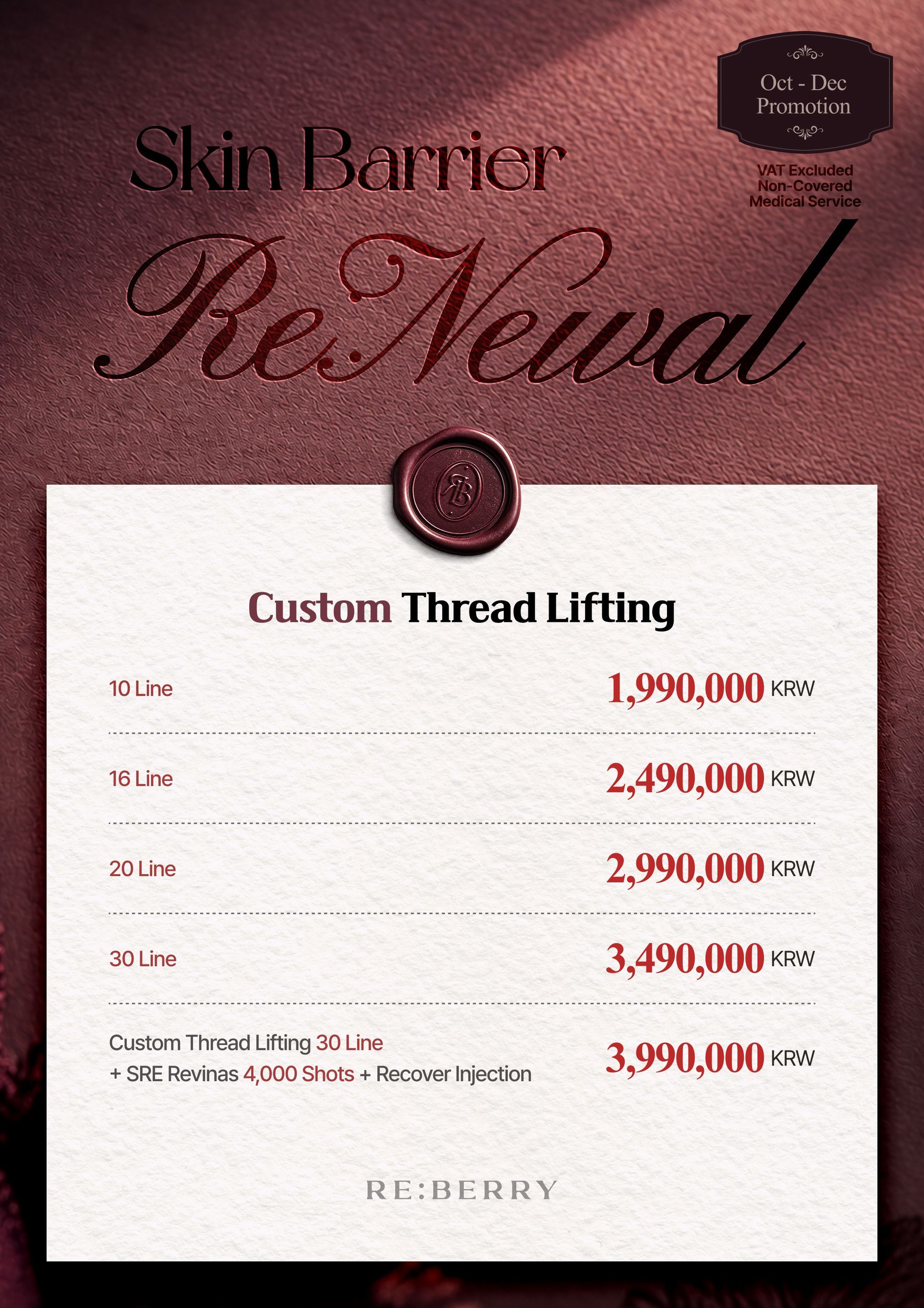
When jowls are more noticeable, absorbable barbed threads can lift the tissue mechanically. The threads are inserted through small entry points and anchor tissue in a higher position, and the body forms collagen around them as they dissolve. Swelling, tenderness and mild dimpling are common for one to two weeks. Results tend to last around a year or longer. Threads are often combined with energy devices for a longer-lasting effect. Read more about jawline thread lifting.
Restoring support with fillers
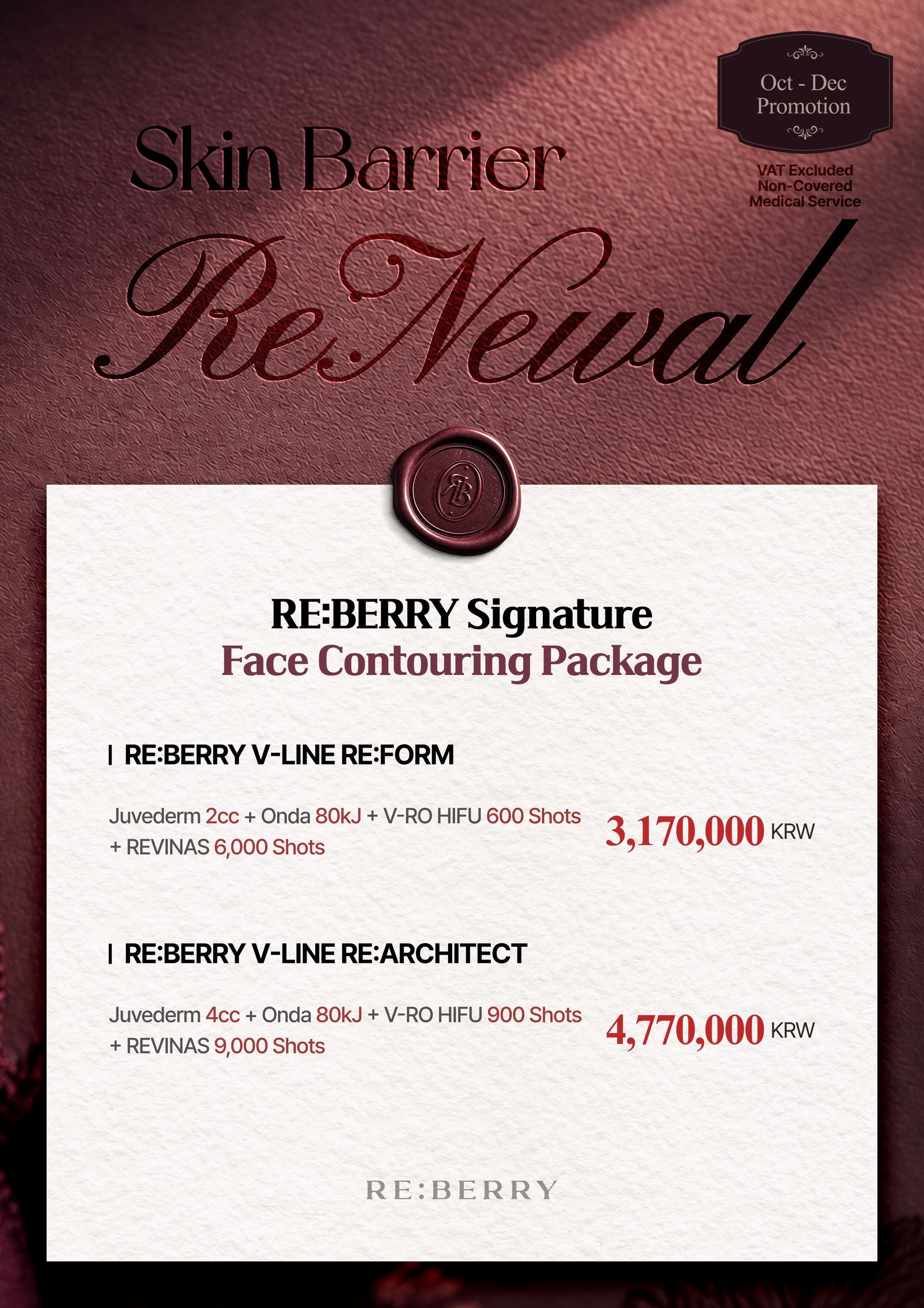
Sometimes the best way to improve jowls is not to treat the jowl directly. Adding structural volume to the cheeks lifts the mid-face, while carefully placed filler along the jawline and chin can blur the jowl and sharpen the outline. Overfilling the lower face can make it look heavier, so placement and quantity matter more than volume.
What does not work well for jowls?
- Facial treatments and masks alone: they improve skin quality but do not lift sagging tissue.
- Fat-dissolving injections in the wrong patient: if the jowl is caused by sagging rather than excess fat, dissolving fat can make the area look looser.
- Very low-cost "lifting" offers: reduced shot counts or non-genuine devices may give little effect.
If your jowls are heavy, with visible folds of skin, non-surgical options may provide only a small change. A consultation with a facial plastic surgeon is reasonable in that situation.
Planning treatment as a visitor to Seoul
Energy devices have little downtime and fit a short trip. Threads and fillers can cause swelling or bruising for several days, so leave time before important events or flights. Ask about remote follow-up, as final results from ultrasound and radiofrequency appear after you return home.
Treatments are generally avoided in pregnancy, over infection and soon after surgery. Tell your doctor about blood thinners, previous fillers or threads, implants and any history of nerve problems or keloids.
Frequently asked questions
What is the most effective non-surgical treatment for jowls?
There is no single best option. For many people in their 40s, a combination of ultrasound lifting with threads or fillers gives the most noticeable result.
Can jowls go back to how they were?
They can often be improved, but ageing continues. Maintenance treatments help keep results.
How long do jowl treatments last?
It varies: around a year for ultrasound and threads, one to two years for radiofrequency, and months to over a year for fillers.
Will exercise or facial yoga help?
There is limited evidence that facial exercises reduce jowls. Weight stability, sun protection and not smoking help skin quality.
When should I consider a facelift?
When there is significant excess skin or deep folds along the jawline, surgery usually offers a much larger improvement.
This article is general information, not medical advice. The cause of sagging jowls differs between people, so have a full assessment by a qualified doctor before choosing a treatment.