Temple Botox in Seoul, Korea

✅ What It Is

  • “Temple Botox” refers to injections of a neuromodulator (e.g., botulinum toxin type A) into or around the temples — specifically targeting the temporalis muscle or other muscles in the temple region — to address both aesthetic and functional issues.
  • Aesthetic uses: soften the temple area, reduce visible bulk from over-active temporalis muscle (e.g., from chewing or clenching), improve upper face contour, lessen prominence of temple region, and create a more balanced facial silhouette.
  • Functional uses: relieve muscle tension in the temples (which can be associated with headaches, jaw clenching, TMJ problems) by reducing muscle activity.
  • Over time, the temple area may appear hollow or sunken due to volume/fat loss; while fillers are commonly used for volume restoration, Temple Botox may be used when muscle activity is a significant contributor or in conjunction with other treatments.

⚙️ How the Procedure Works & What to Expect

  • Consultation: The practitioner assesses your temple area — symmetry between sides, muscle size/activity (e.g., temporalis muscle bulk or tension), facial contour, any functional concerns like head/temple pain, and how your goals align (slimmer upper face, less tension, more balanced shape).
  • Injection session: Small injections are placed into the temple region (the side of the head above/behind the eye, along the temporal fossa). The session is typically short (~10–20 minutes) depending on area and dose. Numbing may be optional.
  • Onset of effects:
  • Some reduction in muscle activity or visible change may be noticeable within ~1–2 weeks.
  • For contour changes (slimming of temple region) or tension relief, full effect may manifest over 2–4 weeks.
  • Duration: Typical effect lasts about 3-4 months, though individual results may vary depending on muscle use (chewing/clenching), brand of neuromodulator, and metabolic rate.
  • Recovery / Downtime: Very minimal. You may experience mild swelling or bruising at injection points. Normal activities can usually be resumed quickly.

💰 Typical Cost Range in Seoul

  • Pricing depends widely on several factors:
  • Which neuromodulator brand is used
  • How many units/dose are needed (which depends on muscle size/activity)
  • Whether the treatment is unilateral (one side) or bilateral (both temples)
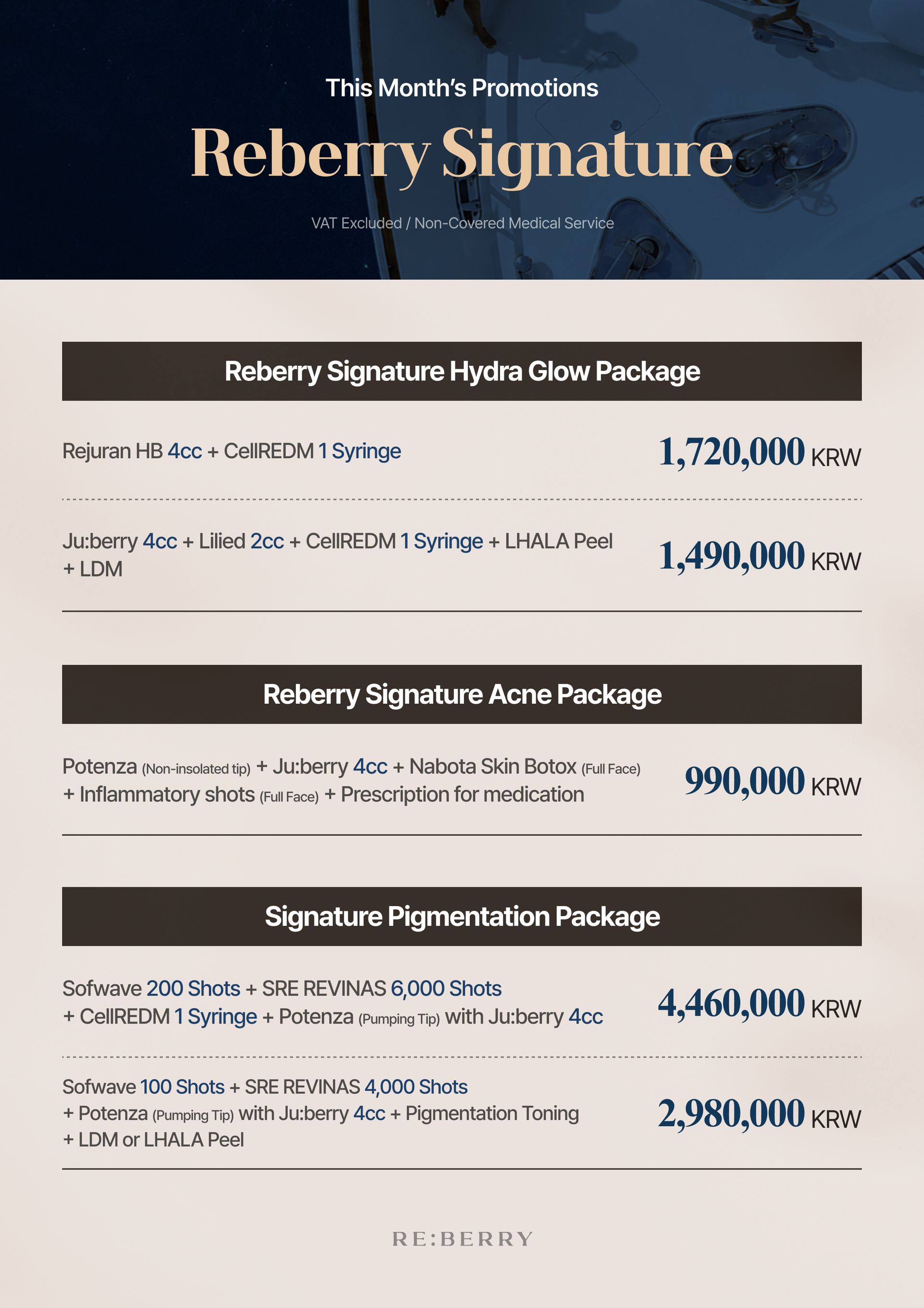
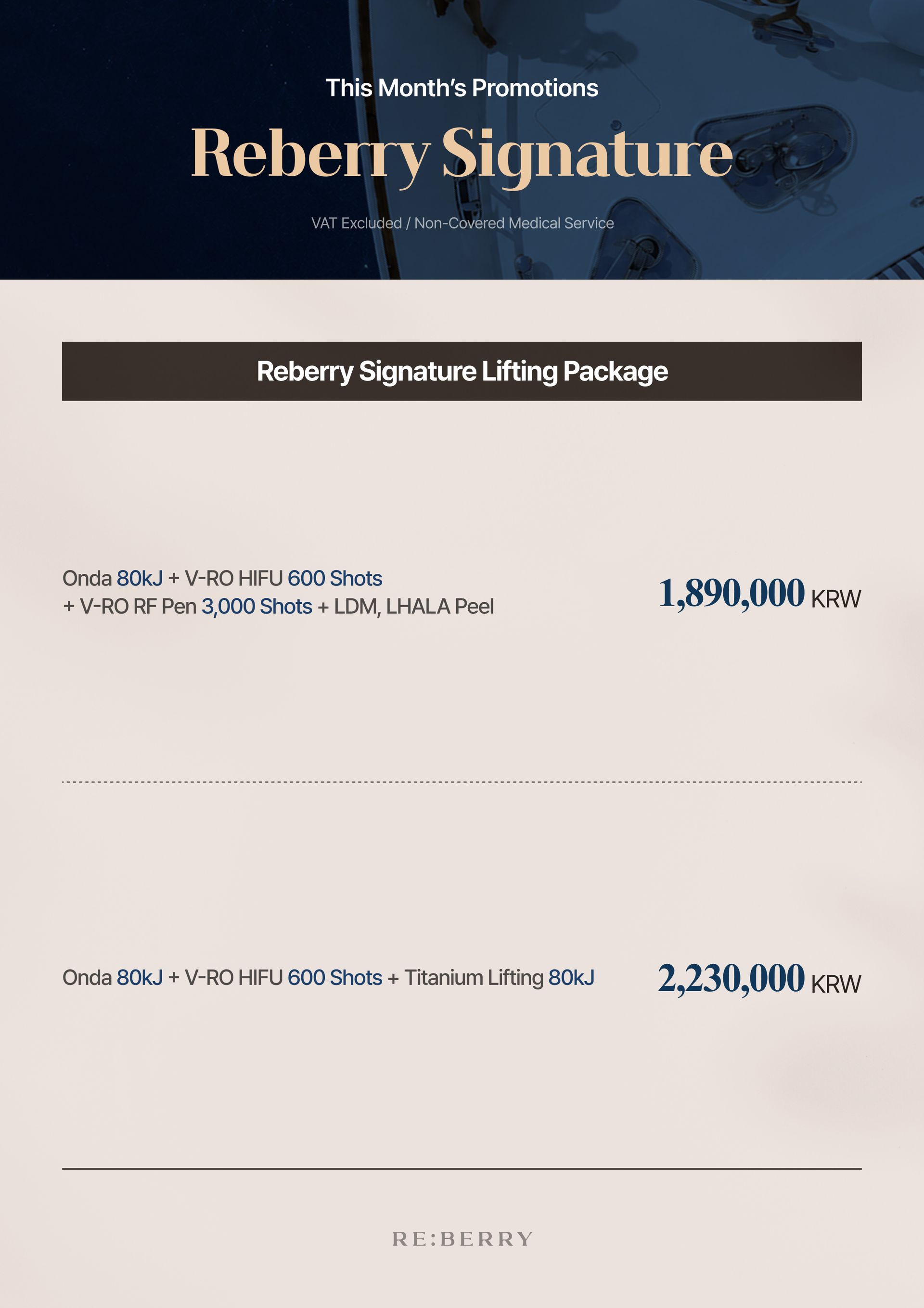
  • Whether additional treatments are conducted at the same time
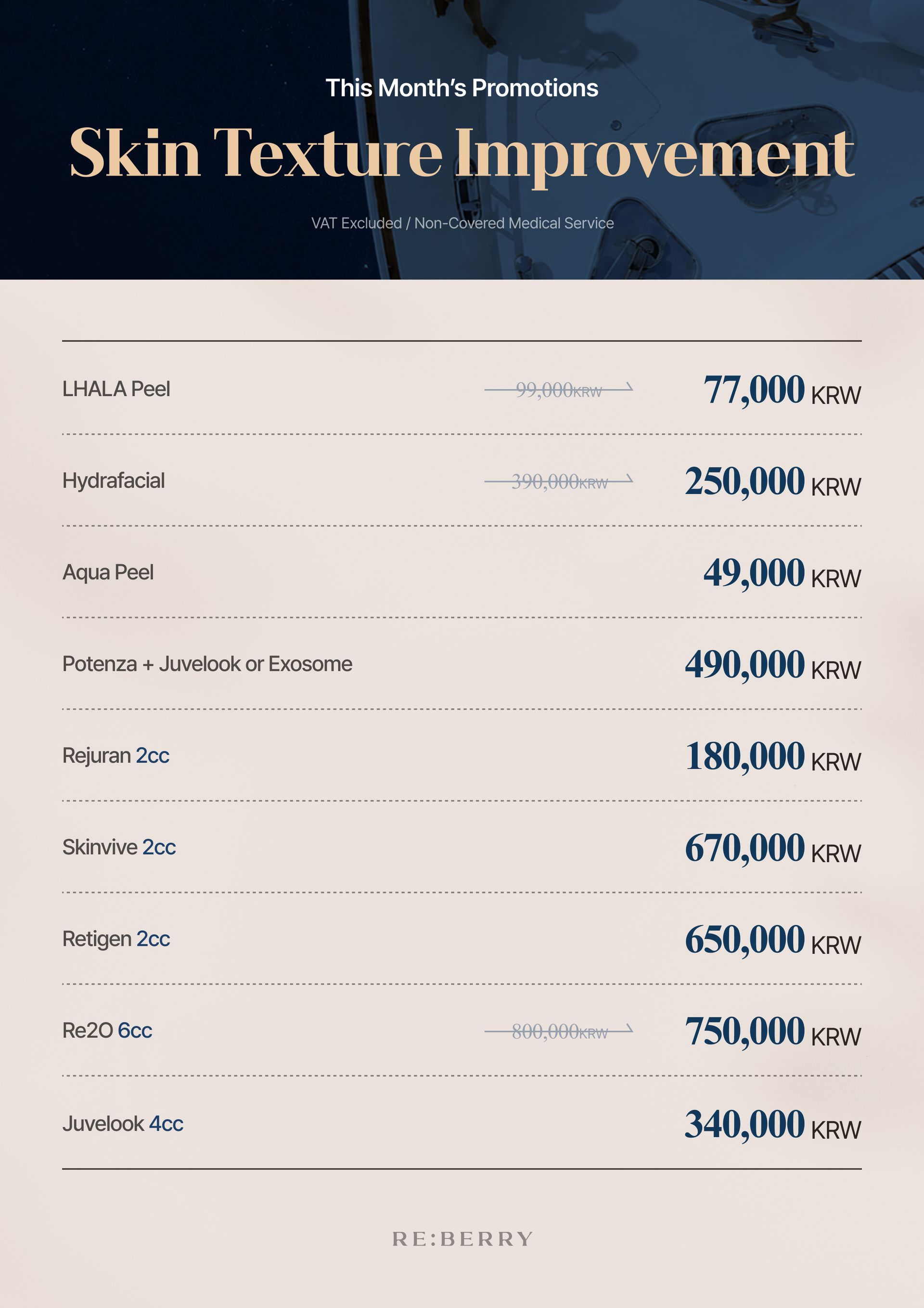
  • As a rough guideline: some reports show treatment of the temple region (one side) starting around ₩ 300,000 KRW and up to ₩ 600,000+ KRW or more for both sides or higher dose.
  • For higher doses/“premium” brand neuromodulators, cost may reach ₩ 600,000 – ₩ 1,000,000 KRW or more depending on clinic and case complexity.
  • Always ask what the quoted price includes (consultation, units, follow-up) and how many units are planned.

🧐 What to Ask / Check Before Proceeding

  • Which brand of neuromodulator will be used (and is it certified/approved for use in this indication).
  • How many units or injection sites will be applied, and how the dose was determined for your temporalis muscle activity/size.
  • The provider’s experience with the temple region specifically (temporal anatomy is less common target than e.g., masseter) and their approach to balancing both sides for symmetry.
  • Whether your concern is more muscle-activity based (e.g., clenching, chewing) or volume/fat loss (hollow temples) — because if it’s hollowing, a filler may be more appropriate or used along with Botox.
  • What your realistic outcome will be (subtle contour change, reduced tension) and what the limitations are (this is not a full volume restoration).
  • After-care instructions: what to avoid (heavy chewing/clenching, pressing/massaging the area, extreme exercise) and for how long.
  • Maintenance plan: how long this effect may last for you, when a follow-up is suggested, and whether your muscle use habits (e.g., teeth-grinding) may shorten duration.
  • Full cost breakdown: make sure consultation, product, injection, any follow-ups are included, and clarify whether extra units might incur additional cost.

📋 Smart Tips & After-Treatment Care

  • After injection: avoid pressing or massaging the treated temple area for at least 24 hours, unless your practitioner says otherwise.
  • Avoid intense chewing, excessive jaw clenching or chewing gum heavily for the first few days (if muscle reduction is a goal).
  • Good posture and stress-reduction may help if you tend to clench or compress your jaw/temple area — better habits can support longer-lasting results.
  • If you have hollow temples (due to volume/fat loss) in addition to muscle bulk, ask about combined treatment (Botox + filler) for optimal effect.
  • Use sun protection and gentle skin care in the temple region — while Botox treats muscle activity, healthy skin still helps maintain overall aesthetic results.
  • Keep a record of what brand and how many units were used — helpful for repeat treatments and tracking how your response evolves.
  • Maintain realistic expectations: Temple Botox provides subtle contour change or tension relief — it is not a dramatic surgical facelift or volume-fill restoration.