Nose Fillers in Seoul, Korea
Gangnam Re:berry Clinic
Nose Fillers in Seoul, Korea
Non-Surgical Nose Contouring Treatment at RE:BERRY Clinic Gangnam
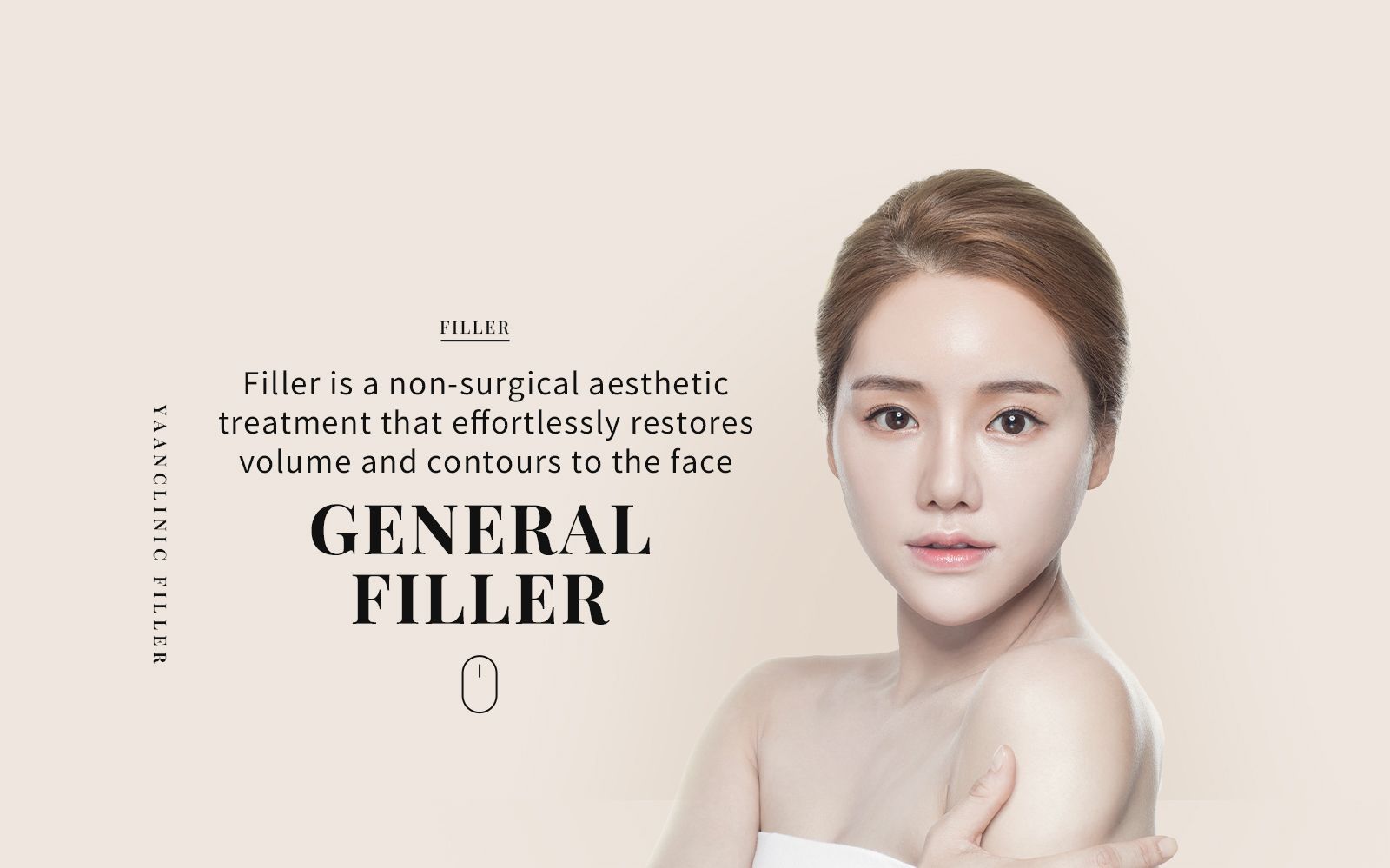
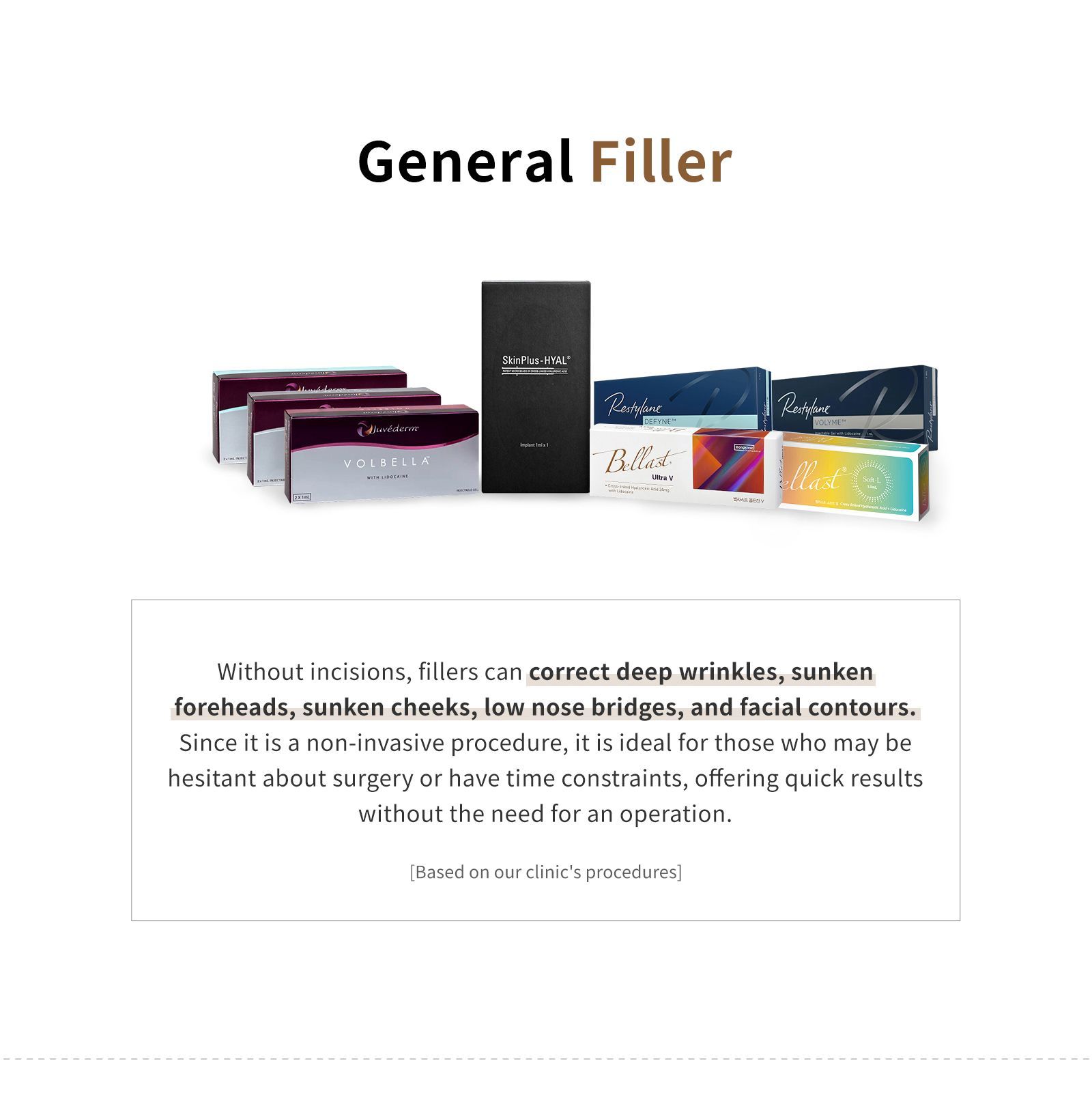
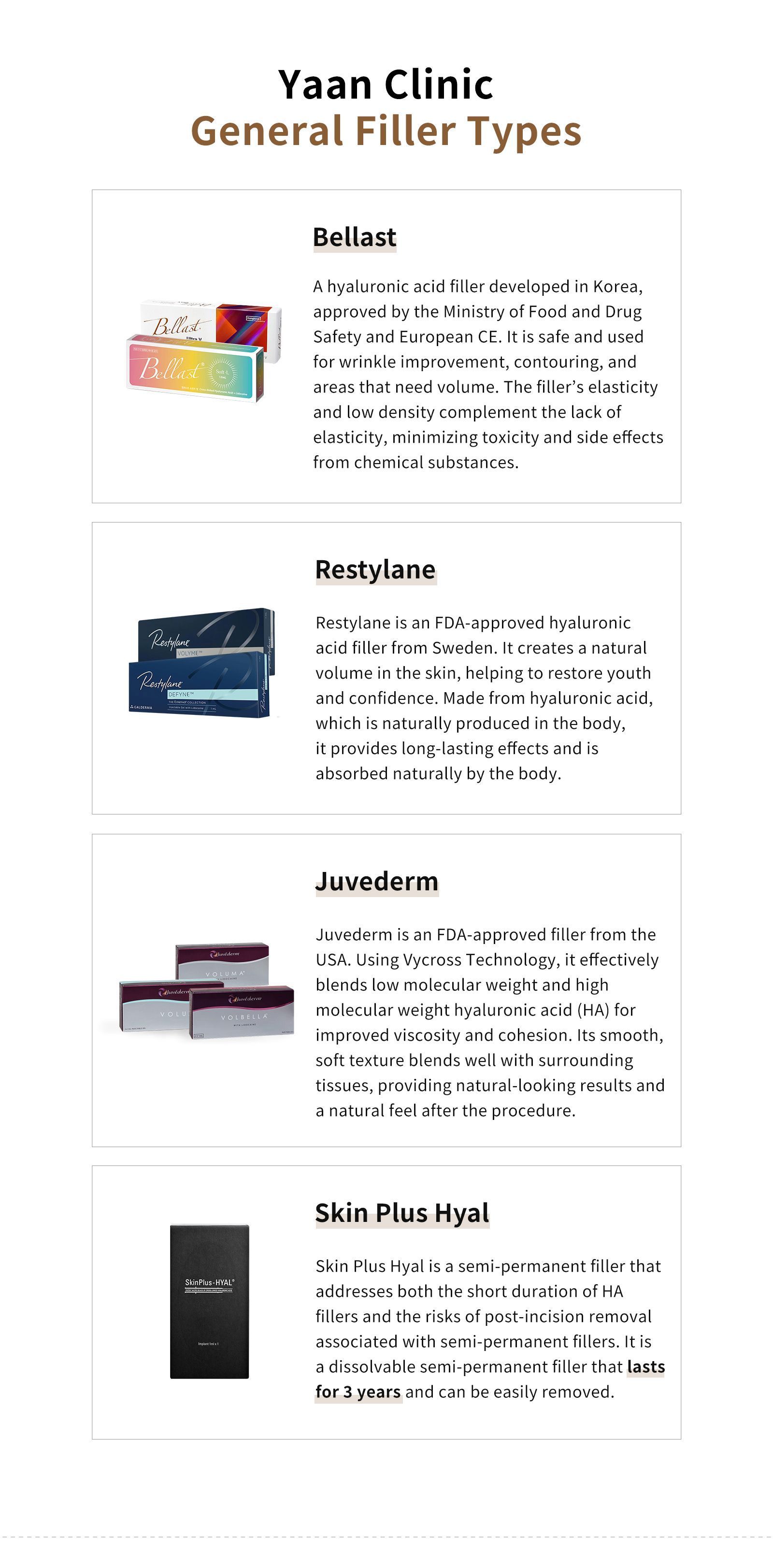
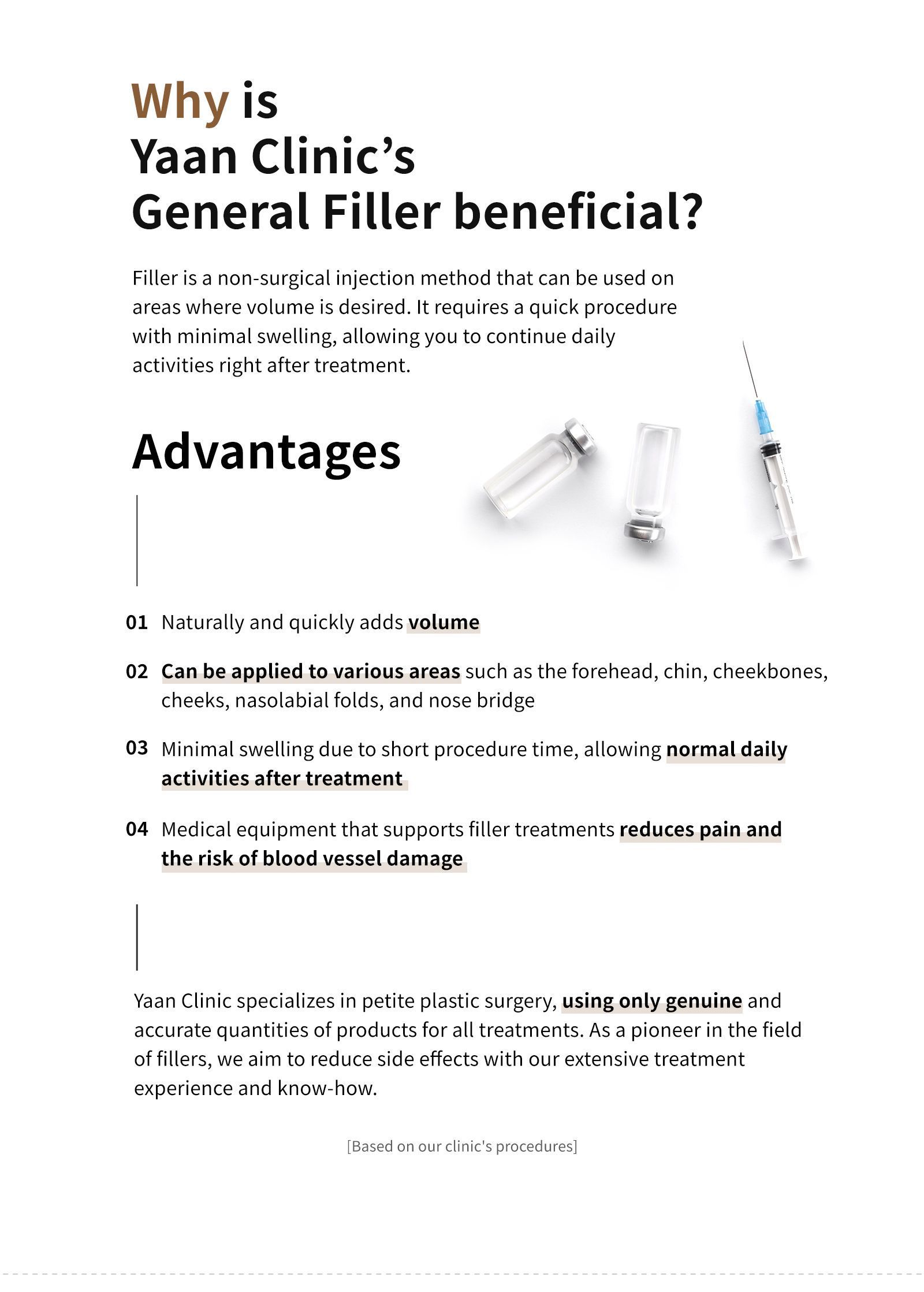
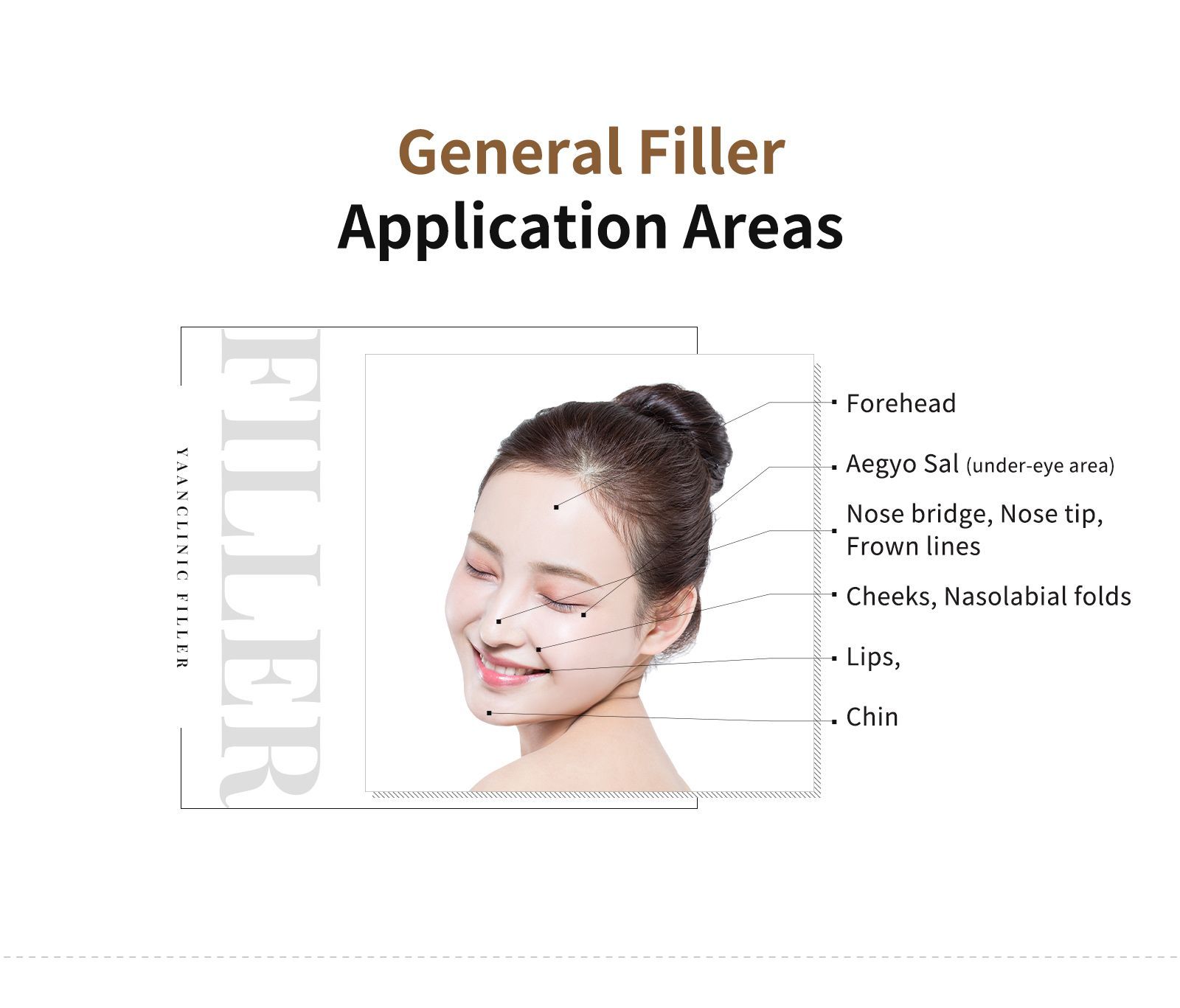
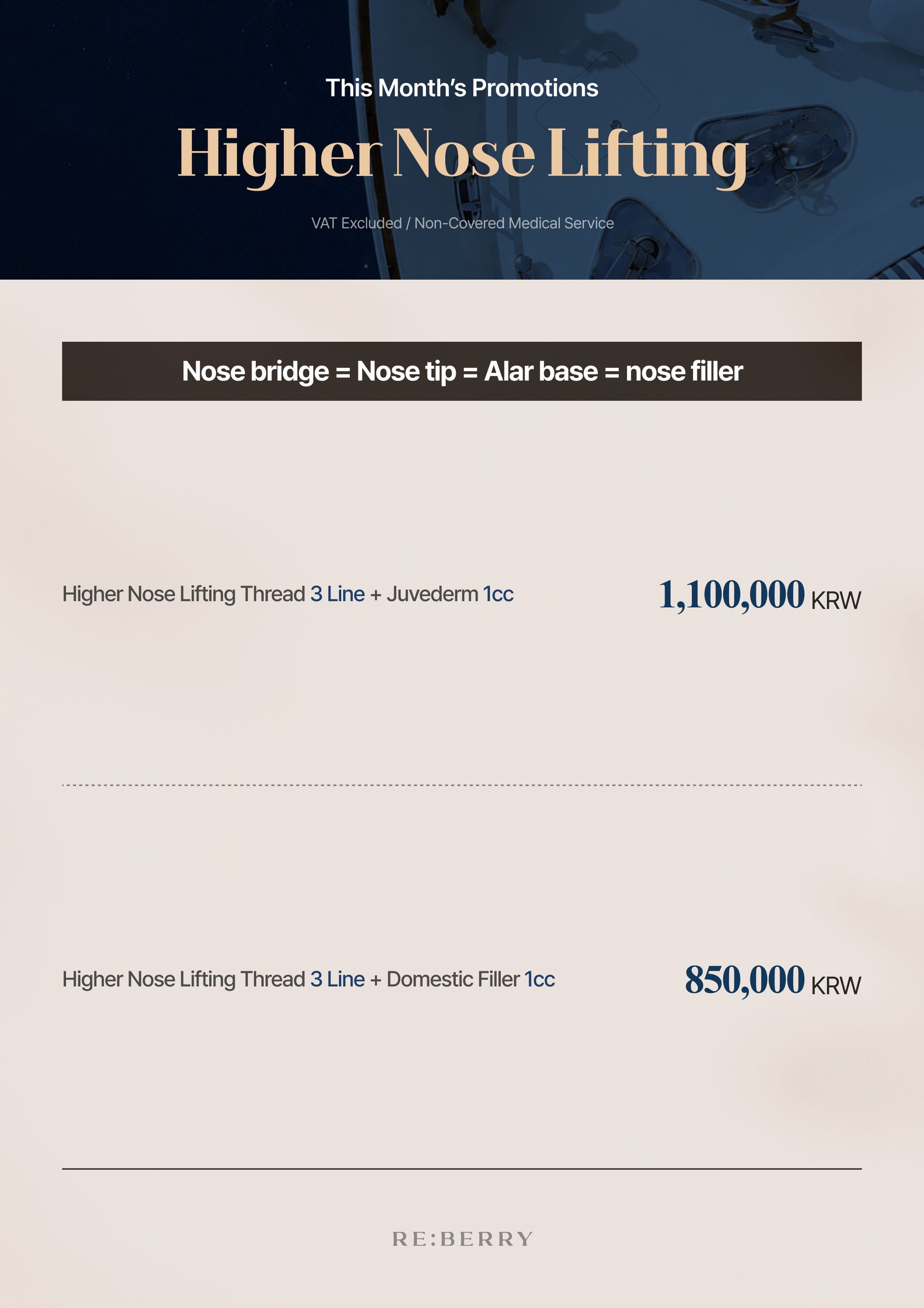
Nose Fillers are non-surgical injectable treatments designed to enhance nose shape, improve bridge height, and refine overall nasal contour without surgery. At RE:BERRY Clinic Gangnam, nose filler treatments are carefully customized to create balanced, natural-looking profile enhancement.
Using high-quality hyaluronic acid-based dermal fillers, this treatment helps smooth dorsal humps, lift the nasal bridge, and improve symmetry while maintaining harmony with the rest of the face.
Why Get Nose Fillers in Gangnam?
Gangnam is widely known as Seoul’s center for advanced dermatology and aesthetic treatments. At RE:BERRY Clinic Gangnam, patients receive customized nose filler treatments based on facial proportions, nose structure, and aesthetic goals.
The clinic offers:
- Precise nasal contour injection techniques
- Personalized profile and facial balance analysis
- Natural-structure enhancement planning
- Foreigner-friendly service for international patients
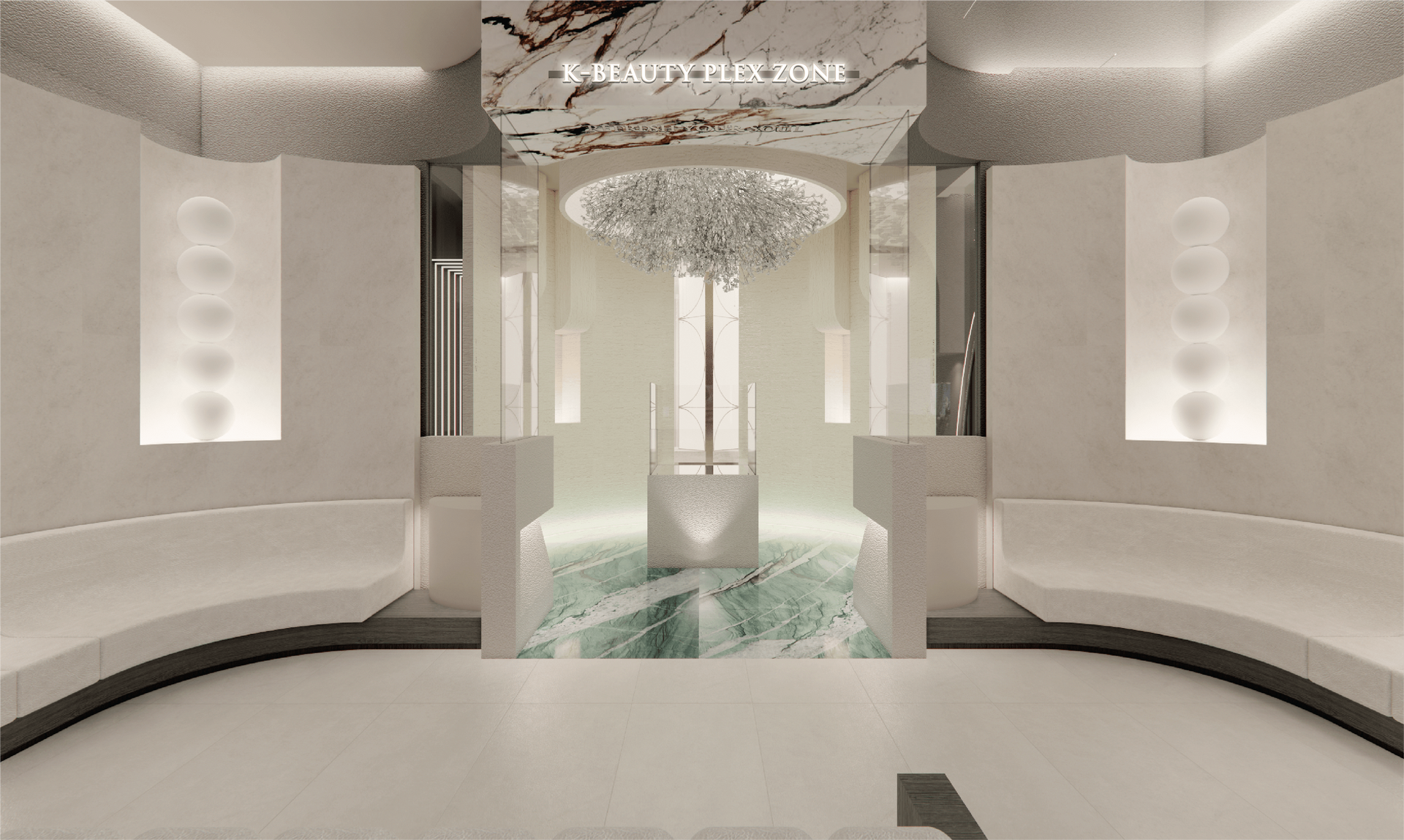
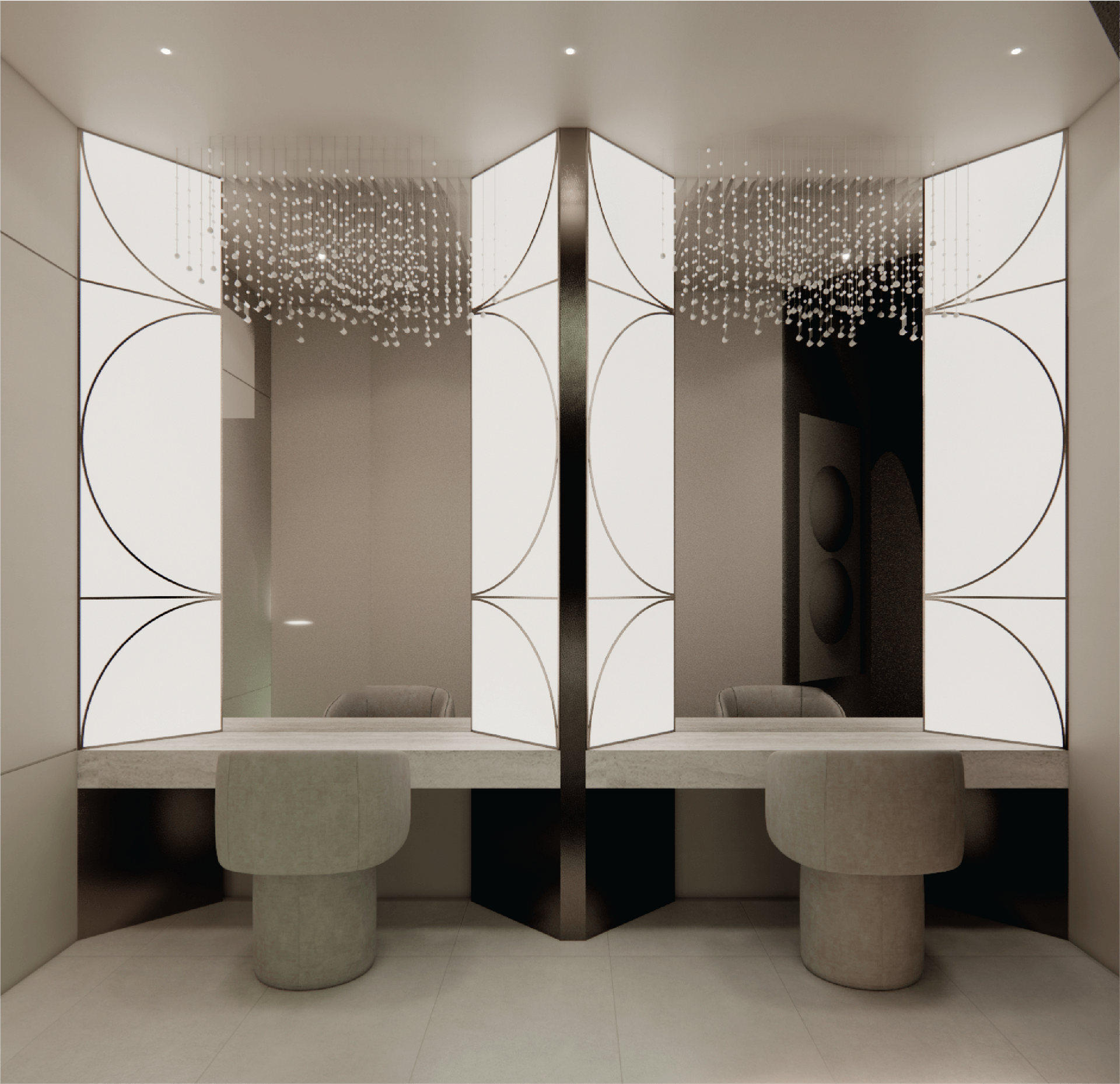
- Comfortable and professional treatment environment
Benefits of Nose Fillers
Nose filler treatments at RE:BERRY Clinic help:
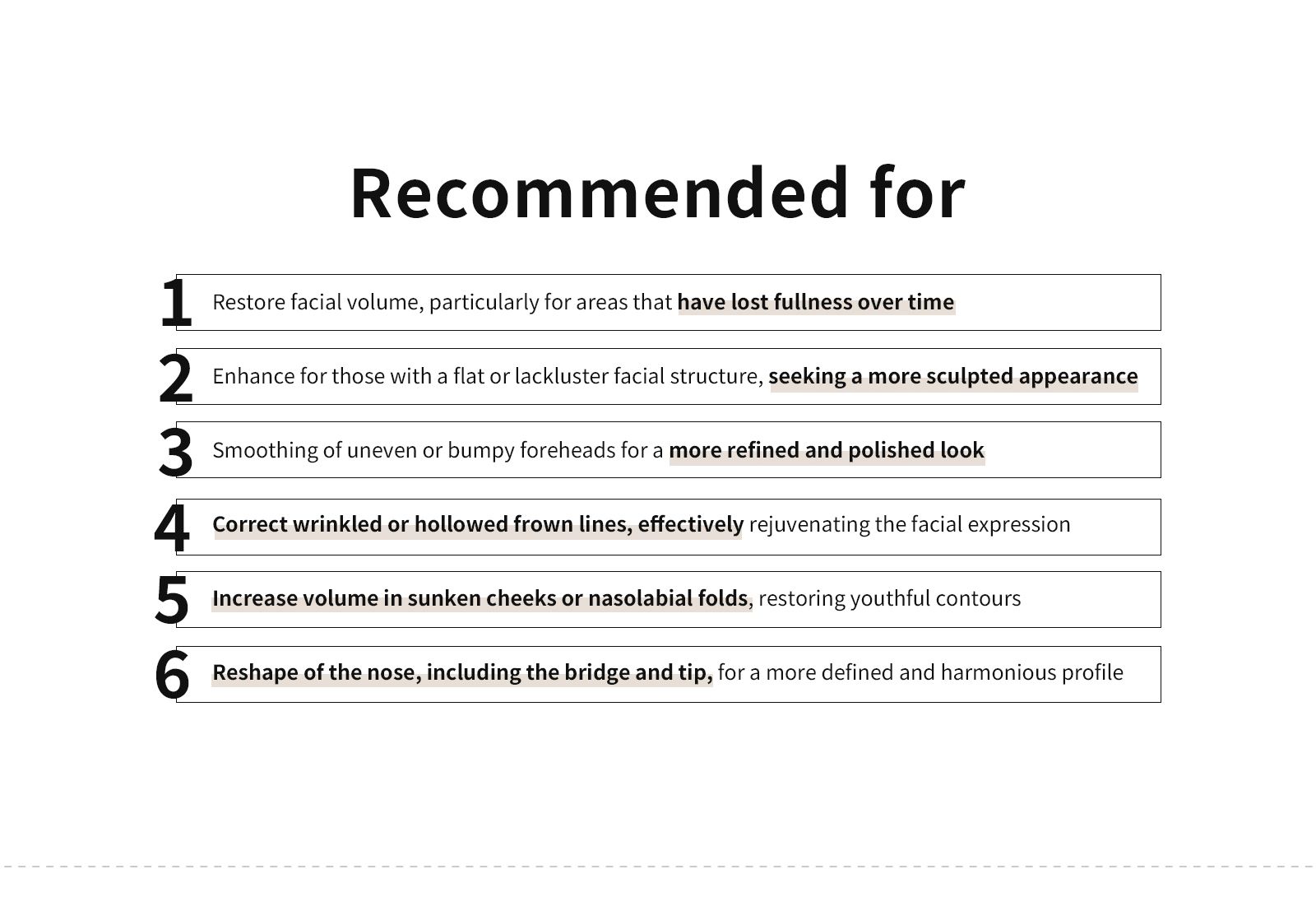
✔ Enhance nasal bridge height
✔ Smooth mild dorsal humps
✔ Improve side profile definition
✔ Correct minor asymmetry
✔ Deliver immediate, natural-looking results
What to Expect During Treatment
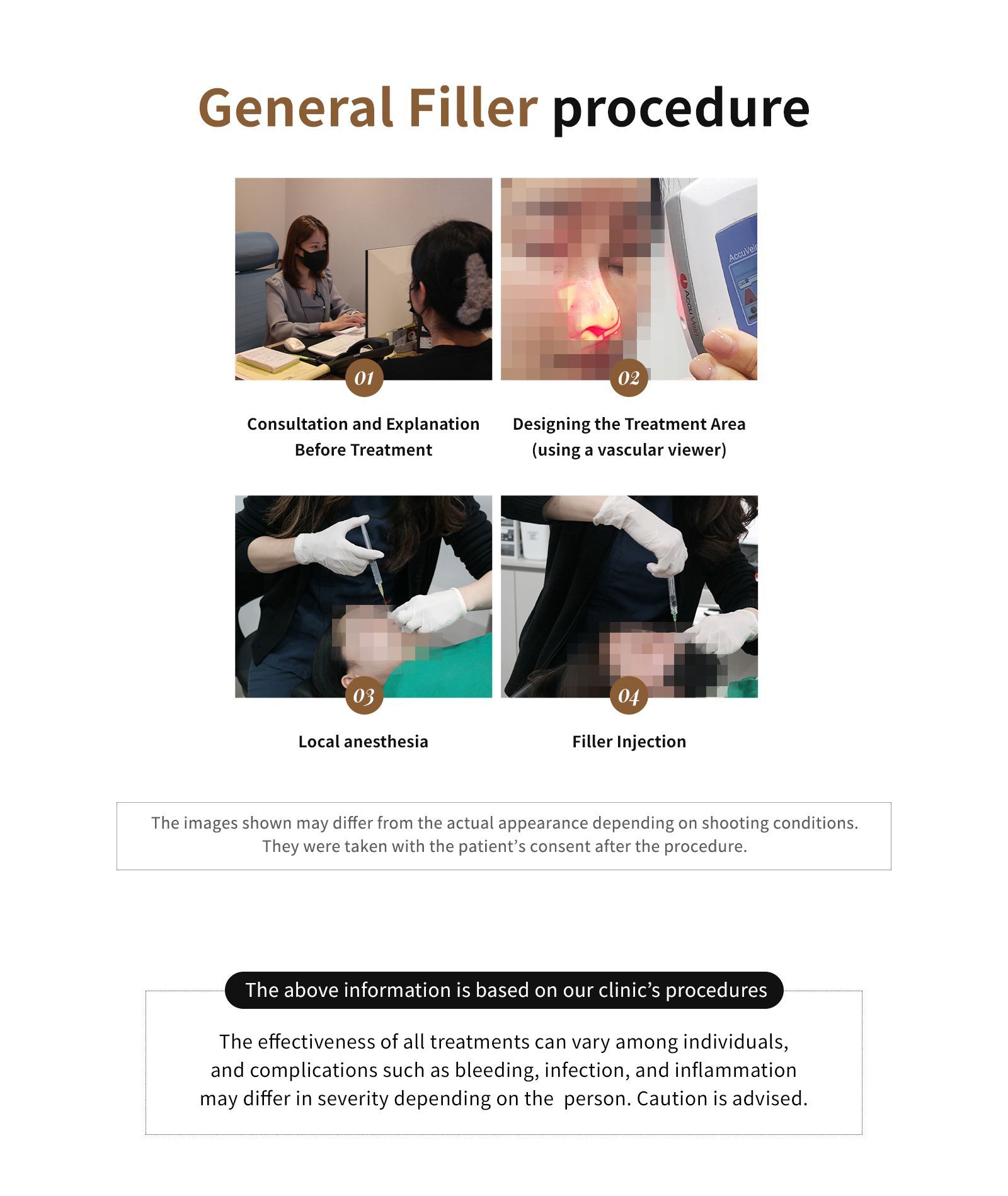
A typical nose filler session includes:
Treatment time: Approximately 15–30 minutes
Preparation: Cleansing and optional numbing
Recovery: Mild swelling or redness may occur for a few days
Treatment plan: Results typically last several months to over a year depending on filler type and individual factors
After treatment, patients are advised to avoid pressure on the nose and follow post-care instructions to maintain optimal results.
Nose Fillers at RE:BERRY Clinic Gangnam
At RE:BERRY Clinic, nose filler treatments are designed to enhance nasal contour safely and effectively through precise injection techniques and individualized planning.
Whether you are visiting Seoul or living in Korea, RE:BERRY Clinic provides a premium, foreigner-friendly non-surgical nose contouring experience in Gangnam.
📍 RE:BERRY Clinic Gangnam, Seoul
💌 Book your consultation for personalized nose filler treatment
Nose Fillers in Gangnam | RE:BERRY Clinic