Laser Facelift in Seoul: What "Non-Surgical Facelift" Really Means
Short answer: In Seoul, a "laser facelift" or "non-surgical facelift" usually means a combination of energy-based treatments, such as focused ultrasound, radiofrequency and laser, that heat the skin and deeper tissue to tighten it and stimulate collagen. It does not cut, remove skin or reposition tissue the way surgery does. For mild to moderate sagging it can give a visible, natural-looking lift over a few months, with little downtime, but results are smaller and shorter-lived than a surgical facelift.
What does "laser facelift" actually mean?
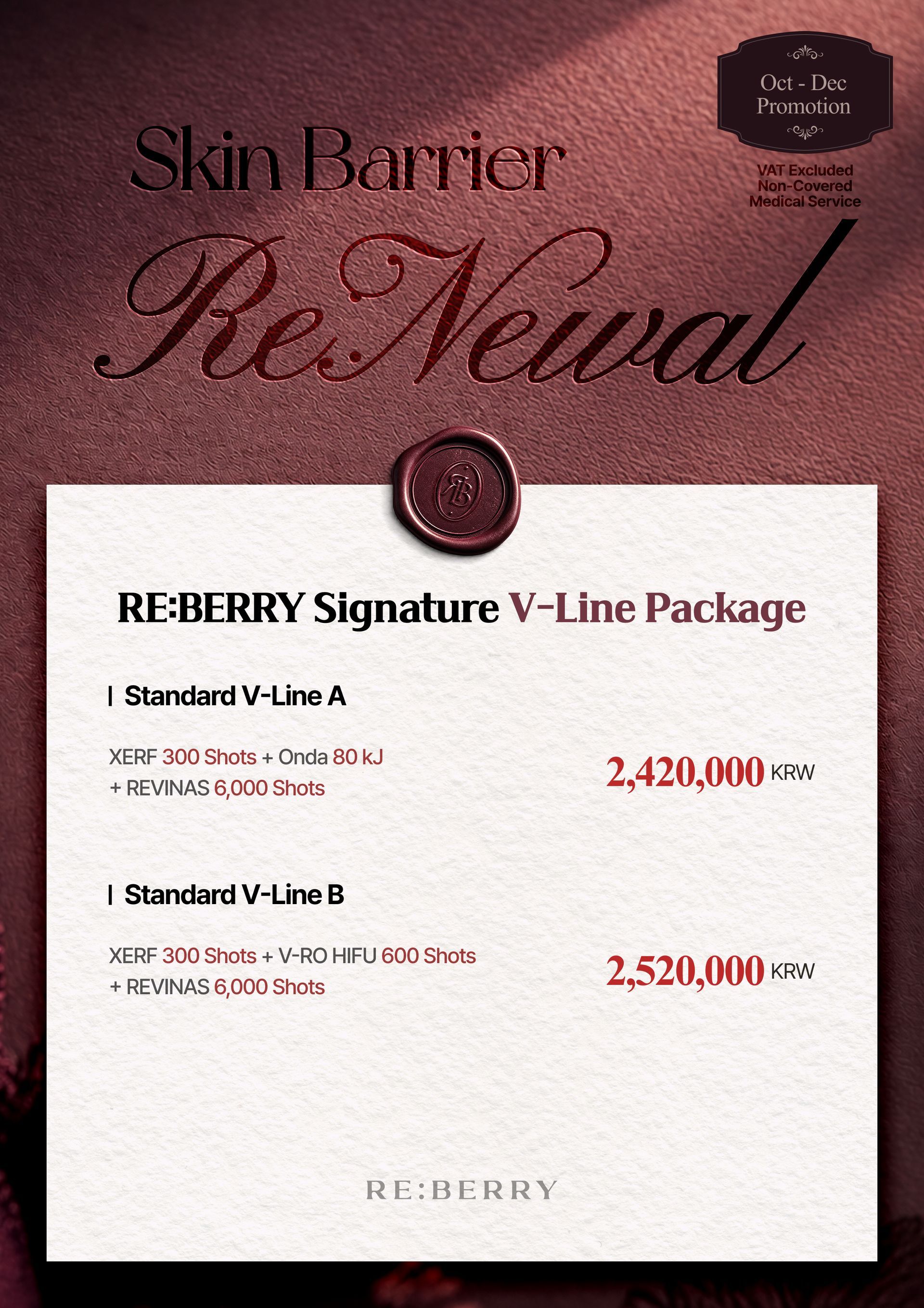
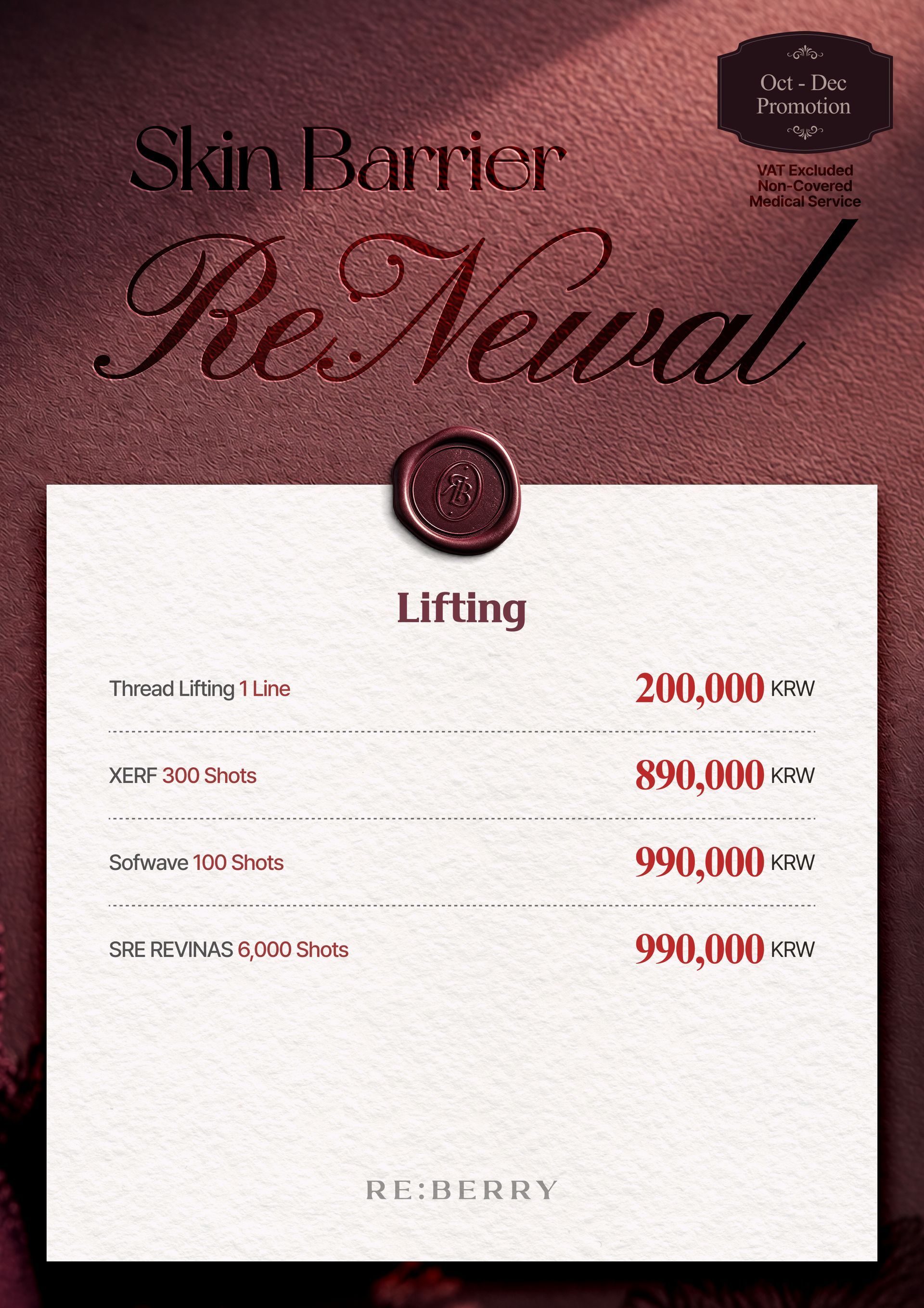
The term is used loosely. Very few so-called laser facelifts rely on a laser alone. In most Korean clinics, the phrase describes a lifting programme built from several devices, each targeting a different depth:
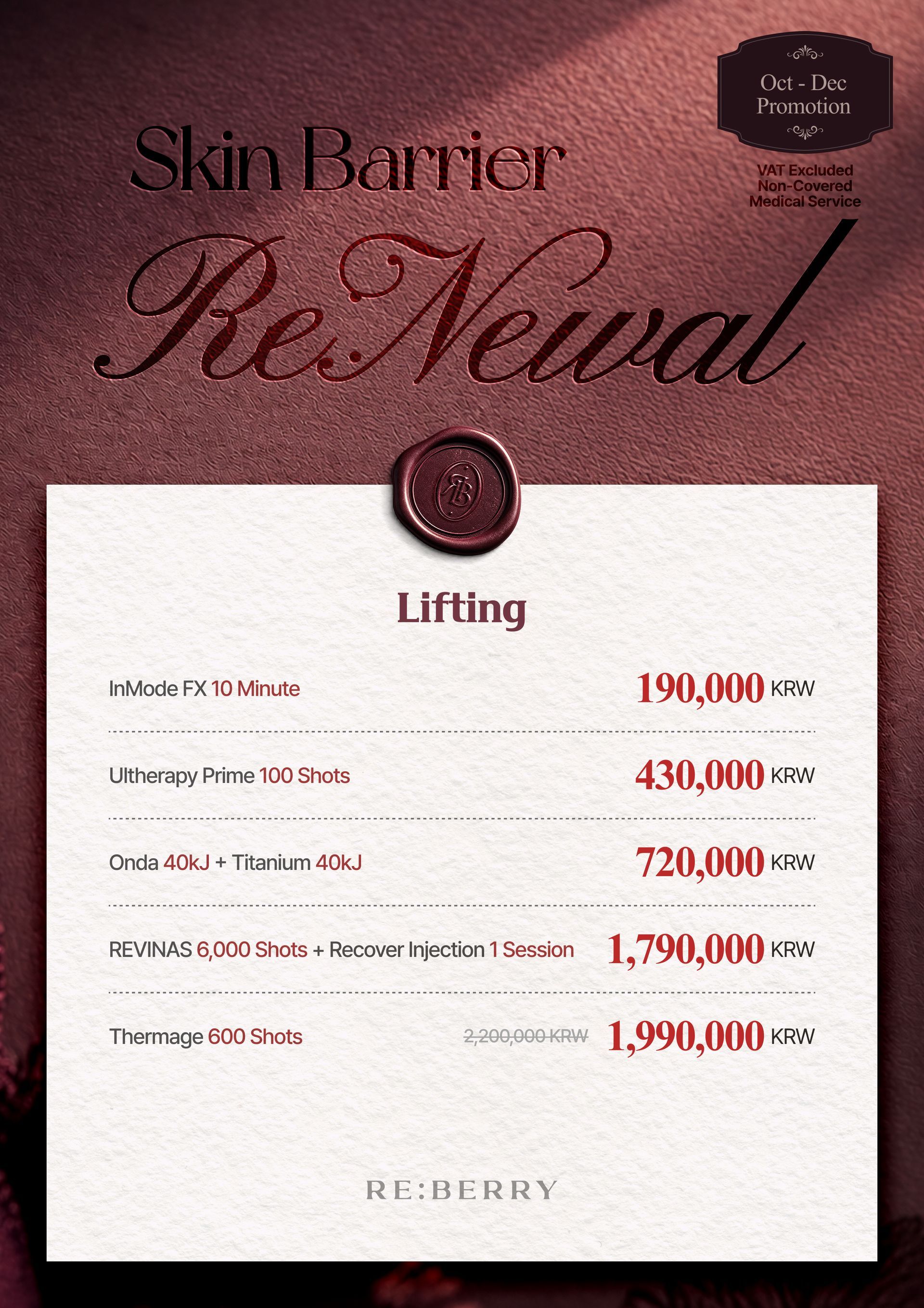
- Focused ultrasound (HIFU), such as Ultherapy or Shurink, for the deep SMAS layer.
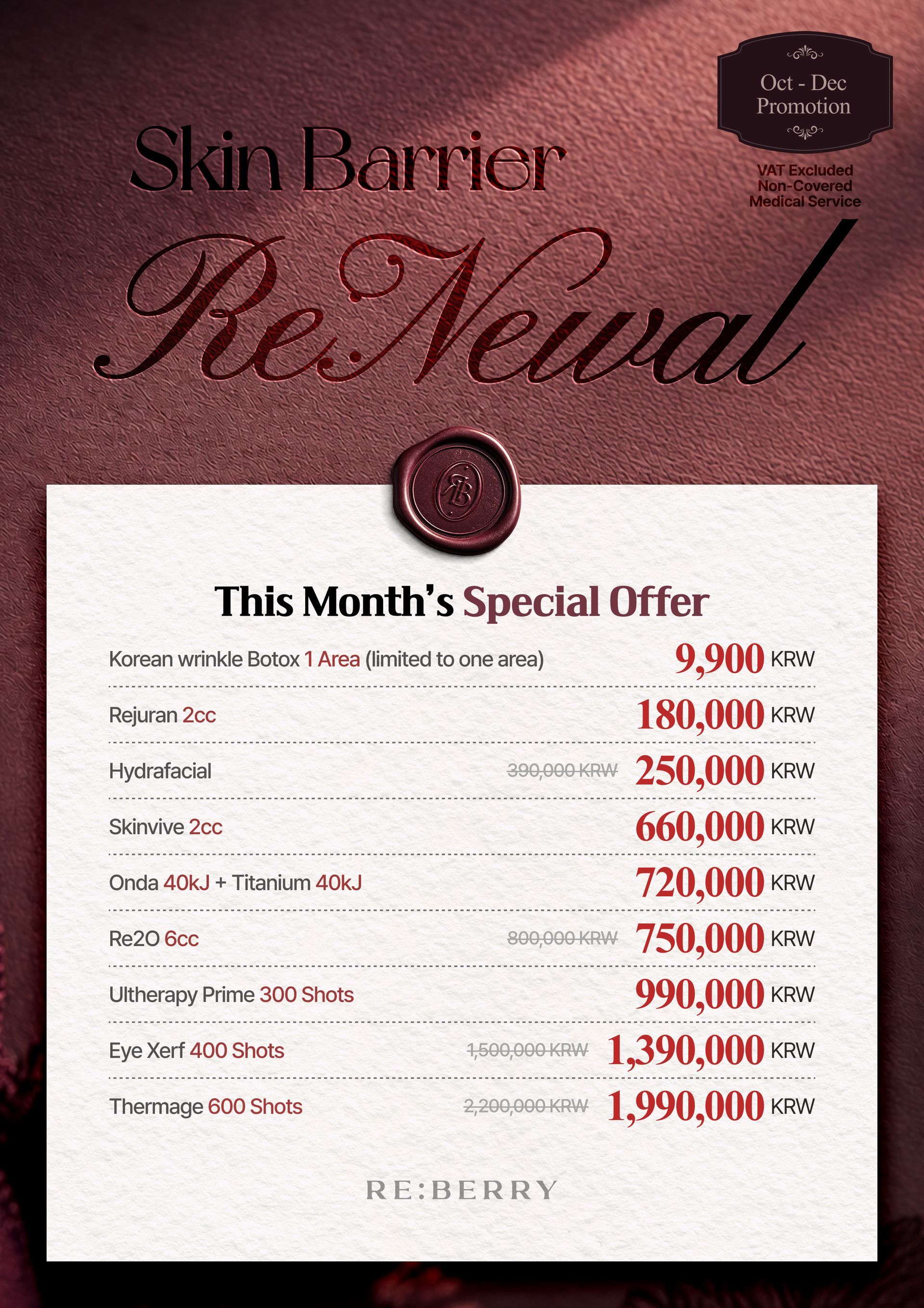
- Radiofrequency, such as Thermage FLX, for the deep dermis and fibrous tissue.
- Lasers, such as fractional or non-ablative devices, for surface texture, fine lines and tone.
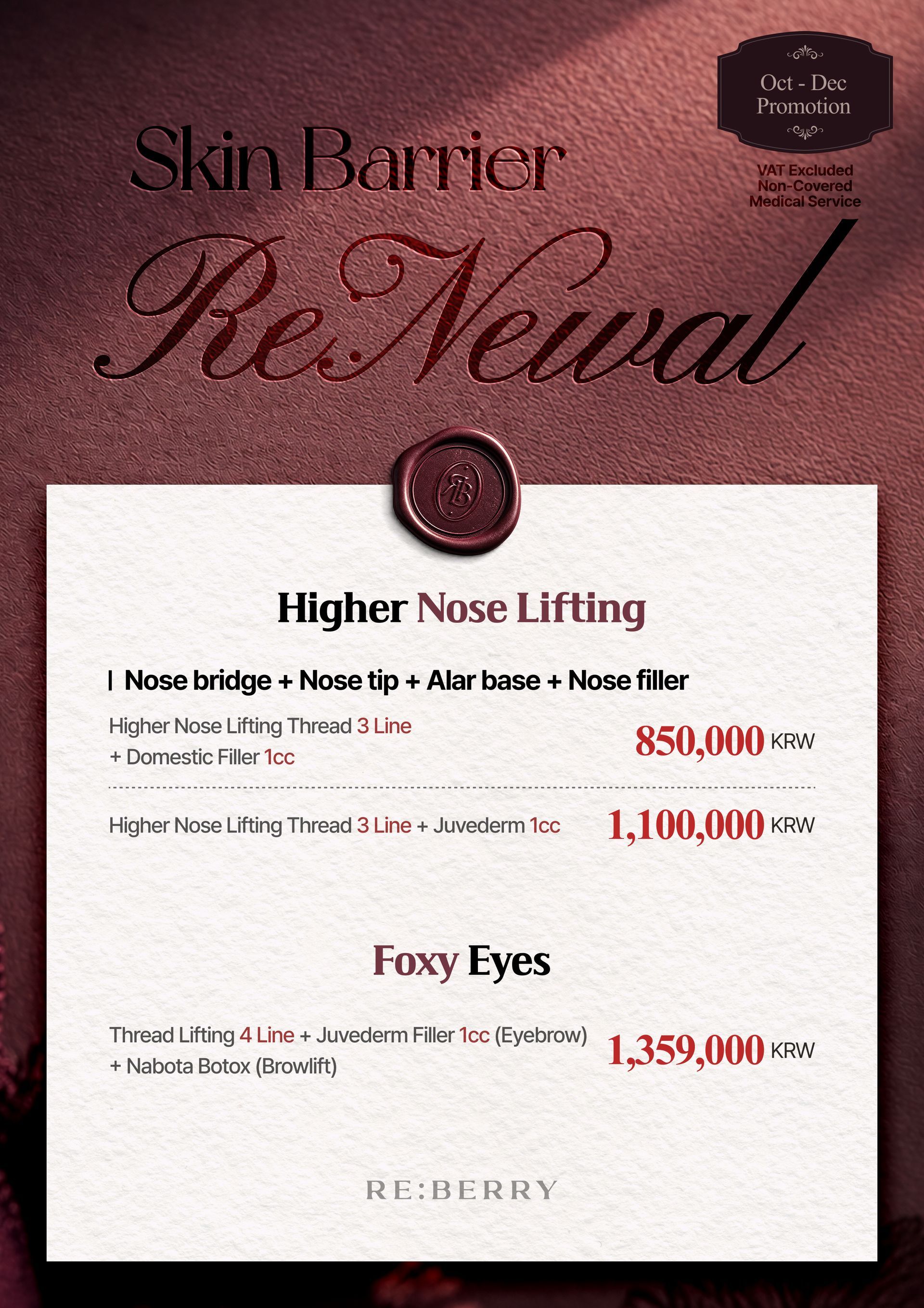
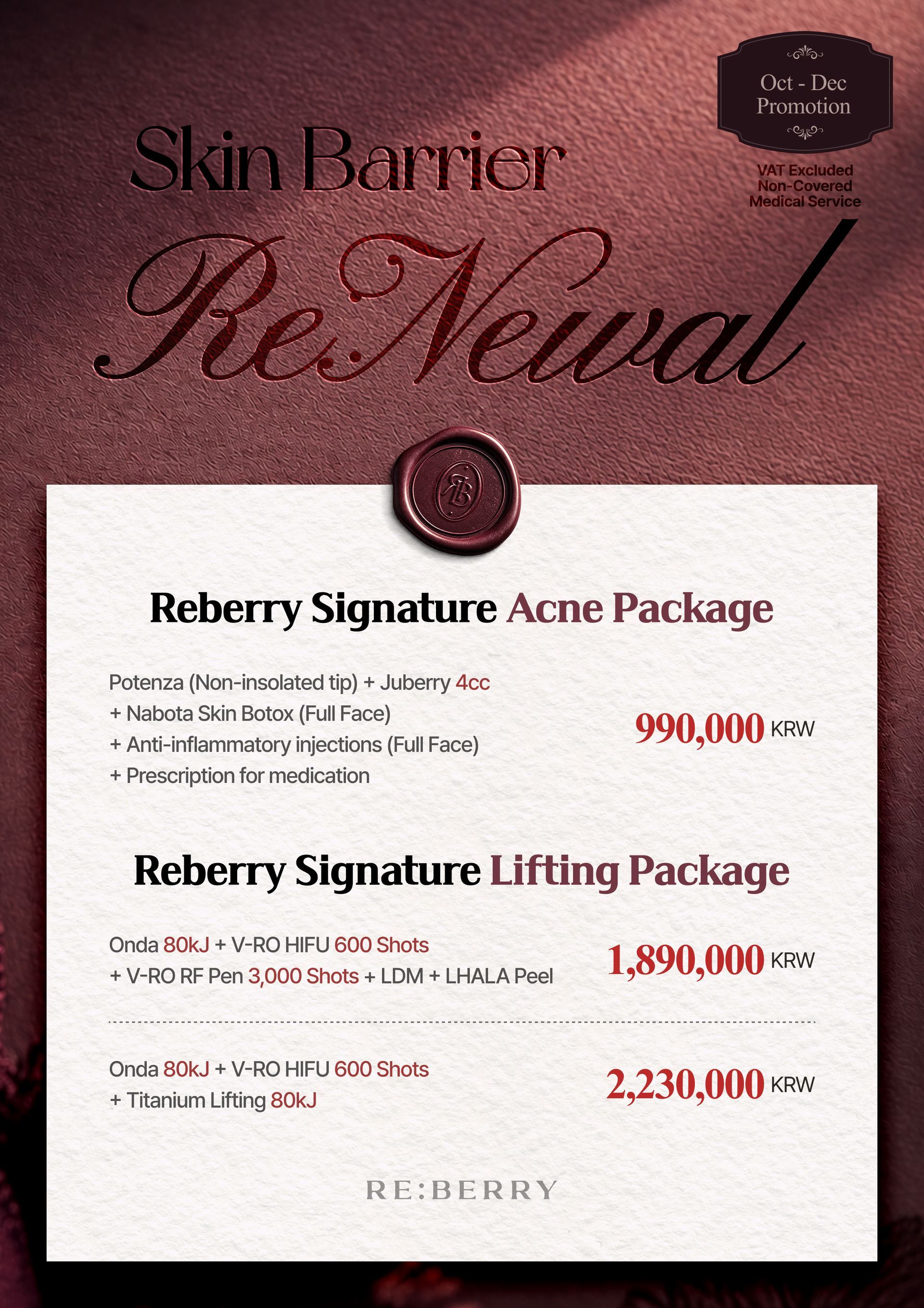
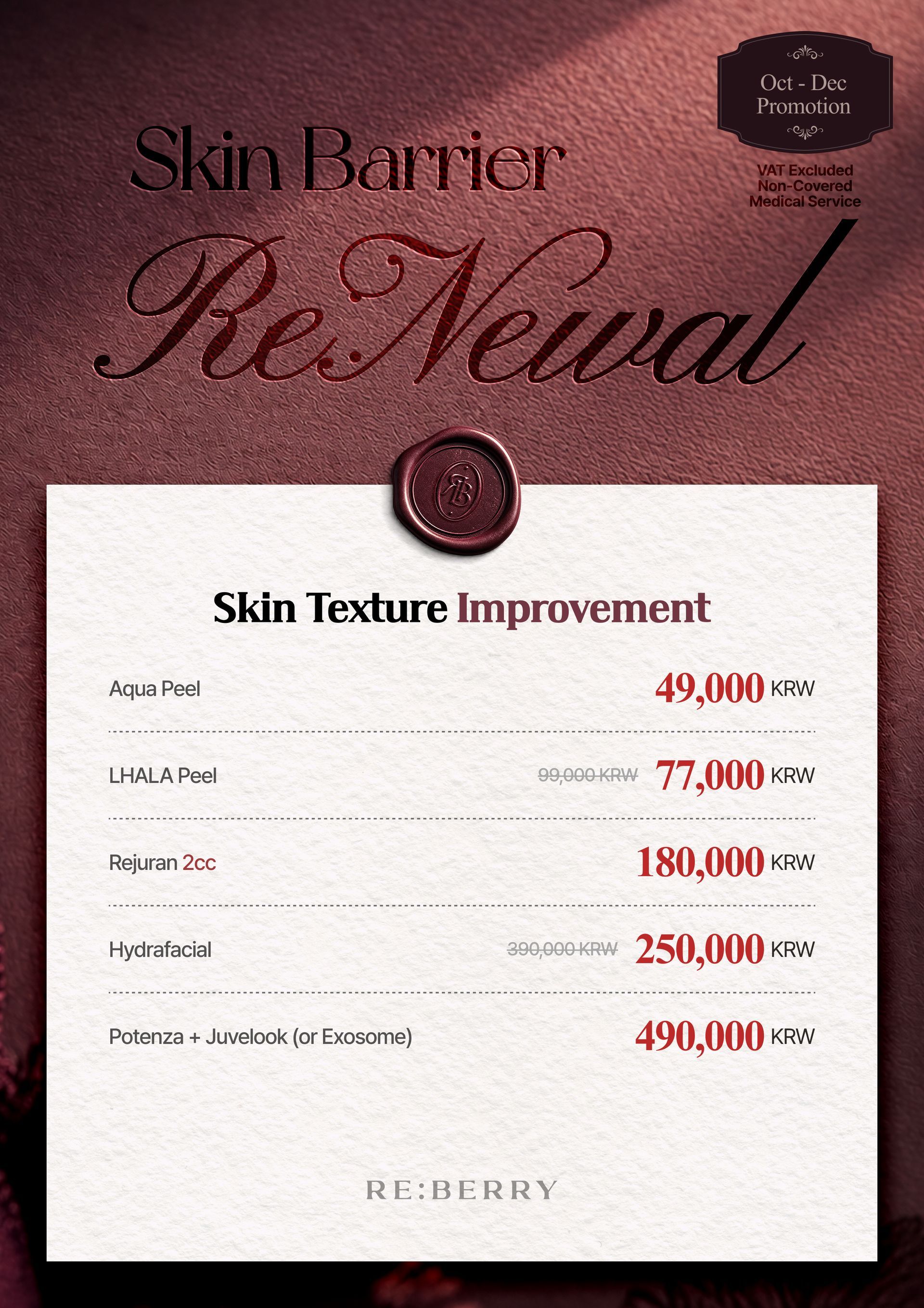
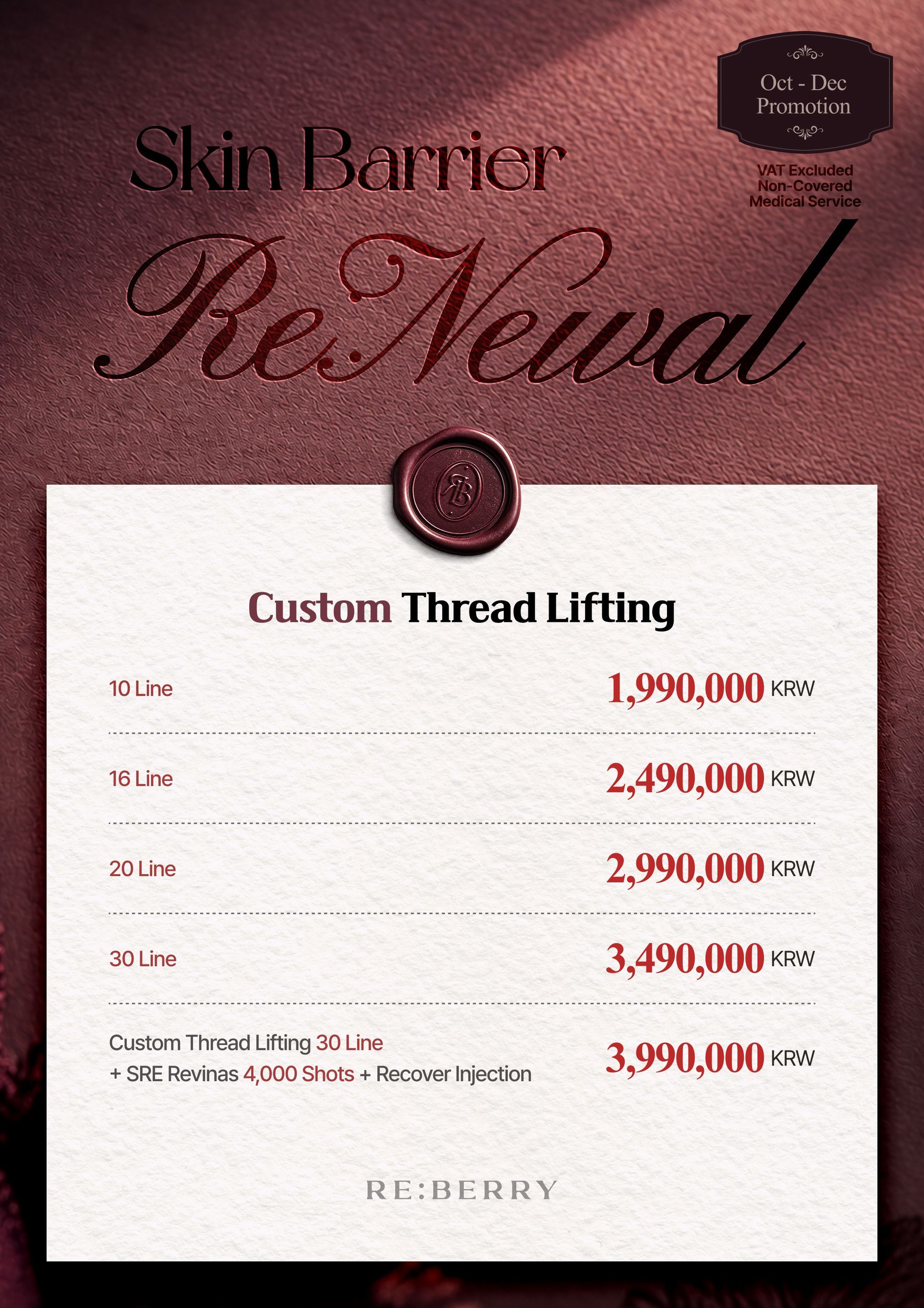
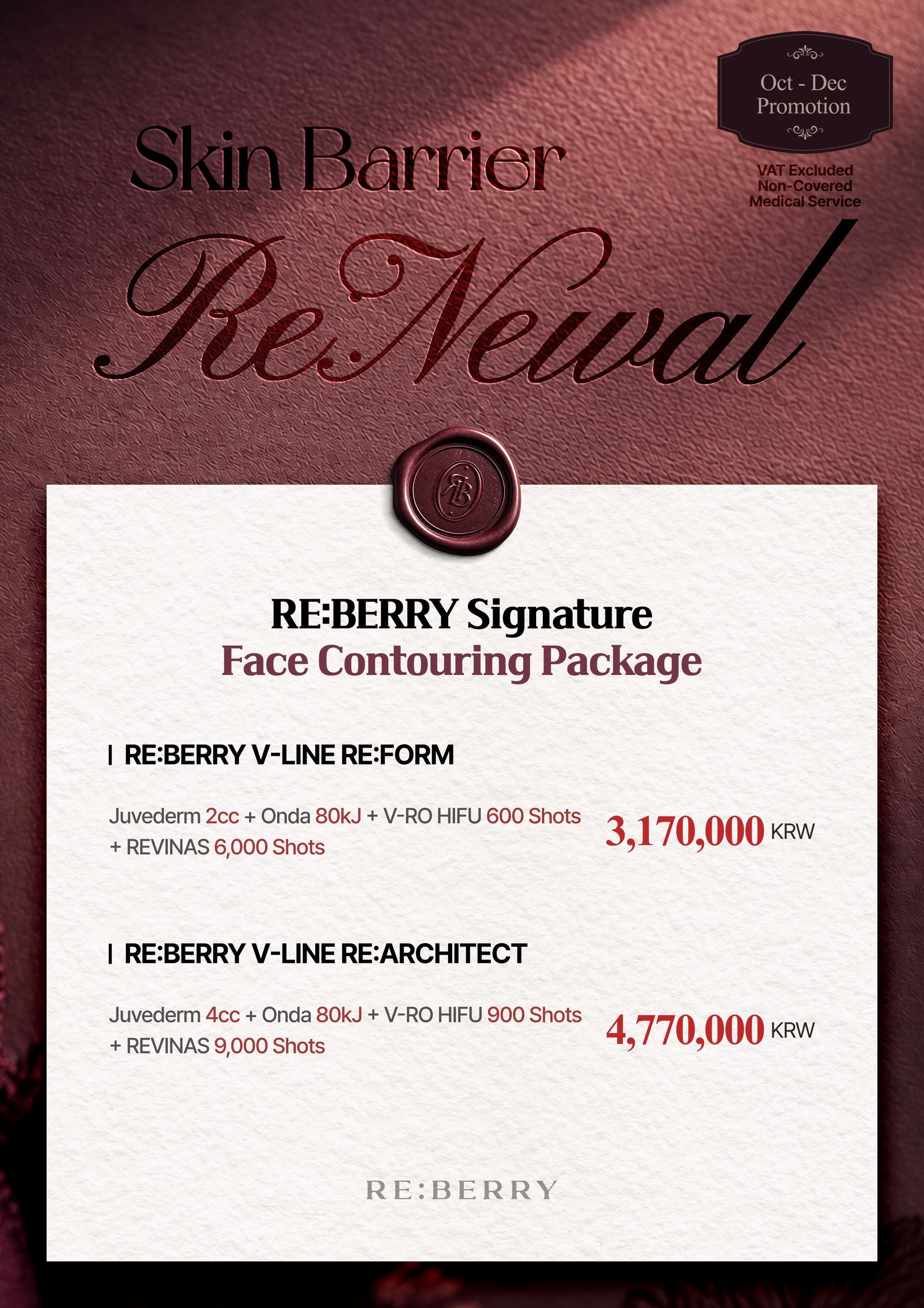
Some clinics also add threads, fillers or skin boosters. Always ask exactly which devices and products are included in a "facelift" package. A page explaining laser facelift treatments in Seoul outlines the typical components.
How does a non-surgical facelift work?
All of these treatments use controlled heat. When tissue is heated to the right temperature, existing collagen contracts and the body starts a repair process that produces new collagen and elastin over two to six months. The result is firmer skin, a slightly lifted contour and improved texture. The skin is not cut, so there are no stitches or scars, and most people return to normal life the same day.
Non-surgical facelift vs surgical facelift
| Factor | Non-surgical / laser facelift | Surgical facelift |
|---|---|---|
| Method | Heat energy to tighten and stimulate collagen | Incisions, lifting the SMAS and removing excess skin |
| Anaesthesia | Numbing cream, sometimes oral pain relief | Local with sedation, or general anaesthesia |
| Downtime | None to a few days | Usually two weeks or more of visible swelling and bruising |
| Degree of lift | Subtle to moderate | Significant |
| When results show | Gradually over two to six months | Visible once swelling settles, refined over months |
| How long results last | Often around one year, then maintenance | Commonly many years |
| Best for | Mild to moderate laxity, prevention | Moderate to severe laxity, excess skin |
The honest summary: a non-surgical facelift can delay surgery and improve early ageing, but it cannot reproduce a surgical result.
Who is a good candidate?
- People in their 30s to 50s with early jowling, a softening jawline or mild neck laxity.
- Those who want a refreshed look without surgery, scars or long recovery.
- Patients who previously had surgery and want to maintain results.
- Visitors with a short stay in Seoul.
It is less suitable if you have heavy jowls, loose folds of skin, or significant neck banding. A consultation with a surgeon is more realistic in those cases. For those comparing options, an overview of non-surgical facelift options in Korea sets out the alternatives side by side.
What is recovery like?
Recovery depends on the devices used. After ultrasound or radiofrequency, expect mild redness, warmth and some tenderness along the jawline for a few days. If an ablative or fractional laser is part of the plan, the skin may look red, feel rough or flake for several days, and strict sun protection is needed. Threads or fillers add the possibility of swelling, bruising or tenderness for up to a week or two.
Plan your flights and events around the most intensive part of your package, not the gentlest.
Red flags when booking a "laser facelift"
- A package price that does not state device names, shot counts or areas.
- Claims of "surgical results without surgery" or "permanent" lifting.
- No doctor consultation before treatment.
- Very cheap offers that may mean reduced shot counts or non-genuine tips and cartridges.
- Pressure to add treatments on the day.
Safety and contraindications
Energy treatments are usually avoided in pregnancy, over infection or open wounds, and soon after facial surgery. Radiofrequency is often unsuitable for people with pacemakers or implanted electronic devices. Tell your doctor about fillers, threads, metal implants, a tendency to pigmentation or keloid scarring, and any medication that thins the blood. Rare complications include burns, blisters, nerve irritation, numbness and pigment changes, which are more likely with poor technique or excessive energy.
Frequently asked questions
Is a laser facelift permanent?
No. It stimulates new collagen, but ageing continues. Results often last around a year and are commonly maintained with repeat sessions.
Does it hurt?
Most people feel heat or a deep prickling, strongest over bony areas. Numbing cream and adjusted settings usually keep it manageable.
How many sessions do I need?
Many lifting devices are used as a single session, repeated every 6 to 18 months. Laser components may be done as a short course.
Can I fly straight after?
After ultrasound or radiofrequency, usually yes. If ablative laser or threads are included, ask your doctor about timing.
At what age should I consider surgery instead?
It depends on your skin rather than age alone. If you need to pull a lot of skin to see the look you want, surgery is often the more realistic option.
This article is general information, not medical advice. Non-surgical lifting results vary widely, so ask a qualified doctor which devices suit your skin and whether surgery would be more appropriate.