Non-Surgical Facelift in Seoul, Korea
Gangnam Re:berry Clinic
Non-Surgical Facelift in Seoul, Korea
Facial Lifting & Rejuvenation at RE:BERRY Clinic Gangnam
A Non-Surgical Facelift is an advanced aesthetic treatment designed to lift sagging skin, restore facial contours, and reduce fine lines without the need for surgery. At RE:BERRY Clinic Gangnam, non-surgical facelift treatments are carefully customized to achieve a natural, youthful appearance while enhancing facial harmony and definition.
Using a combination of dermal fillers, Botox, threads, or energy-based technologies, this treatment targets key areas of the face to lift, tighten, and rejuvenate skin safely and effectively.
Why Get a Non-Surgical Facelift in Gangnam?
Gangnam is widely known as Seoul’s center for advanced dermatology and aesthetic treatments. At RE:BERRY Clinic Gangnam, patients receive personalized non-surgical facelift treatments based on facial structure, skin condition, and aesthetic goals.
The clinic offers:
- Customized lifting and contouring techniques
- Comprehensive facial assessment and symmetry analysis
- Natural-volume restoration and skin tightening
- Foreigner-friendly service for international patients
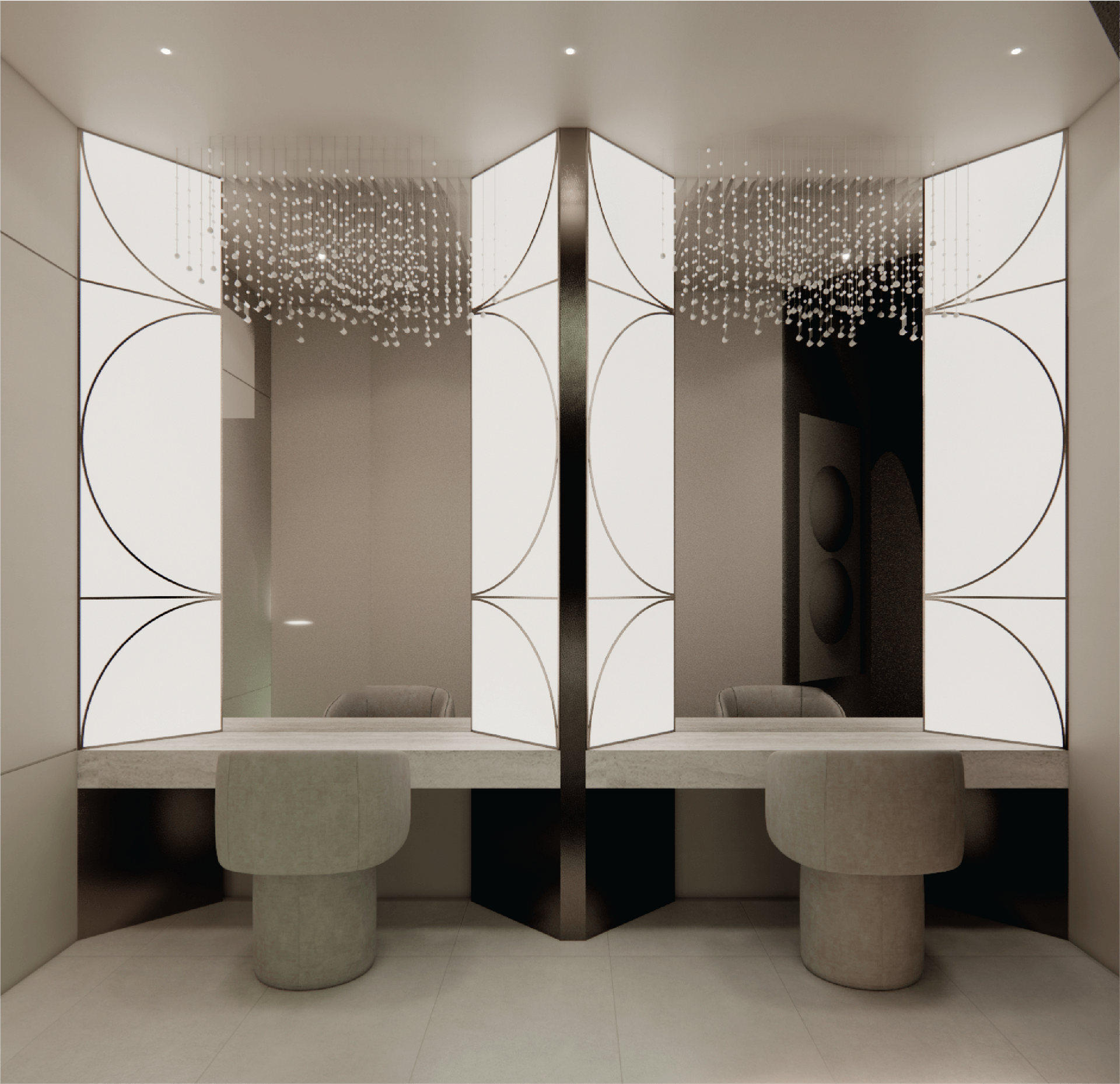
- Comfortable and professional treatment environment
Benefits of a Non-Surgical Facelift
Non-surgical facelift treatments at RE:BERRY Clinic help:
✔ Lift and tighten sagging skin
✔ Smooth fine lines and wrinkles
✔ Restore facial contours and volume
✔ Enhance overall facial symmetry and balance
✔ Deliver immediate, natural-looking results without surgery
What to Expect During Treatment
A typical non-surgical facelift session includes:
Treatment time: Approximately 30–60 minutes
Preparation: Cleansing and optional numbing
Recovery: Minimal downtime; mild swelling or redness may occur
Treatment plan: Multiple sessions may be recommended depending on treatment method and individual needs
After treatment, patients are advised to follow post-care instructions, avoid excessive facial pressure, and maintain routine skincare to optimize and prolong results.
Non-Surgical Facelift at RE:BERRY Clinic Gangnam
At RE:BERRY Clinic, non-surgical facelift treatments are designed to rejuvenate and enhance facial features safely and effectively through advanced techniques and personalized care.
Whether you are visiting Seoul or living in Korea, RE:BERRY Clinic provides a premium, foreigner-friendly facial lifting experience in Gangnam.
📍 RE:BERRY Clinic Gangnam, Seoul
💌 Book your consultation for a personalized non-surgical facelift treatment