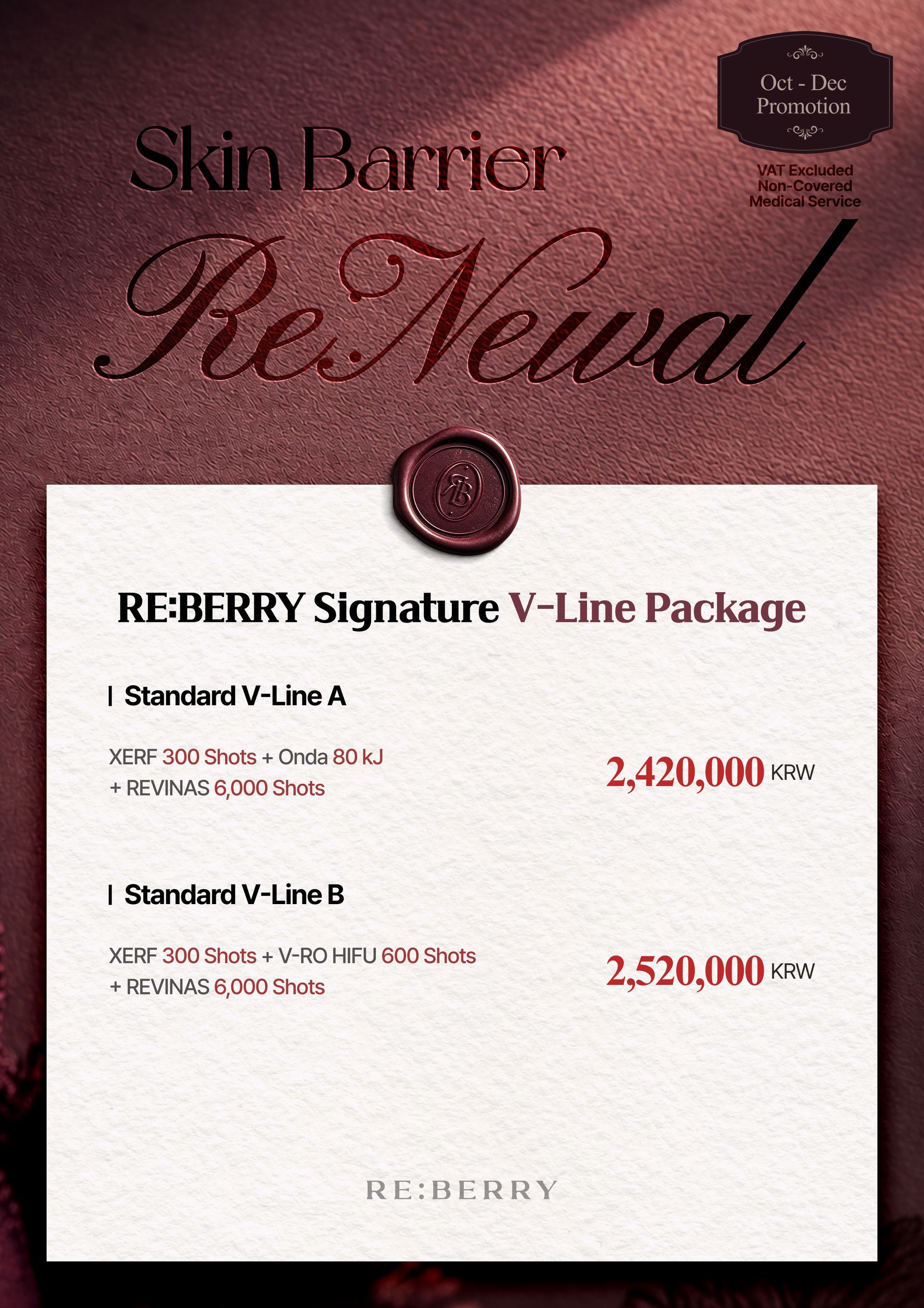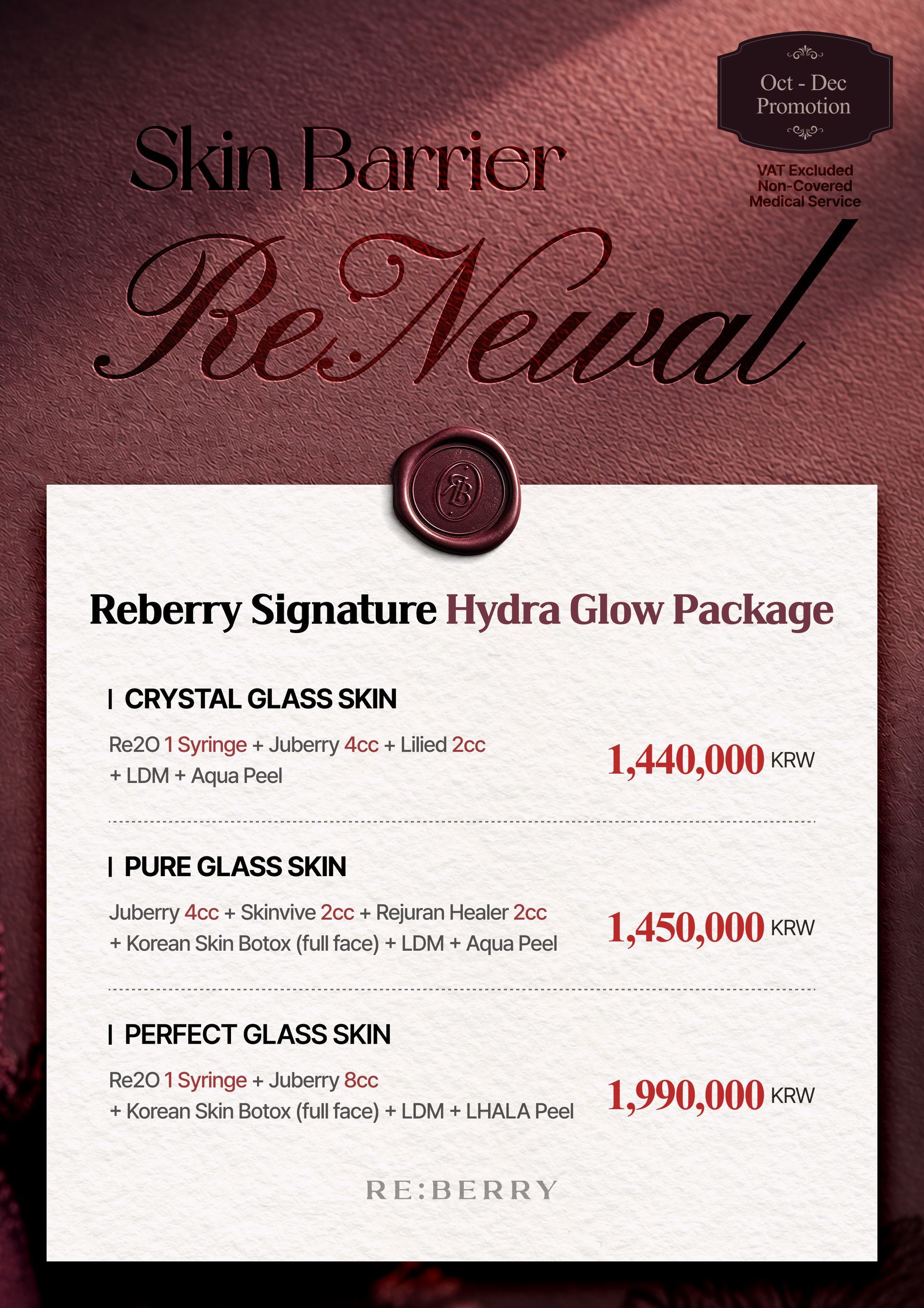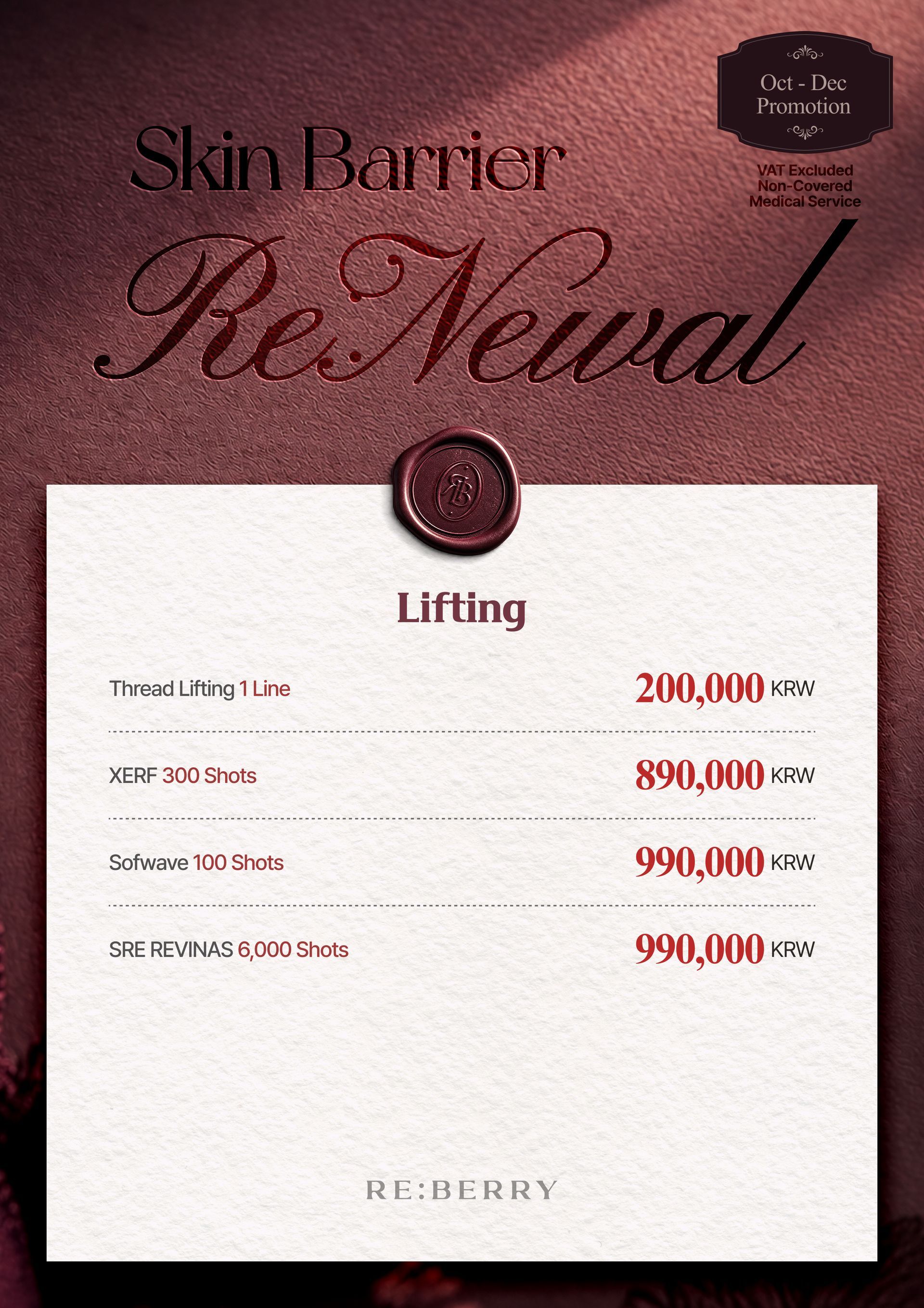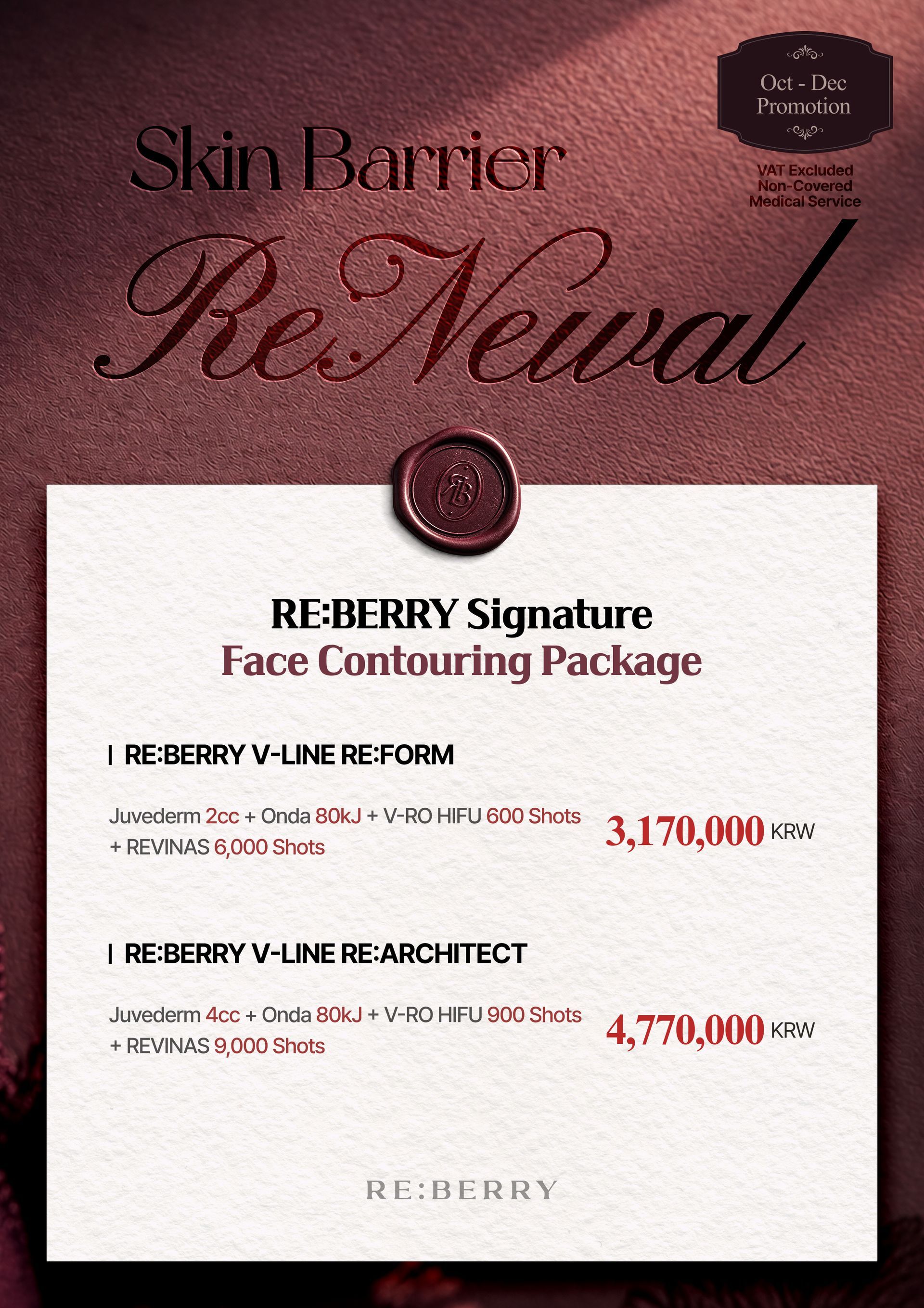
VAT Rules for Foreign Patients in Korea: 2026 Guide
Quick Answer: Do Foreign Patients Pay VAT on Medical Treatment in Korea?
It depends on the type of medical service. Many ordinary medical and healthcare services in Korea are VAT-exempt, while specified cosmetic procedures and aesthetic treatments can be subject to VAT. Importantly, Korea's special VAT-refund program for eligible cosmetic medical services provided to foreign tourists applied to qualifying services supplied through December 31, 2025. Under the current 2026 law, patients should not assume that cosmetic treatment received in 2026 qualifies for the former tourist medical VAT refund.
This distinction is important because many older websites still tell international patients that they can automatically receive a VAT refund after cosmetic surgery or dermatology treatment in Korea.
For treatment received in 2026, that information may be outdated.
Korea Medical VAT Rules at a Glance
SituationGeneral 2026 PositionOrdinary qualifying medical careGenerally VAT-exemptSpecified cosmetic surgeryCan be subject to VATSpecified cosmetic dermatologyCan be subject to VATCosmetic dental procedures specified by tax rulesCan be subject to VATForeigner receiving taxable cosmetic treatmentVAT status does not disappear because patient is foreignOld foreign-tourist cosmetic VAT refundApplied to eligible services supplied through Dec. 31, 2025Cosmetic treatment received in 2026Do not assume old VAT refund appliesKorean National Health InsuranceSeparate issue from VATPrivate/travel insuranceSeparate issue from VAT
Always confirm the final VAT-inclusive price directly with the medical institution before treatment.
The Most Important 2026 Change for Medical Tourists
For years, Korea operated a special VAT refund system for foreign tourists receiving certain cosmetic medical services.
This is why many international-patient websites contain statements such as:
“Foreign tourists can receive a 10% VAT refund on cosmetic surgery in Korea.”
That statement should not be carried forward automatically into 2026.
Under Article 107-3 of Korea's Act on Restriction on Special Cases Concerning Taxation, the special refund applied when an eligible foreign tourist received qualifying cosmetic medical services at a registered medical institution by December 31, 2025.
Therefore, as of 2026:
Foreign patients should not assume they can claim the former cosmetic medical VAT refund for treatments received in 2026.
This is especially important for patients comparing Korean clinic prices based on older blogs, social-media posts or clinic pages.
Does Korea Charge VAT on All Medical Treatment?
No.
Korea does not simply add VAT to every hospital or clinic bill.
Many healthcare services provided by qualified medical professionals fall within Korea's VAT-exempt medical-service framework.
However, Korean tax rules specifically exclude certain appearance-focused procedures from that medical VAT exemption.
Those services can therefore be taxable.
This creates two broad categories:
VAT-Exempt Medical Services
Many ordinary services involving the diagnosis, prevention and treatment of disease fall within the medical VAT exemption.
Taxable Cosmetic Medical Services
Certain treatments performed primarily for cosmetic purposes are specifically excluded from the medical-service VAT exemption.
This distinction matters much more than the patient's nationality.
Do Foreigners Pay Different VAT Than Korean Patients?
Being a foreign patient does not automatically make a taxable cosmetic procedure VAT-free.
VAT treatment is primarily determined by the nature of the service and applicable Korean tax rules.
Therefore, a tourist should not assume:
“I am a foreigner, so I do not have to pay Korean VAT.”
That is incorrect.
Historically, eligible foreign tourists could pay VAT on qualifying cosmetic services and then use the special refund mechanism when all statutory conditions were satisfied.
The special medical-tourist refund provision, however, was limited to eligible services supplied through December 31, 2025.
Which Cosmetic Surgeries Can Be Subject to VAT?
Korean VAT regulations specifically identify several types of cosmetic surgery that fall outside the ordinary medical VAT exemption.
Examples include:
- Double-eyelid surgery
- Cosmetic rhinoplasty
- Breast augmentation
- Cosmetic breast reduction
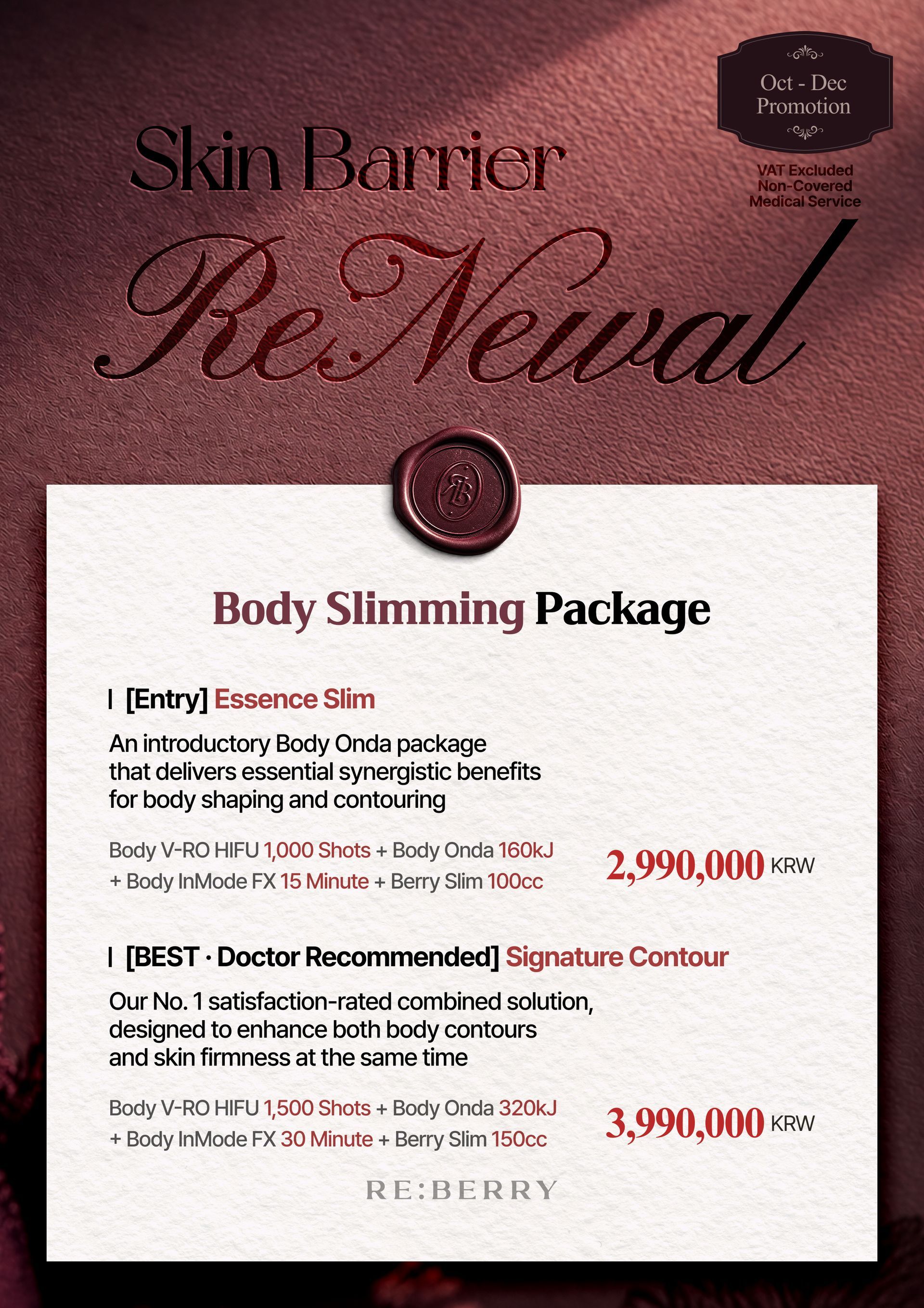
- Liposuction
- Wrinkle-removal surgery
- Facial contouring surgery
- Certain cosmetic dental procedures
The tax rules distinguish elective cosmetic procedures from certain reconstructive procedures.
For example, treatment associated with reconstruction following cancer surgery, congenital deformities or tumor removal can be treated differently from purely cosmetic surgery.
The medical purpose of the procedure therefore matters.
Does Plastic Surgery in Korea Have VAT?
Many elective cosmetic plastic-surgery procedures can be subject to Korean VAT.
Examples may include:
Facial Plastic Surgery
- Double-eyelid surgery
- Cosmetic rhinoplasty
- Facelift procedures
- Facial contouring
- Other elective appearance-focused surgery
Body Contouring
- Liposuction
- Elective cosmetic body-contouring procedures
Breast Surgery
Elective cosmetic breast augmentation or reduction can fall within taxable cosmetic services, while certain medically reconstructive procedures can be treated differently.
Patients should ask the clinic whether the quoted surgery price is:
VAT included
or
VAT excluded
before comparing prices.
Does Cosmetic Dermatology Have VAT in Korea?
Many specified elective aesthetic dermatology services can fall outside Korea's medical VAT exemption.
Korean VAT regulations specifically identify categories including:
- Pigmented-nevus treatment
- Freckle treatment
- Dark-spot treatment
- Melasma treatment
- Acne treatment
- Hair removal
- Hair-loss treatment
- Hair transplantation
- Tattooing
- Tattoo removal
- Piercing
- Fat-dissolving treatment
- Skin rejuvenation
- Skin whitening
- Anti-aging treatment
- Pore-reduction treatment
This means patients should not assume that a treatment becomes VAT-exempt simply because it is performed by a doctor or inside a medical clinic.
Does Laser Treatment Have VAT?
It depends on the medical purpose of the treatment.
The term “laser treatment” describes a technology rather than a tax category.
A laser used as part of medically qualifying treatment may have a different VAT treatment from a laser used primarily for cosmetic improvement.
For example, appearance-focused treatments involving:
- Pigmentation
- Freckles
- Melasma
- Skin rejuvenation
- Skin whitening
- Pore appearance
- Anti-aging
- Hair removal
- Tattoo removal
can fall within categories specifically excluded from the ordinary medical VAT exemption.
Patients should therefore ask about the exact procedure rather than simply asking:
“Does laser have VAT?”
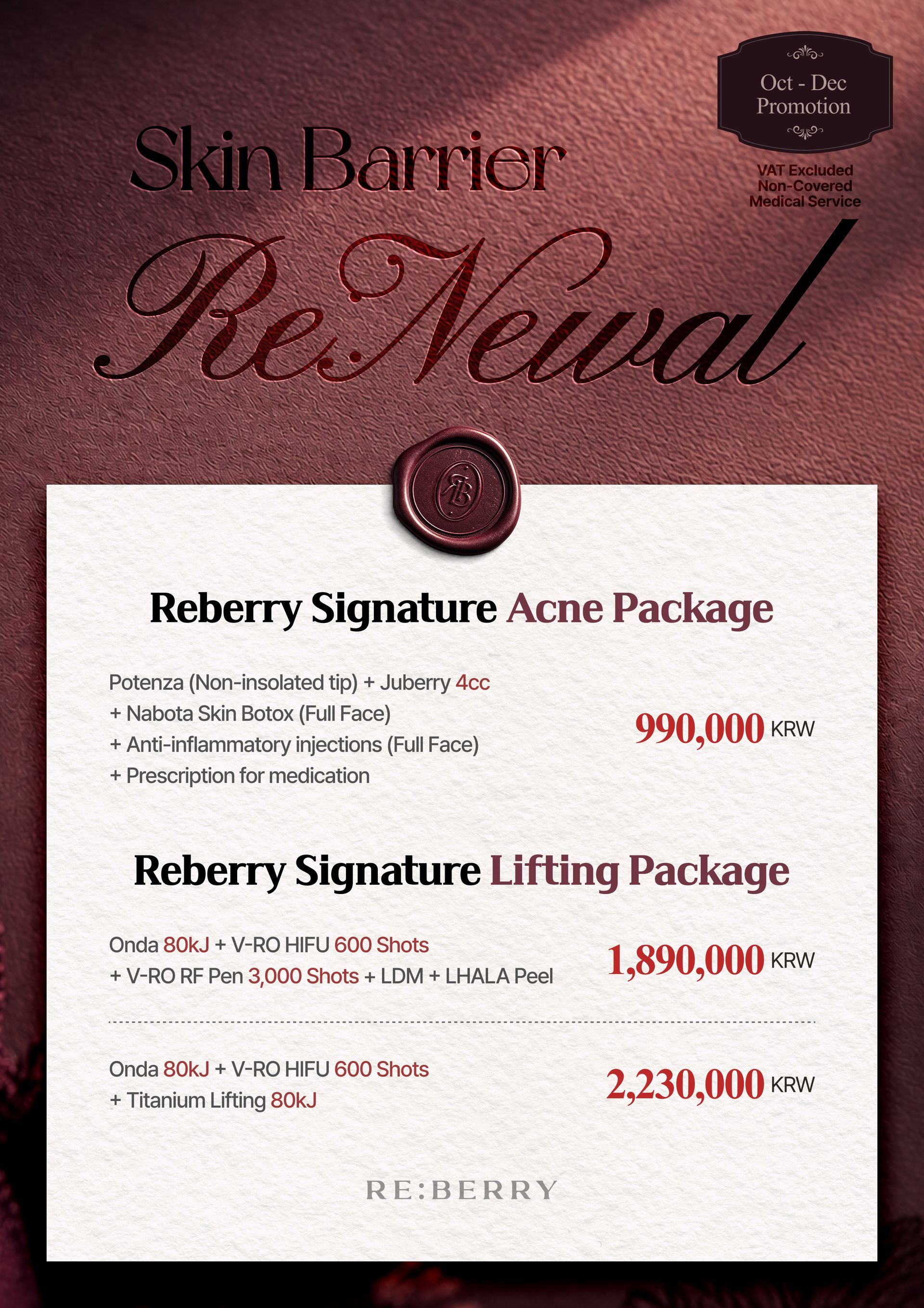
Does Acne Treatment Have VAT in Korea?
Korean VAT regulations specifically include acne treatment among the listed categories excluded from the ordinary medical-service VAT exemption under the relevant rule.
However, the tax treatment of a particular medical bill depends on the actual services supplied.
A patient receiving a consultation, diagnostic services, medications and elective procedures should not assume that every component of the visit necessarily has identical VAT treatment.
Ask the clinic for the final treatment price and whether VAT applies to the specific services you are purchasing.
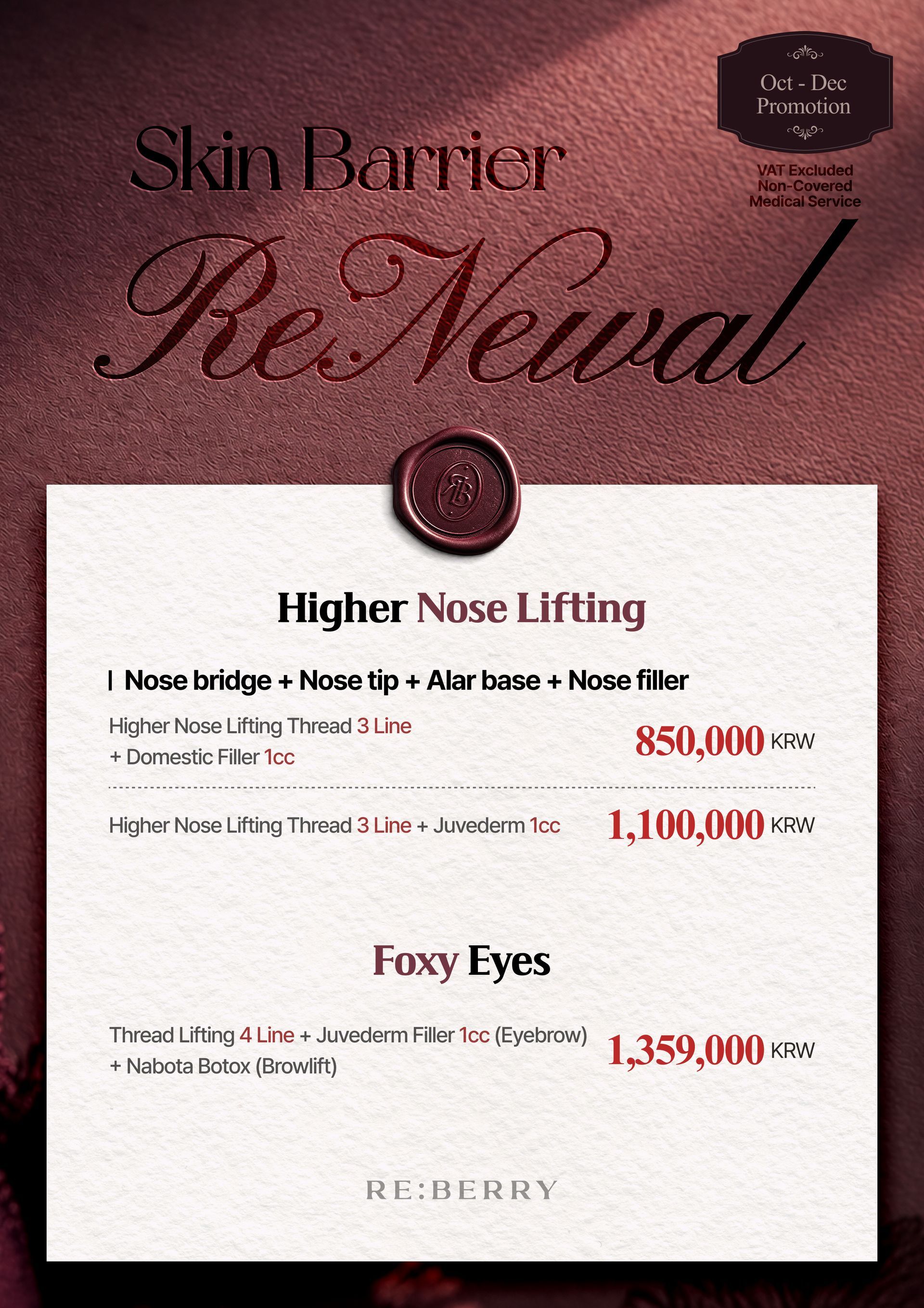
What About Botox, Fillers and Skin Boosters?
Aesthetic injectables should be evaluated according to their purpose and applicable tax classification.
International patients commonly receive treatments such as:
- Cosmetic Botox
- Dermal fillers
- Rejuran
- Juvelook
- Skin boosters
- Collagen-stimulating injections
- Other anti-aging injectable treatments
When these services are provided primarily for elective cosmetic or anti-aging purposes, patients should ask whether the clinic's displayed price already includes VAT.
Do not assume that a promotional price automatically represents the final amount payable.
What About Thermage and Ultherapy?
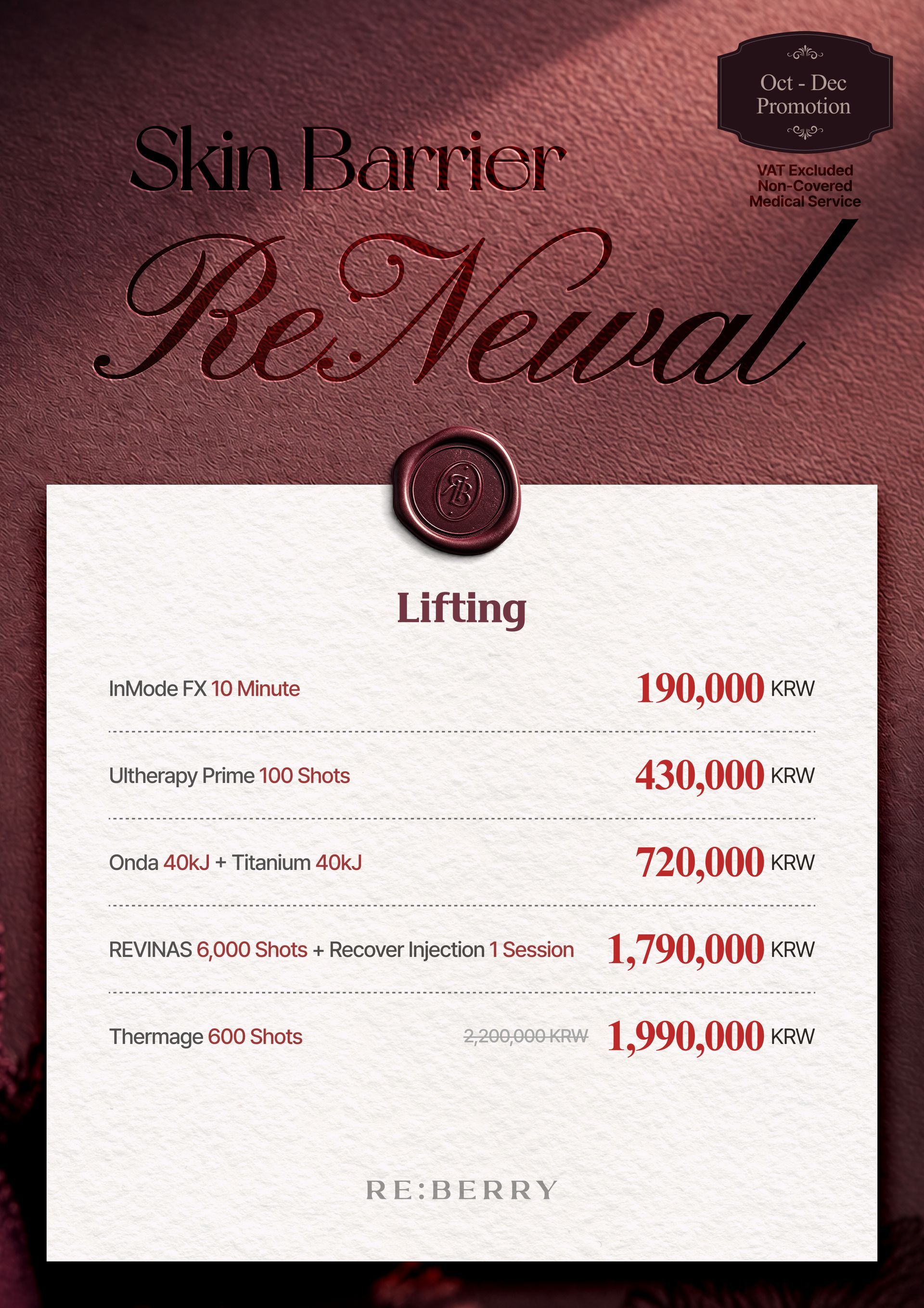
Treatments such as Thermage and Ultherapy are commonly purchased for cosmetic anti-aging, lifting or skin-tightening purposes.
Because Korean VAT regulations specifically exclude certain anti-aging and skin-rejuvenation services from the ordinary medical VAT exemption, international patients should verify the VAT treatment and final all-inclusive price with the clinic.
This is particularly important when comparing quotations from several Seoul clinics.
One clinic may advertise a VAT-inclusive price while another quotation may be presented differently.
What Happened to Korea's Cosmetic Surgery VAT Refund?
Korea introduced a special system allowing qualifying foreign tourists to receive refunds of VAT paid on certain cosmetic medical services.
The program became widely used by medical tourists visiting Korea for plastic surgery and aesthetic treatment.
Under the statutory framework, eligibility depended on conditions such as:
- Being an eligible foreign tourist
- Receiving an eligible cosmetic medical service
- Using a qualifying registered medical institution
- Following the prescribed refund process
However, the current law specifies that the eligible medical service had to be supplied by December 31, 2025.
That date is crucial.
Can I Get a Cosmetic Surgery VAT Refund in Korea in 2026?
Under the current law, do not assume so.
The special provision specifically covers qualifying cosmetic medical services received through:
December 31, 2025
Therefore, someone receiving cosmetic treatment in Seoul in September 2026 should not rely on the old foreign-tourist VAT refund program when calculating treatment costs.
This means an old article saying:
“Foreign tourists can get their cosmetic surgery VAT refunded before leaving Korea.”
needs a 2026 update.
For current treatment, ask the clinic:
“Is VAT included in this price?”
rather than assuming:
“Can I get the VAT back at the airport?”
What If My Treatment Was Received Before December 31, 2025?
The old program had its own eligibility and procedural requirements.
Under the legislation, eligible foreign tourists receiving qualifying services were required to submit the relevant medical-service documentation to the refund operator within the prescribed period.
The law specified a three-month period from the date the qualifying medical service was supplied for submission under the refund process.
This historical rule should not be confused with treatment newly received in 2026.
Why Are Old Korean Clinic Websites Confusing?
Because Korea's foreign-tourist cosmetic VAT refund system existed for years.
Older clinic pages may still contain statements such as:
“Get 10% VAT refund.”
“Tax refund available for foreign patients.”
“Claim your cosmetic surgery tax at the airport.”
Those pages may have been accurate for eligible treatment under the former program.
But tax incentives can have statutory expiration dates.
For treatment received in 2026, patients should check the current rule and current clinic pricing, rather than relying on undated medical-tourism content.
Is the VAT Refund the Same as a Tax-Free Shopping Refund?
No.
This distinction is very important.
Korea has tax-refund rules for qualifying goods purchased by foreign tourists.
The former foreign-tourist cosmetic medical VAT refund was a separate special provision specifically addressing eligible cosmetic medical services.
Therefore:
Tax refund on shopping ≠ medical treatment VAT refund
The expiration of the special cosmetic-medical provision does not mean Korea's entire tourist tax-refund system has disappeared.
Is VAT the Same as Korean National Health Insurance?
No.
These are completely separate concepts.
VAT
VAT is a consumption tax that can apply to certain taxable services.
National Health Insurance
Korea's National Health Insurance determines coverage and patient cost-sharing for eligible healthcare services.
A treatment being:
비급여 (non-covered by NHIS)
does not by itself answer every VAT question.
Likewise, a treatment being VAT-exempt does not automatically mean that Korean National Health Insurance pays for it.
Patients should treat insurance coverage and VAT status as separate questions.
Does Travel Insurance Refund Korean VAT?
Travel insurance and Korean VAT are separate systems.
Whether an insurer reimburses a medical expense depends on the patient's insurance policy.
Even if an insurance company reimburses some medical costs, that does not automatically change the Korean tax classification of the medical service.
Elective cosmetic procedures are also commonly excluded from ordinary travel-health insurance policies.
How to Compare Korean Clinic Prices Correctly
International patients frequently compare prices online.
Suppose:
Clinic A: ₩1,000,000
Clinic B: ₩1,050,000
You might immediately assume Clinic A is cheaper.
But first determine:
Is VAT included?
Is consultation included?
Is anesthesia included?
Is medication included?
Is aftercare included?
Is the quoted treatment specification identical?
Are there additional facility or procedure fees?
The correct comparison is the final amount you are expected to pay, not simply the largest number shown on an advertisement.
Ask Whether the Price Includes VAT
Before booking, ask:
“Does this price include VAT?”
In Korean:
부가세 포함인가요?
Bugase poham-ingayo?
You can also ask:
“What is the total price including VAT?”
부가세 포함 총 금액이 얼마인가요?
This is particularly useful when arranging treatment through WhatsApp, LINE, email or another international-patient channel.
Example: Cosmetic Treatment Quote
Imagine a foreign visitor receives a quotation for an aesthetic procedure.
The clinic says:
Treatment price: ₩2,000,000
Before paying a deposit, ask:
“Is ₩2,000,000 the final price including VAT?”
This is better than assuming that ₩2,000,000 represents the complete payment.
For treatment received in 2026, you should also avoid budgeting on the assumption that any VAT charged can later be reclaimed through the old foreign-patient cosmetic VAT refund scheme.
What Should Foreign Patients Ask Before Paying?
Use this checklist:
1. Is this treatment subject to VAT?
Ask about the specific service.
2. Is VAT already included in the quoted price?
This makes price comparison much easier.
3. What is the final amount payable?
Ask for the total rather than only the base treatment price.
4. Are consultation fees included?
Some treatment quotations may not include every component.
5. Are medication and aftercare included?
This can matter after surgery and higher-downtime procedures.
6. Is a deposit required?
Confirm how the deposit is applied to the final balance.
7. What is the cancellation or refund policy?
This is separate from a VAT refund.
8. Is the clinic referring to an old tourist VAT refund program?
If you are receiving treatment in 2026, confirm that any tax-refund statement actually applies to your treatment date under current rules.
Frequently Asked Questions
Do foreigners pay VAT at Korean clinics?
Foreign status alone does not exempt a patient from VAT. Whether VAT applies depends primarily on the medical service and Korean tax rules.
Do tourists pay VAT on plastic surgery in Korea?
Specified elective cosmetic surgery can fall outside the medical VAT exemption and therefore be taxable.
Is cosmetic dermatology subject to VAT in Korea?
Specified cosmetic dermatology services, including several appearance-focused skin treatments, are excluded from the ordinary medical VAT exemption.
Can foreigners get a VAT refund for cosmetic surgery in Korea in 2026?
The special statutory foreign-tourist refund provision applies to qualifying cosmetic medical services supplied through December 31, 2025. Patients receiving new treatment in 2026 should not assume the former program applies.
Did Korea end the cosmetic surgery VAT refund?
The current legislation specifies December 31, 2025 as the final service-supply date for the special foreign-tourist cosmetic medical VAT refund provision.
Is the VAT rate 10% in Korea?
Korea's standard VAT rate is 10%. However, whether a particular medical service is taxable or exempt must first be determined.
Does Korean dermatology have VAT?
Some aesthetic dermatology services can be taxable, while medical services falling within the VAT exemption are treated differently.
Does laser treatment have VAT?
It depends on the nature and purpose of the procedure. Cosmetic pigmentation, skin rejuvenation, whitening, anti-aging and other specified aesthetic services can fall outside the medical VAT exemption.
Does acne treatment have VAT?
Acne treatment appears among the specified categories excluded from the ordinary medical-service VAT exemption under Korea's VAT regulations. The actual treatment components on a particular bill should be confirmed with the clinic.
Is Botox subject to VAT?
Cosmetic Botox and other elective aesthetic treatments should be quoted on a final-price basis with the clinic confirming whether VAT is included.
Are Thermage and Ultherapy subject to VAT?
Because these are commonly provided as elective anti-aging or skin-rejuvenation treatments, patients should confirm the VAT treatment and VAT-inclusive final price with the clinic.
Is VAT included in Korean clinic prices?
Not necessarily in every advertisement or quotation. Ask whether the displayed or quoted price is VAT-inclusive.
Is a VAT refund the same as a clinic refund?
No. A tax refund and a refund from a clinic after cancellation or treatment are completely separate matters.
Is medical VAT the same as Korean health insurance?
No. VAT taxation and National Health Insurance coverage are separate legal and financial questions.
Can I still get a tax refund for shopping in Korea?
Korea's tourist tax-refund system for qualifying goods is separate from the special cosmetic-medical VAT refund provision discussed on this page.
Bottom Line
Foreign patients should not assume that medical treatment in Korea is automatically VAT-free, and they should not assume that VAT charged on cosmetic treatment in 2026 can be reclaimed under the old foreign-tourist cosmetic VAT refund system.
Many ordinary qualifying medical services are VAT-exempt.
However, Korean tax regulations exclude specified cosmetic procedures from that exemption, including categories of cosmetic surgery, pigmentation treatment, acne treatment, hair removal, skin rejuvenation, skin whitening and anti-aging treatment.
Most importantly for medical tourists:
The special foreign-tourist VAT refund provision for eligible cosmetic medical services applies to qualifying services supplied through December 31, 2025.
For treatment received in 2026, the safest way to compare Seoul clinic prices is therefore to ask:
“What is the final price including VAT?”
rather than calculating your budget on the assumption that VAT will later be refunded.