How Long Should I Stay in Korea After Skin Treatment?
Quick Answer: How Many Days Should I Stay in Korea After Skin Treatment?
For many low-downtime cosmetic skin treatments, international patients do not necessarily need to remain in Korea for an extended recovery period. However, the ideal stay depends heavily on the procedure. Simple injectables and non-ablative treatments may fit into a short trip, while aggressive acne-scar treatment, fractional resurfacing, ablative CO2 laser or procedures requiring wound care may justify several additional days or longer in Korea.
A useful planning framework is:
Low downtime → often 1–2 days of schedule flexibility
Moderate downtime → consider 3–7 days
Higher-downtime resurfacing → often 7+ days or according to your doctor's follow-up plan
These are travel-planning ranges, not medical clearance rules. Your treating physician's recommendation should take priority.
Skin Treatment in Korea: Suggested Travel Planning
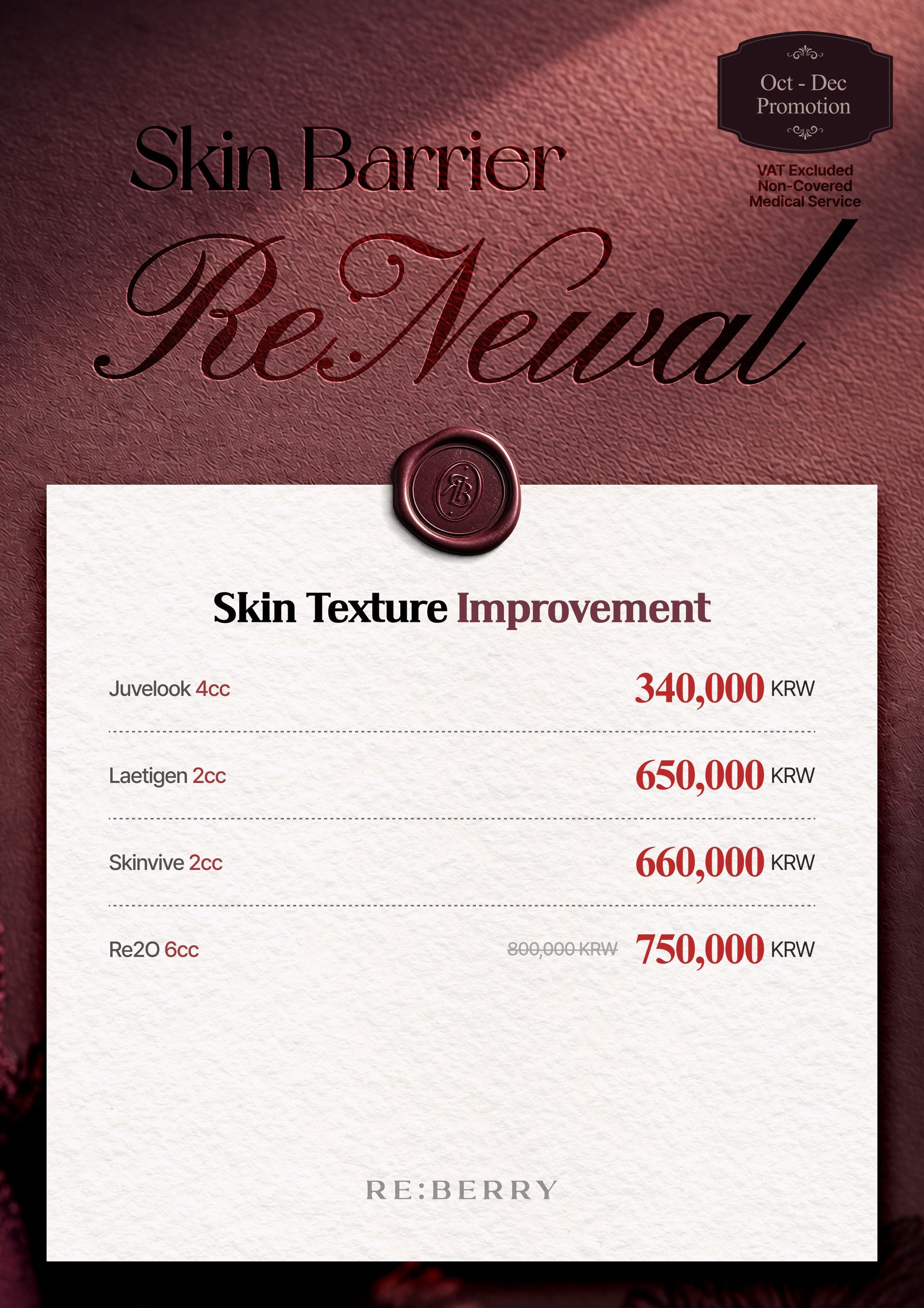
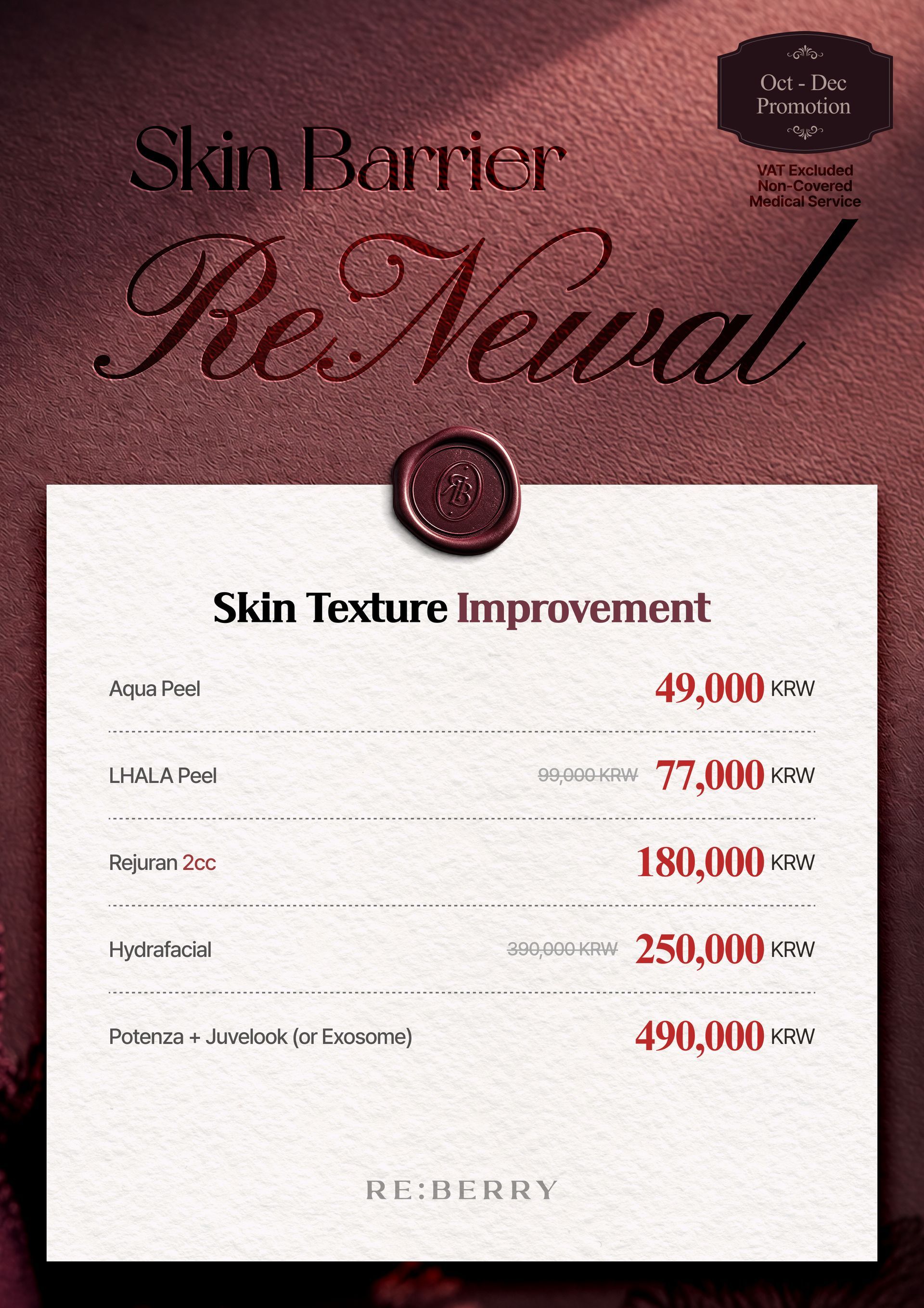
TreatmentGeneral Downtime CategoryTravel PlanningCosmetic BotoxLowShort stay often practicalSimple fillersLow to moderateAllow time for swelling/bruisingRejuranLow to moderateConsider 1–3 daysJuvelookLow to moderateConsider 1–3 daysSkin boostersLow to moderateConsider 1–3 daysThermageLowShort stay often practicalUltherapyLow to moderateShort stay often practicalOligio/RF tighteningLowShort stay often practicalGentle Pico toningLowOften 1–2 days sufficient for logisticsPigment spot laserLow to moderateConsider several days if crusting expectedVascular laserLow to moderateAllow for redness/bruisingRF microneedlingModerateConsider 2–4 daysAcne scar combination treatmentModerate to highConsider 3–7+ daysFractional laser resurfacingModerate to highConsider around 7 days or physician adviceAblative CO2 resurfacingHighConsider 7–14+ days depending on intensityDeep resurfacing/peelHighLonger recovery may be necessary
Important: Device settings, treatment area, combination procedures and individual healing response can change downtime substantially.
There Is No Single “Correct” Number of Days
This is one of the biggest mistakes international patients make when planning cosmetic treatment in Korea.
They ask:
“How many days do I need in Seoul for skin treatment?”
But “skin treatment” can mean anything from a low-downtime facial procedure to aggressive ablative resurfacing.
The better question is:
“How many days should I remain near the clinic after this exact procedure at the planned treatment intensity?”
The answer depends on:
- Treatment type
- Device
- Treatment intensity
- Number of procedures
- Treatment area
- Skin type
- History of pigmentation
- Previous reactions
- Expected swelling
- Wound-care requirements
- Need for follow-up
Your flight schedule should be discussed before the treatment plan is finalized.
How Long Should I Stay After Botox?
Cosmetic Botox is generally considered a low-downtime treatment.
International patients commonly incorporate Botox into short visits because extensive skin healing is not normally expected.
However, temporary effects such as:
- Injection-site redness
- Mild swelling
- Tenderness
- Bruising
can occur.
If Botox is the only treatment you are receiving, an extended stay solely for skin recovery may not be necessary.
Still, follow your physician's post-treatment instructions and ask whether your individual treatment requires follow-up.
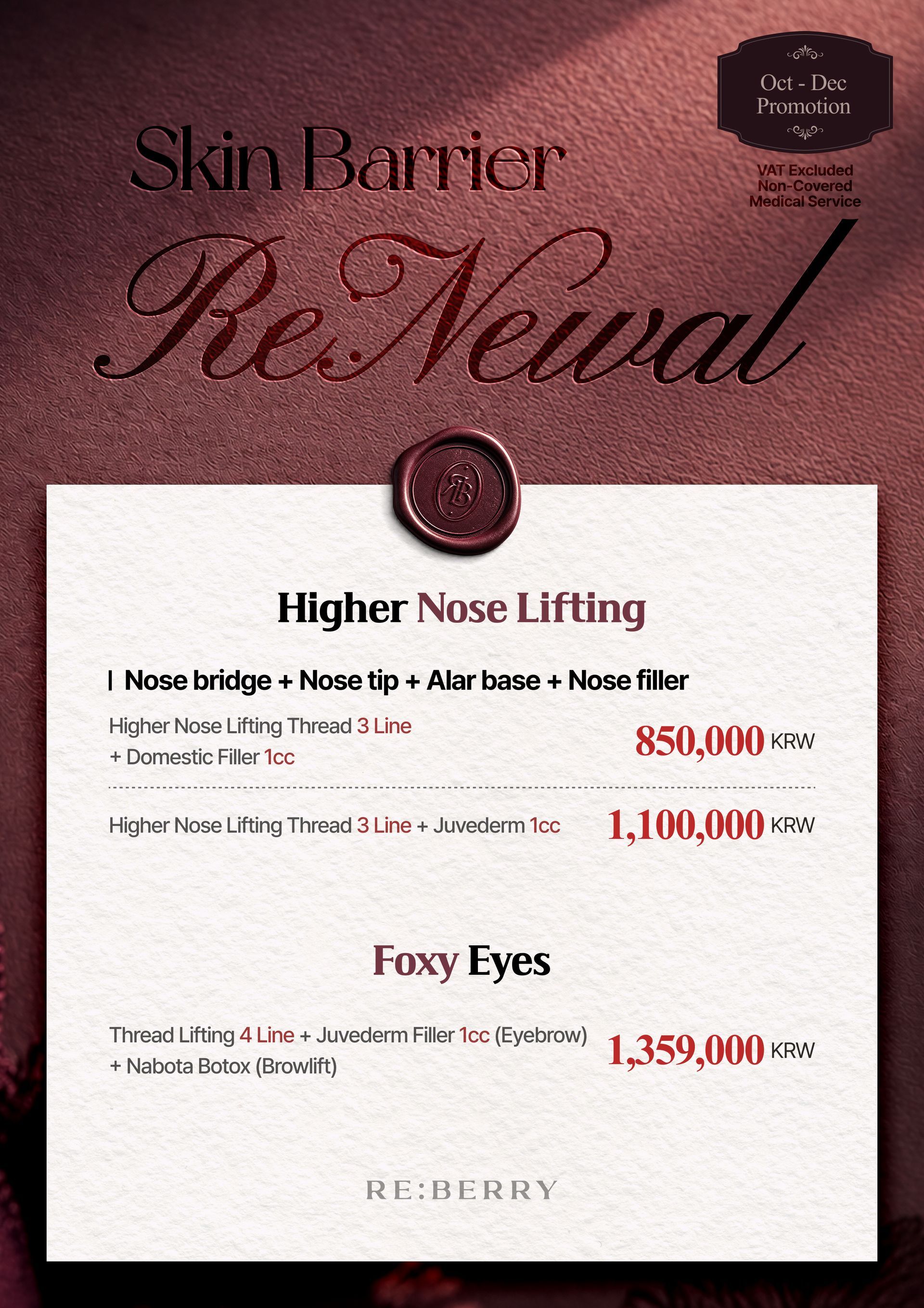
How Long Should I Stay After Fillers?
Fillers require slightly more travel planning because swelling and bruising can occur.
Depending on the treatment area, temporary swelling may be particularly noticeable around:
- Lips
- Under eyes
- Cheeks
- Chin
- Jawline
- Nose
For an international patient, leaving some flexibility after filler treatment can be useful.
This gives you time to observe the early result and contact the clinic if something unexpected develops.
Seek urgent medical attention for severe or increasing pain, unusual skin discoloration, vision changes or other concerning symptoms after filler treatment rather than waiting for a scheduled flight.
How Long Should I Stay After Rejuran?
Rejuran treatments commonly involve multiple small injections across the treatment area.
Immediately afterward, patients may have:
- Small raised injection bumps
- Redness
- Mild swelling
- Bruising
- Tenderness
For travel planning, 1–3 days of flexibility can be convenient if appearance matters to you.
That does not mean every patient medically needs to remain in Korea for three days.
The distinction is important:
Downtime for appearance ≠ medically required stay.
How Long Should I Stay After Juvelook?
Juvelook and similar injectable treatments may produce temporary:
- Swelling
- Redness
- Injection marks
- Bruising
A short period of flexibility can make travel more comfortable.
If Juvelook is combined with other treatments—particularly laser, RF microneedling or subcision—plan around the combined treatment, not Juvelook alone.
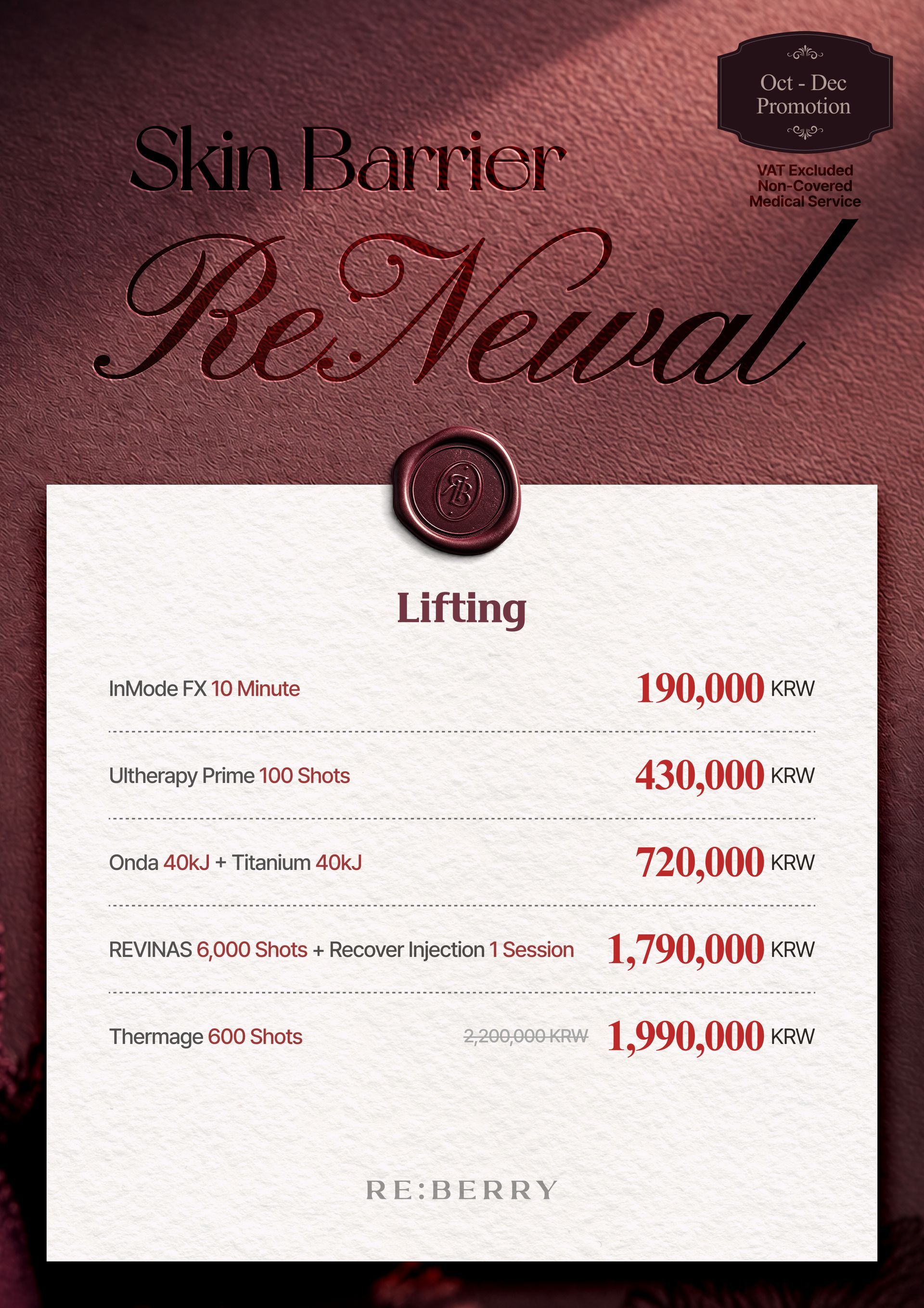
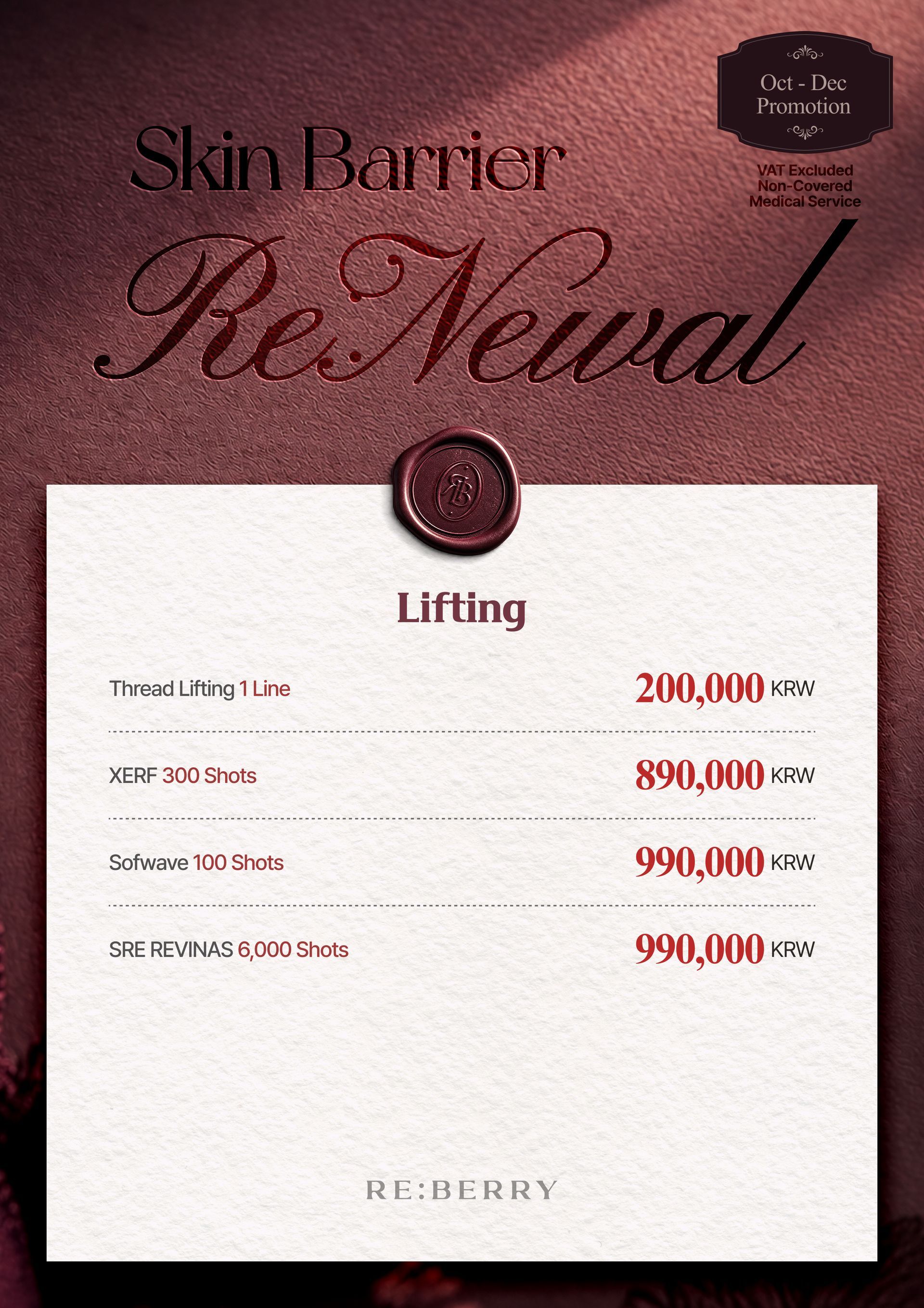
How Long Should I Stay After Thermage?
Thermage is generally considered a relatively low-downtime treatment.
Many patients can resume ordinary activities quickly.
Temporary redness, tenderness or swelling may occur, but an extended Korea stay solely because of Thermage is not normally the central travel-planning issue.
International patients should instead consider whether they are combining Thermage with other procedures.
For example:
Thermage alone
and
Thermage + injections + laser treatment
can produce very different post-treatment experiences.
How Long Should I Stay After Ultherapy?
Ultrasound-based lifting treatments generally do not create the type of open-skin wound associated with ablative laser resurfacing.
Patients may nevertheless experience:
- Tenderness
- Temporary redness
- Swelling
- Sensitivity
For a straightforward treatment, a lengthy recovery stay may not be necessary.
Ask the clinic whether any planned combination treatment changes that recommendation.
How Long Should I Stay After Pico Laser?
It depends on what the Pico laser is being used to treat.
A gentle Pico toning session may produce relatively little visible downtime.
More focused treatment of pigmentation can cause:
- Redness
- Darkening of spots
- Crusting
- Sensitivity
- Temporary swelling
Therefore:
Pico toning ≠ every Pico treatment
Do not plan your departure based only on the device name.
Ask what your skin is expected to look like 24 hours, 3 days and 7 days after treatment.
How Long Should I Stay After Pigmentation Laser?
Pigmentation treatment can be deceptively difficult to plan around.
Some procedures produce minimal visible reaction.
Others intentionally cause treated lesions to:
darken → crust → gradually shed
This process may continue after you leave Korea.
Remaining in Seoul until every treated spot disappears is generally not the purpose of the stay.
Instead, ask whether the physician needs to examine you during the initial healing period and make sure you understand:
- Cleansing
- Moisturizing
- Sunscreen
- Makeup restrictions
- What not to pick
- What reactions are expected
- When to seek medical attention
How Long Should I Stay After RF Microneedling?
RF microneedling treatments such as those used for pores, texture or acne scars can involve more visible recovery than simple skin-tightening treatments.
Temporary effects can include:
- Redness
- Swelling
- Tenderness
- Dryness
- Rough texture
- Pinpoint crusting
For travelers, 2–4 days of schedule flexibility may be useful after more intensive treatment.
Again, this is not a universal medical requirement.
The intensity of treatment matters.
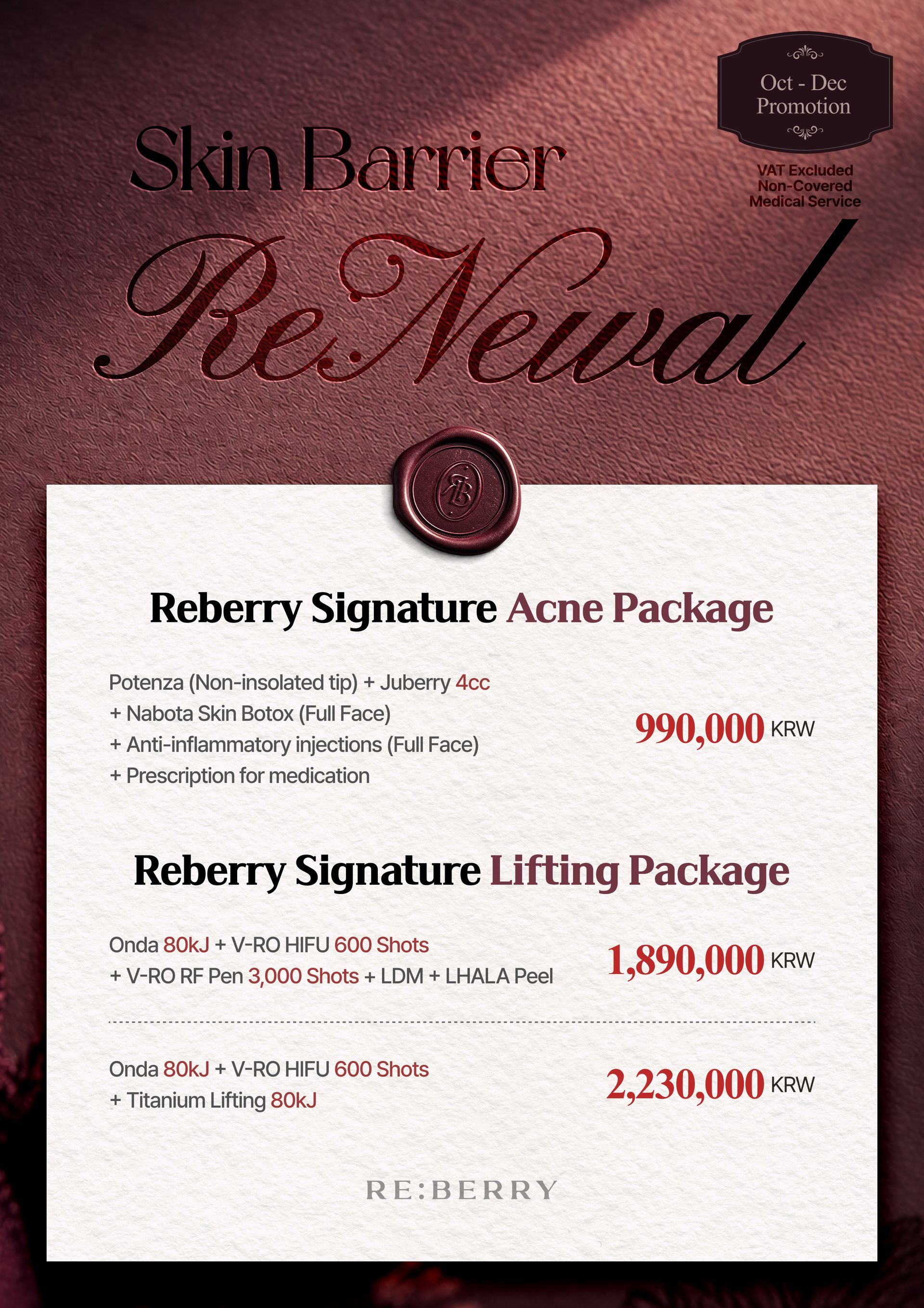
How Long Should I Stay After Acne Scar Treatment?
Acne-scar treatment deserves more careful planning because clinics frequently combine several procedures.
A treatment program might involve:
- Fractional laser
- CO2 laser
- RF microneedling
- Subcision
- Scar-focused procedures
- Injectable treatment
The downtime of a combination session can be substantially greater than that of a single mild procedure.
For moderate or aggressive acne-scar treatment, consider allowing approximately 3–7 days or longer, depending on the treatment plan.
If ablative resurfacing is involved, a longer stay may be appropriate.
How Long Should I Stay After Fractional Laser?
Fractional laser treatments vary significantly.
There are:
Non-ablative fractional lasers
and
Ablative fractional lasers
These are not equivalent from a recovery perspective.
A stronger fractional treatment can cause:
- Significant redness
- Swelling
- Dryness
- Peeling
- Crusting
- Sensitivity
For international travel, allowing around one week of flexibility can be sensible after more intensive fractional resurfacing.
Your doctor may recommend a shorter or longer period depending on the device and settings.
How Long Should I Stay After CO2 Laser?
This is where additional time in Korea becomes much more valuable.
Ablative CO2 resurfacing can produce:
- Raw skin
- Oozing
- Significant redness
- Swelling
- Crusting
- Peeling
- Burning or tenderness
- Intensive aftercare requirements
Healing time varies substantially with treatment intensity.
For a medical tourist, 7–14 days or longer may be a more practical planning window for significant CO2 resurfacing, but this should be individualized.
More aggressive resurfacing may require longer healing.
The goal is not necessarily to remain in Korea until all redness disappears—residual redness can persist far longer.
The more useful question is whether you should remain near the treating clinic through the initial wound-healing period and any planned follow-up.
Why Staying Longer Matters After Aggressive Treatment
The main advantage is not tourism convenience.
It is access to the treating clinic.
If you remain in Seoul for several days, the clinic can more easily evaluate unexpected:
- Swelling
- Persistent pain
- Blistering
- Infection concerns
- Abnormal crusting
- Pigmentation changes
- Delayed healing
Once you have flown thousands of kilometers home, the Korean clinic can still provide remote advice, but it cannot physically examine your skin.
For higher-downtime treatment, this matters.
Should I Have Skin Treatment at the Beginning or End of My Korea Trip?
Low-Downtime Procedures
Toward the end of the trip can be convenient.
Examples might include selected:
- Botox
- Skin boosters
- Gentle toning
- Thermage
- Ultherapy
- Low-downtime treatments
This avoids spending your vacation worrying about temporary redness or injection marks.
Moderate-Downtime Procedures
The middle of the trip may work better.
You have time to recover while still being able to return to the clinic if necessary.
High-Downtime Procedures
Consider scheduling them early enough that the initial healing period occurs while you are still in Korea.
This is particularly relevant for aggressive resurfacing.
Don't Schedule Every Treatment on Your Last Day
International patients sometimes try to maximize a medical-tourism trip by scheduling:
Thermage + Rejuran + Pico + Botox + RF microneedling
immediately before leaving for the airport.
More treatment is not automatically better.
Combination treatments can change:
- Swelling
- Redness
- Skin sensitivity
- Downtime
- Aftercare
- Ability to identify which procedure caused a reaction
Tell the doctor your exact departure date before agreeing to a multi-treatment plan.
Can I Fly the Day After Skin Treatment?
For some low-downtime treatments, next-day flying may be reasonable.
For aggressive resurfacing, it may be inconvenient or medically undesirable depending on the treatment and your condition.
The issue is not simply being inside an airplane.
Travel involves:
- Dry cabin air
- Airports
- Sun exposure
- Long journeys
- Limited access to aftercare
- Difficulty managing swelling
- Difficulty returning to the clinic
The more disrupted the skin barrier is, the more important these considerations become.
You Do Not Need to Stay Until All Redness Disappears
This is another important distinction.
Some treatments can produce redness that lasts much longer than the period during which you need to remain close to your Korean clinic.
For example, resurfaced skin may continue to look pink after the initial healing phase.
Therefore, ask your doctor two separate questions:
1. How long will I look red or swollen?
2. How long should I remain in Korea for medical follow-up?
Those answers may be very different.
Plan Around Follow-Up, Not Just Downtime
Before booking your return flight, ask:
“Do you want to see me again after this procedure?”
Possible follow-up schedules vary.
A clinic may want to:
- Examine healing
- Remove or change dressings
- Review swelling
- Check treated lesions
- Provide additional aftercare
- Assess complications
If an in-person follow-up is part of the treatment protocol, build it into your Korea itinerary.
What If I Am Only in Seoul for 3 Days?
Tell the clinic before treatment.
A short stay does not necessarily prevent treatment, but it may influence what procedure is sensible.
Instead of choosing an aggressive procedure with prolonged wound care, the physician may recommend a treatment with a recovery profile better suited to your schedule.
Your itinerary should be part of the consultation.
What If I Am Staying for 7 Days?
A week gives considerably more flexibility.
It may allow you to:
Day 1: Consultation
Day 2: Treatment
Days 3–5: Initial recovery
Day 6: Follow-up if required
Day 7: Departure
This does not mean seven days is required for every treatment.
It simply creates a useful buffer for treatments with moderate downtime.
What If I Am Staying for 2 Weeks?
A two-week stay provides much more flexibility for:
- Combination acne-scar treatment
- More intensive resurfacing
- Procedures requiring follow-up
- Treatments with substantial visible downtime
However, even two weeks does not guarantee complete disappearance of redness after aggressive resurfacing.
Healing and cosmetic recovery are different timelines.
Sun Exposure During Your Korea Trip
Travelers need to think about what happens after treatment.
A vacation in Korea often means:
- Walking outside
- Sightseeing
- Cafés
- Shopping districts
- Outdoor attractions
- Day trips
After certain resurfacing procedures, substantial sun exposure is undesirable.
Therefore, doing an aggressive laser on Day 1 and spending the next five days sightseeing outdoors may not be ideal either.
Your itinerary needs to balance:
time before departure
with
sun exposure after treatment.
Returning to a Sunny Destination
Tell your doctor if you are immediately returning to a destination with strong UV exposure.
Post-inflammatory hyperpigmentation can occur after skin inflammation, and risk varies by treatment and skin type.
Appropriate sun protection after treatment is therefore particularly important.
Follow the clinic's instructions about:
- Sunscreen
- Hats
- Direct sun
- Outdoor activity
- Timing of sunscreen application
When Should I Stay Longer?
Consider additional time in Korea when:
- You are receiving ablative resurfacing
- Your treatment creates an open wound
- You are having aggressive acne-scar treatment
- Several procedures are being combined
- You previously developed significant pigmentation after procedures
- You have experienced strong swelling previously
- The doctor requires an in-person follow-up
- You are undergoing sedation
- You develop an unexpected reaction
- Your physician specifically recommends remaining nearby
Questions to Ask Before Booking Your Flight
Before finalizing treatment, ask your Seoul clinic:
- What is the exact treatment and device?
- How aggressive will the treatment be?
- Is the treatment ablative or non-ablative?
- What should my skin look like after 24 hours?
- What should it look like after 3 days?
- What should it look like after 7 days?
- Will I have swelling, crusting or peeling?
- Will I need wound care?
- Do I need an in-person follow-up?
- How many days do you recommend I remain in Korea?
- When can I fly?
- Who should I contact after returning home?
Sample Korea Treatment Itineraries
3-Day Skin Treatment Trip
Best suited to procedures expected to have relatively little downtime.
Day 1: Consultation and treatment
Day 2: Recovery/observation
Day 3: Departure if medically appropriate
Avoid automatically fitting aggressive resurfacing into this itinerary.
5-Day Skin Treatment Trip
Provides more flexibility.
Day 1: Consultation
Day 2: Treatment
Days 3–4: Recovery
Day 5: Follow-up/departure
This can work well for many moderate treatment plans when the physician agrees.
7-Day Skin Treatment Trip
Provides a meaningful recovery buffer.
Day 1: Consultation
Day 2: Treatment
Days 3–5: Recovery
Day 6: Follow-up if required
Day 7: Departure
This can be particularly useful when treatment involves more visible downtime.
10–14-Day Treatment Trip
A longer itinerary may be more appropriate for higher-downtime resurfacing or complex combination treatment.
It provides time for:
Treatment → initial healing → physician review → further recovery → departure
The exact schedule should be designed around the procedure rather than forcing the procedure into a pre-booked vacation itinerary.
Frequently Asked Questions
How many days should I stay in Korea after skin treatment?
It depends on the procedure. Low-downtime treatments may require little additional travel time, while moderate procedures may justify several days and aggressive resurfacing can require a week or longer of initial recovery.
Is 3 days enough for skin treatment in Seoul?
It may be enough for selected low-downtime procedures. It is a tight itinerary for aggressive resurfacing or treatments requiring follow-up.
Is 5 days enough?
Five days gives more flexibility for initial recovery after many treatments, but it is not sufficient for every procedure.
Is 7 days enough?
A week is a useful travel-planning window for many moderate treatments and allows time for potential follow-up. Higher-downtime procedures may require longer.
How long should I stay after Botox?
An extended Korea stay is not usually required solely because of uncomplicated cosmetic Botox, but follow your physician's instructions.
How long should I stay after Rejuran?
For travel planning, allowing approximately 1–3 days of flexibility can be convenient because temporary injection bumps, redness, swelling or bruising may occur.
How long should I stay after Thermage?
Thermage generally has relatively little downtime, so an extended recovery stay is often unnecessary unless combined with other procedures.
How long should I stay after Ultherapy?
A long recovery stay is not usually required for uncomplicated treatment, although tenderness, swelling or redness can occur.
How long should I stay after Pico laser?
Gentle toning may involve limited downtime, while stronger pigment-focused treatments can cause crusting or temporary darkening. The exact treatment matters.
How long should I stay after acne scar treatment?
Consider several days to a week or longer for more aggressive or combination acne-scar procedures, depending on the treatment plan.
How long should I stay after fractional laser?
More intensive fractional resurfacing may justify approximately a week of travel flexibility, but ablative and non-ablative procedures have different recovery profiles.
How long should I stay after CO2 laser?
Significant CO2 resurfacing can require substantial initial healing. A 7–14-day or longer travel window may be more practical depending on treatment intensity and your physician's follow-up plan.
Can I fly the next day?
Possibly after some low-downtime treatments. Ask the treating physician before the procedure, particularly after resurfacing or combination treatments.
Should I have treatment on my last day in Seoul?
Low-downtime treatment may sometimes fit near departure. Higher-downtime procedures are generally easier to manage when sufficient recovery and follow-up time remains.
Should I book my flight before my dermatology appointment?
If the skin treatment is an important reason for traveling to Korea, first understand the expected recovery and follow-up requirements. A non-refundable departure immediately after an aggressive procedure reduces your flexibility.
Bottom Line
There is no single number of days every international patient should stay in Korea after skin treatment.
A practical planning framework is:
Low Downtime
1–2 days of flexibility may be sufficient
Examples can include selected Botox, Thermage, Ultherapy and gentle non-ablative treatments.
Moderate Downtime
Consider approximately 3–7 days
This can apply to stronger injectables, RF microneedling, pigmentation procedures and combination treatments depending on intensity.
Higher Downtime
Consider 7–14 days or longer
This is more relevant to aggressive fractional resurfacing, ablative CO2 treatment and procedures requiring substantial wound care or in-person follow-up.
The most important rule for medical tourists is:
Do not choose your skin treatment first and tell the clinic about tomorrow's flight afterward. Give the doctor your arrival and departure dates before the treatment plan is finalized.
Your ideal Korea stay should be determined by the exact procedure, treatment intensity, expected recovery and required follow-up—not simply the treatment's marketing name.