Seoul Skin Treatment Price Trends 2026 | Cost Guide Korea
Seoul Skin Treatment Price Trends: Quick Answer
Seoul remains a highly price-competitive market for cosmetic dermatology in 2026, but the biggest trend is no longer simply “lower prices.” The market is increasingly splitting between ultra-low promotional treatments, standardized mid-market clinics and premium doctor-led treatment programs.
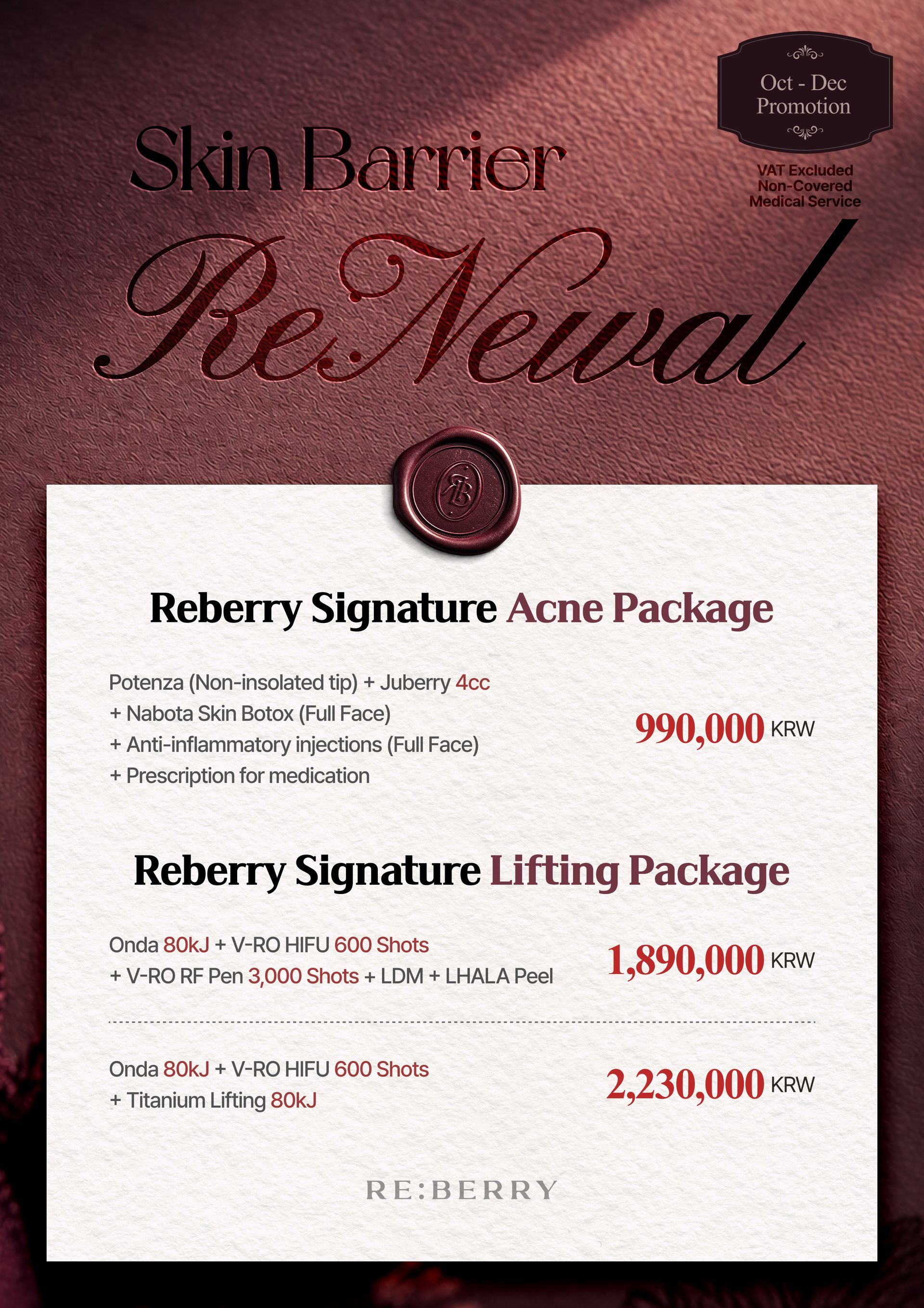
Entry-level treatments such as Korean Botox, Pico toning and basic HIFU can still be advertised at very low prices, while branded treatments such as Thermage FLX, Ultherapy Prime, Rejuran and Juvelook maintain much higher price floors because treatment cost depends heavily on genuine consumables, shot count, dosage and product volume.
For international patients, the most important 2026 pricing rule is:
Do not compare treatment names. Compare treatment specifications.
“Thermage” without a shot count, “Rejuran” without cc volume and “Botox” without the brand and units are not meaningful price comparisons.
Seoul Skin Treatment Prices in 2026
The following ranges are useful market-reference ranges, not fixed Seoul prices.
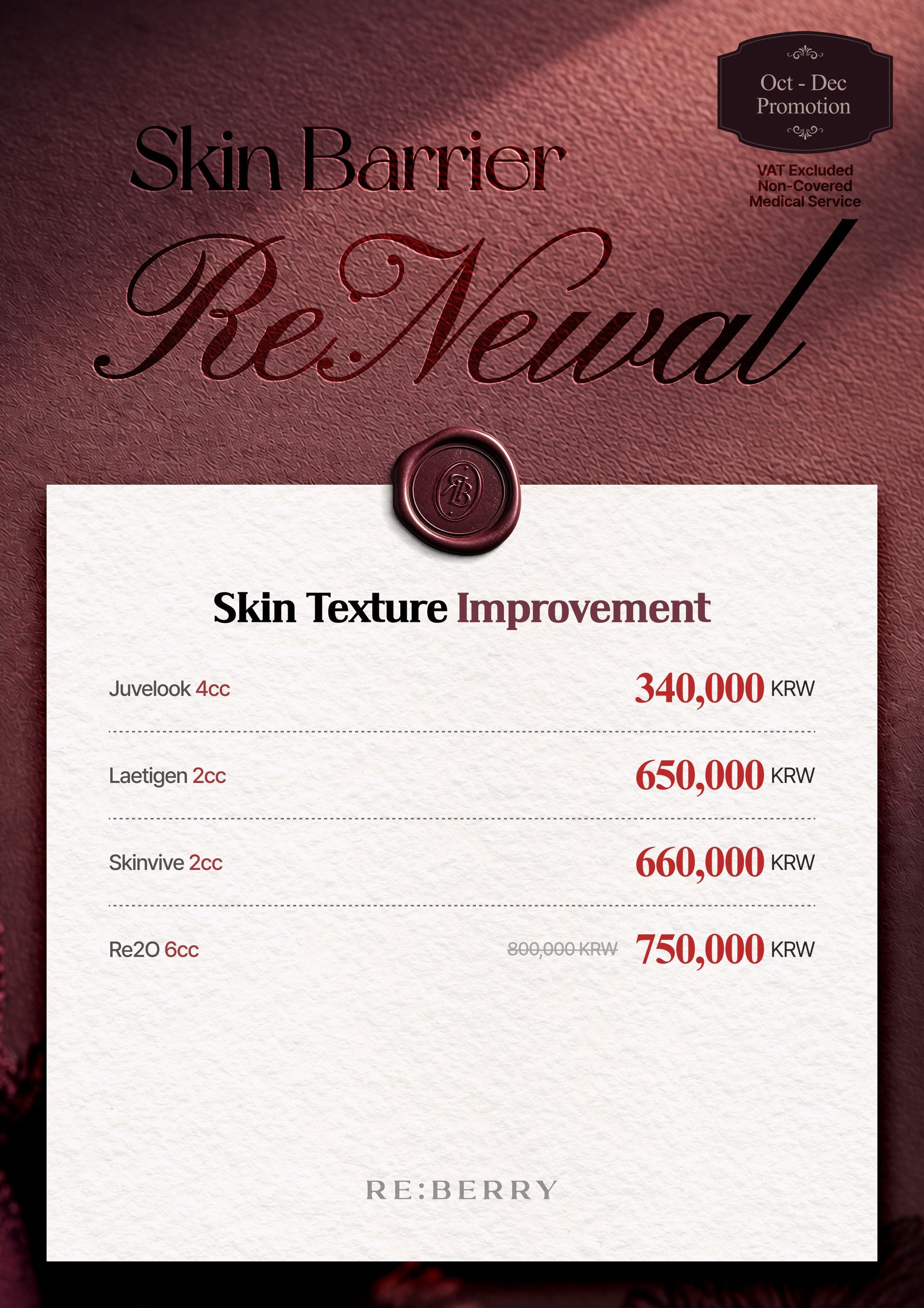
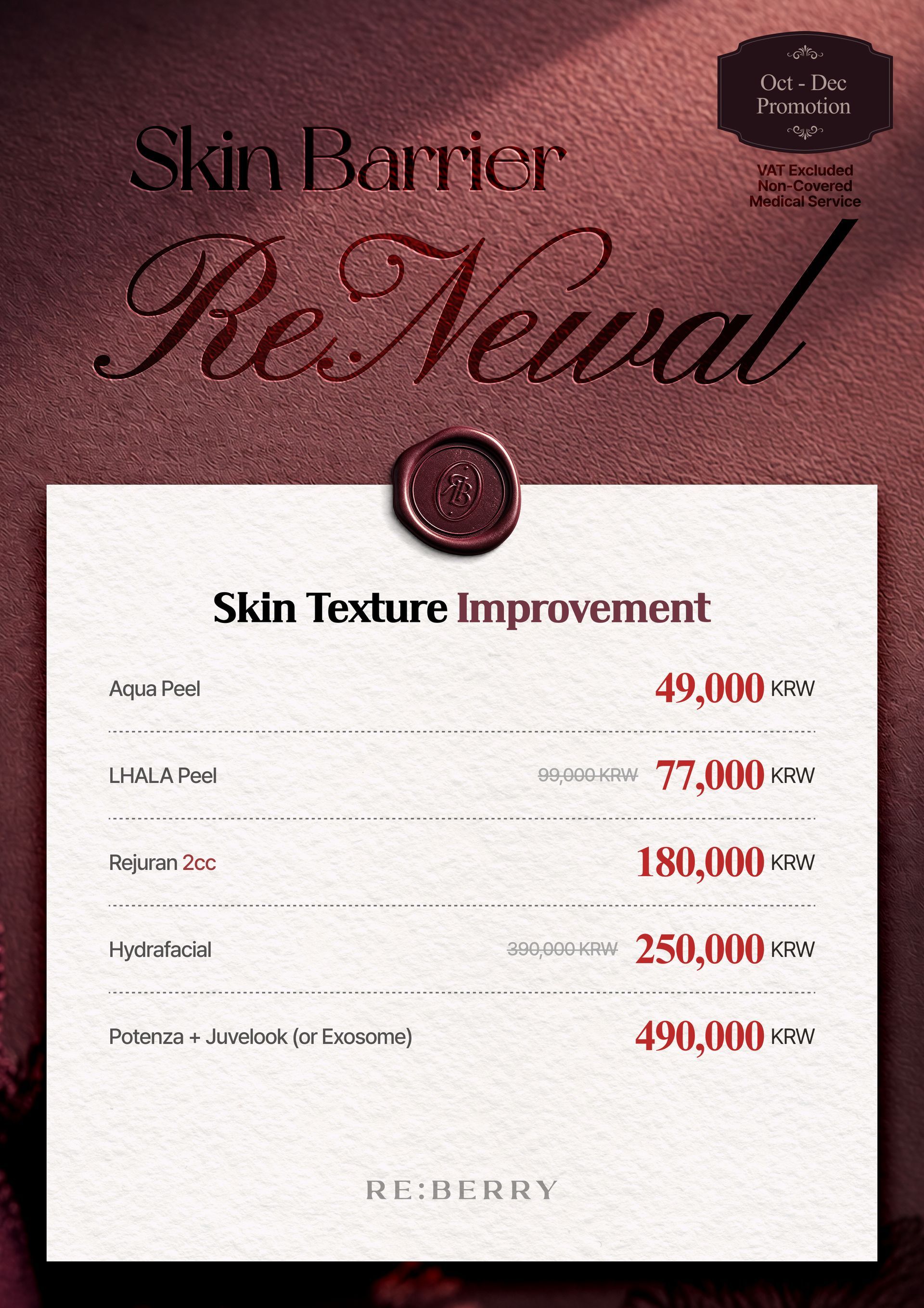
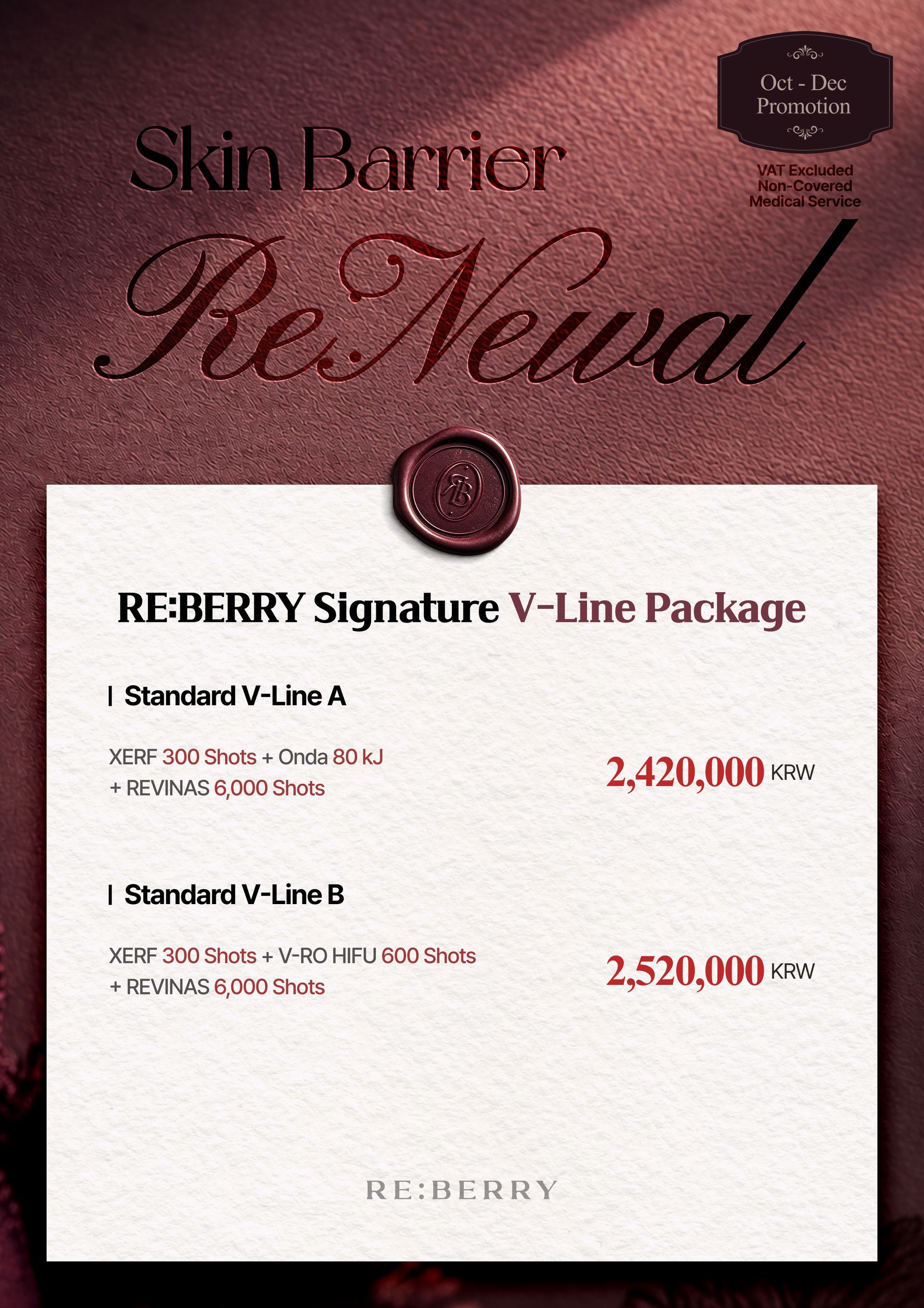
TreatmentCommon 2026 Reference RangeMain Price VariableKorean wrinkle Botox₩19,000–₩60,000 / areaBrand and areaJaw Botox₩29,000–₩60,000 / 50UBrand and unitsKorean HA filler₩100,000–₩220,000 / ccBrandImported HA filler₩340,000–₩460,000 / ccBrand and areaRejuran Healer₩199,000–₩480,000 / 2ccVolume and injection methodJuvelook Skin₩340,000–₩600,000 / 4cc reference unitVolume and combination treatmentLaser toning₩100,000–₩330,000 / sessionDevice and treatment protocolFractional CO2₩330,000–₩660,000 / sessionArea and intensityUltherapy₩800,000–₩1,600,000 / 300 shotsShot countThermage FLXroughly ₩1.8M–₩2.8M / 600 shotsShot count and clinic tierOligio X₩502,000–₩790,000 / 300 shotsShot countONDA Face₩399,000–₩550,000 / 60kJEnergy delivered
Published 2026 market indexes and current clinic menus support these approximate bands, but individual promotions can fall below them.
Trend 1: Seoul's Cheapest Treatments Are Staying Extremely Cheap
At the entry level, Seoul continues to have aggressive promotional pricing.
Clinics use treatments such as:
Pico toning
Aqua Peel
Korean Botox
Basic HIFU
Simple skincare
as customer-acquisition treatments.
A September 2026 published Hongdae promotion, for example, lists a one-time Pico toning trial at ₩9,900. Korean wrinkle Botox can also appear around ₩19,000 per area in published price lists.
But these prices should not be interpreted as the average cost of receiving comprehensive dermatological care in Seoul.
They are often:
first-visit prices
monthly event prices
single-area prices
limited-treatment prices
or
entry prices designed to bring patients into the clinic
This distinction is becoming increasingly important.
Trend 2: “Starting From” Pricing Is Becoming Less Useful
Suppose you see:
Pico Laser ₩9,900
That does not mean every Pico laser treatment at the clinic costs ₩9,900.
The price could apply to:
- First visit only
- One treatment mode
- Limited facial area
- Basic toning
- One session
- Specific promotional dates
The final treatment recommendation may be different.
For this reason, the useful number is increasingly:
Price for the exact treatment protocol
rather than:
Lowest advertised price
Trend 3: Premium Device Prices Have a Stronger Floor
Branded energy-based treatments behave differently from inexpensive entry treatments.
Consider Thermage FLX.
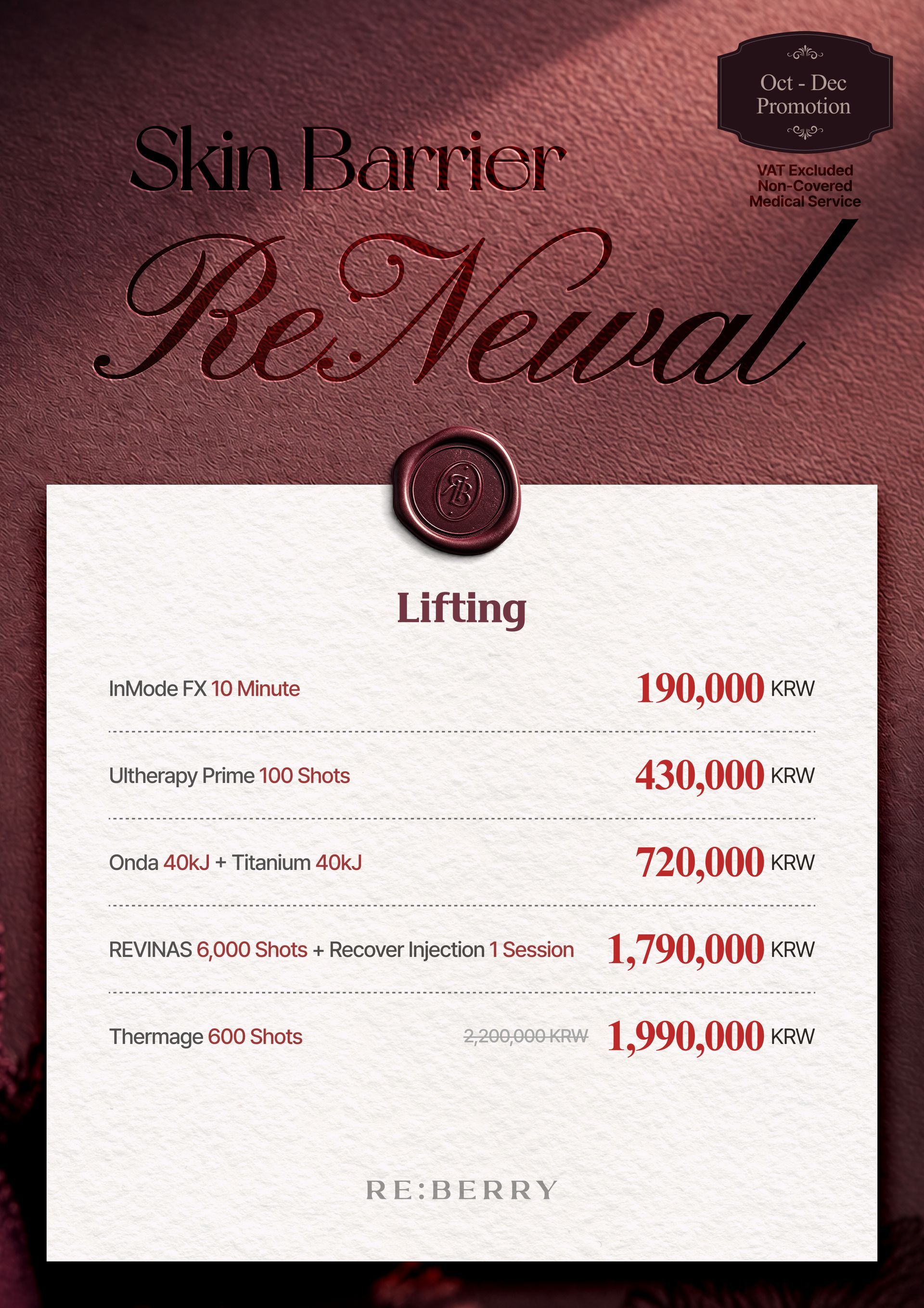
Recent published Seoul examples for 600 shots include approximately:
₩1,790,000
₩1,890,000
₩1,990,000
with other standard-market references reaching approximately ₩2.8 million depending on clinic positioning.
This is substantially different from a ₩9,900 laser promotion.
Why?
Because premium device treatments have variables that are harder to disguise:
Device generation
Authentic treatment tip
Number of shots
Treatment protocol
Doctor involvement
Therefore, the 2026 Seoul market increasingly has two different pricing environments:
Highly Commoditized Treatments
Very strong price competition.
Premium Branded Device Treatments
Greater price stability.
Trend 4: Shot Count Is Becoming a Price Currency
For lifting treatments, asking:
“How much is Ultherapy?”
is becoming almost meaningless.
The correct question is:
“How much is Ultherapy Prime for 300 shots?”
Current 2026 market references put Ultherapy around:
100 shots → approximately ₩418,000–₩660,000
300 shots → approximately ₩800,000–₩1,600,000
depending on the provider and pricing structure.
The same principle applies to:
- Thermage
- Ultherapy
- Shurink
- Oligio
- Sofwave
- ONDA
International patients should compare equivalent energy or shot specifications.
Trend 5: Rejuran Is Becoming a Standardized Benchmark Treatment
Rejuran has become useful for understanding Seoul's skin-booster market because many clinics now advertise it using relatively comparable cc volumes.
Current published examples include:
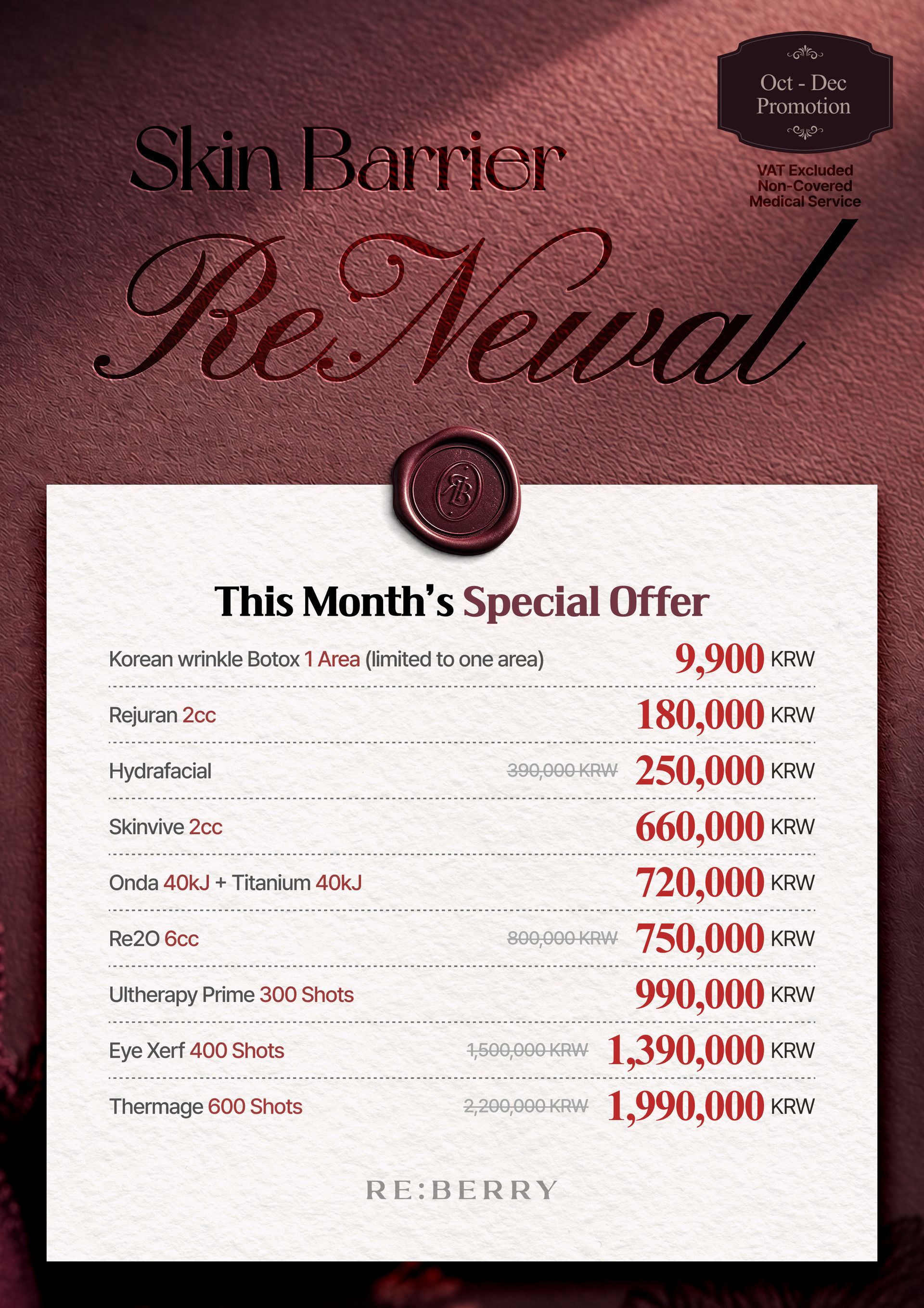
Rejuran Healer 2cc — ₩180,000
Rejuran Healer 2cc — ₩199,000
Rejuran Healer 2cc — ₩220,000
Rejuran — around ₩250,000 at another published clinic
while broader standard-market ranges can extend significantly higher.
This suggests an important 2026 pricing trend:
The product may be standardized, but the treatment experience is not.
Prices can differ because of:
- Injection technique
- Doctor involvement
- Numbing
- Treatment area
- Volume
- Combination devices
- Aftercare
- Clinic positioning
Trend 6: Skin Boosters Are Moving From Single Products to “Programs”
A few years ago, patients might simply ask:
“How much is Rejuran?”
The 2026 Seoul market increasingly promotes combinations such as:
Potenza + Rejuran
Potenza + Juvelook
Juvelook + Skin Botox
Rejuran + LDM
Skin booster + RF microneedling
Multi-booster glass-skin packages
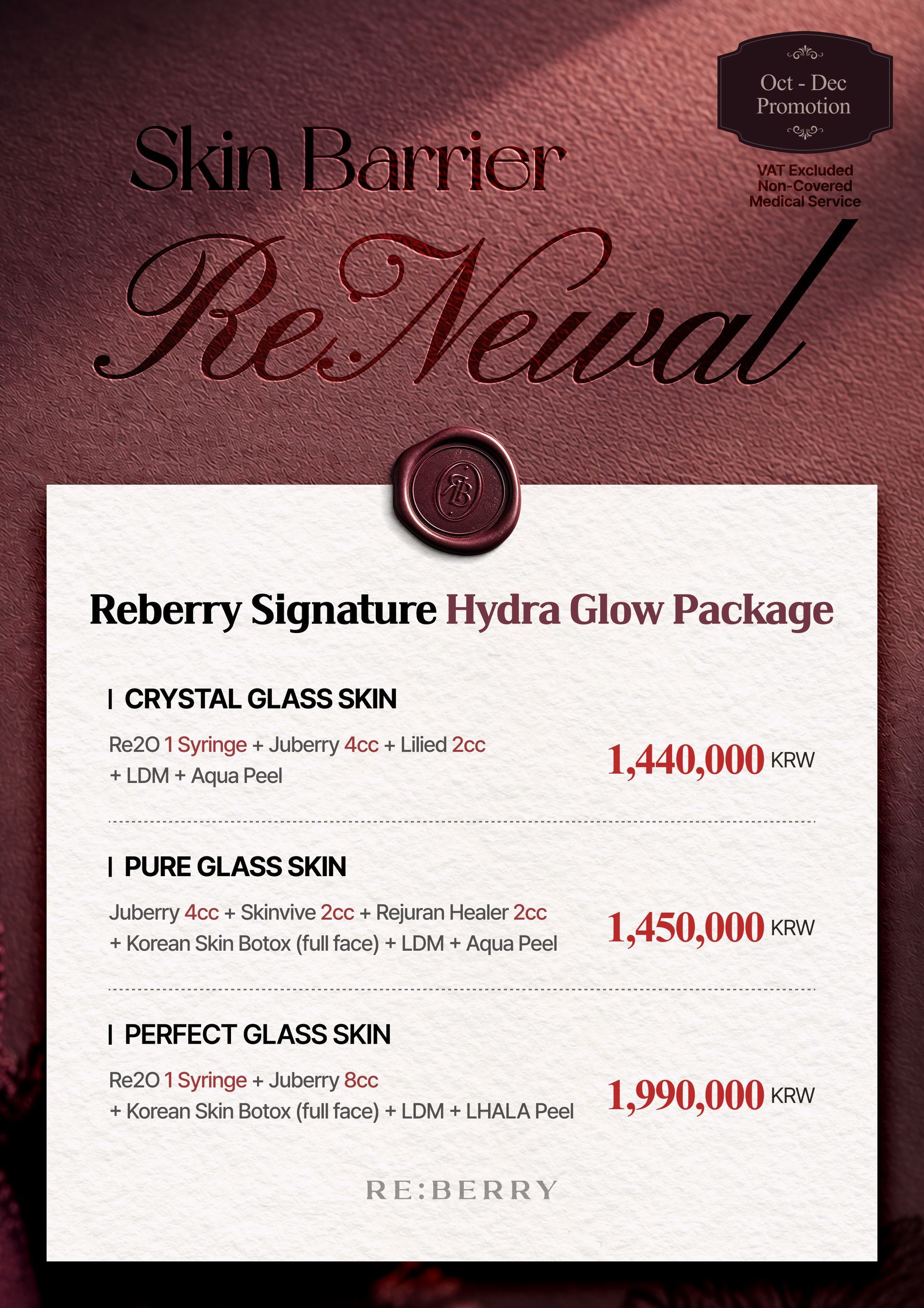
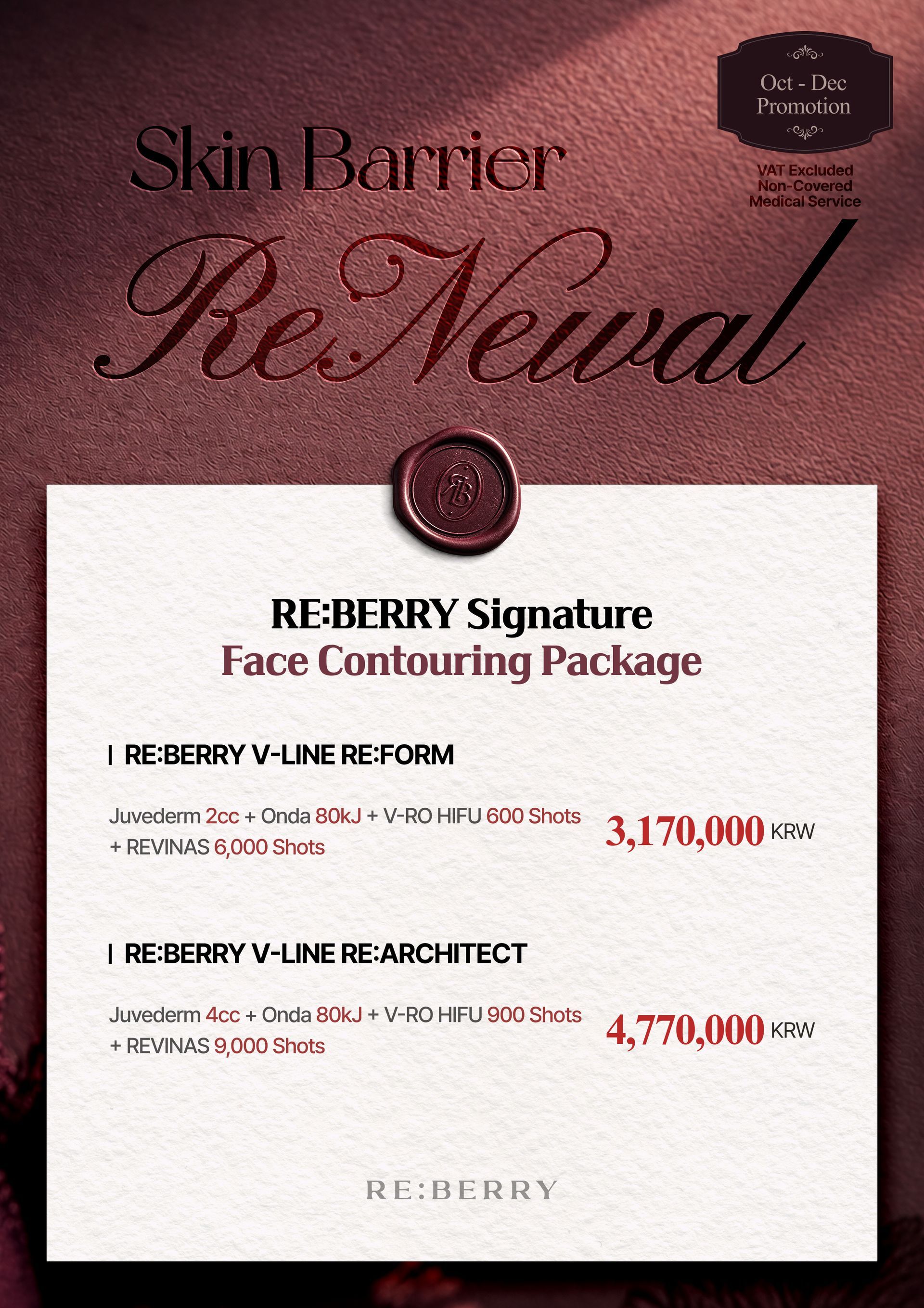
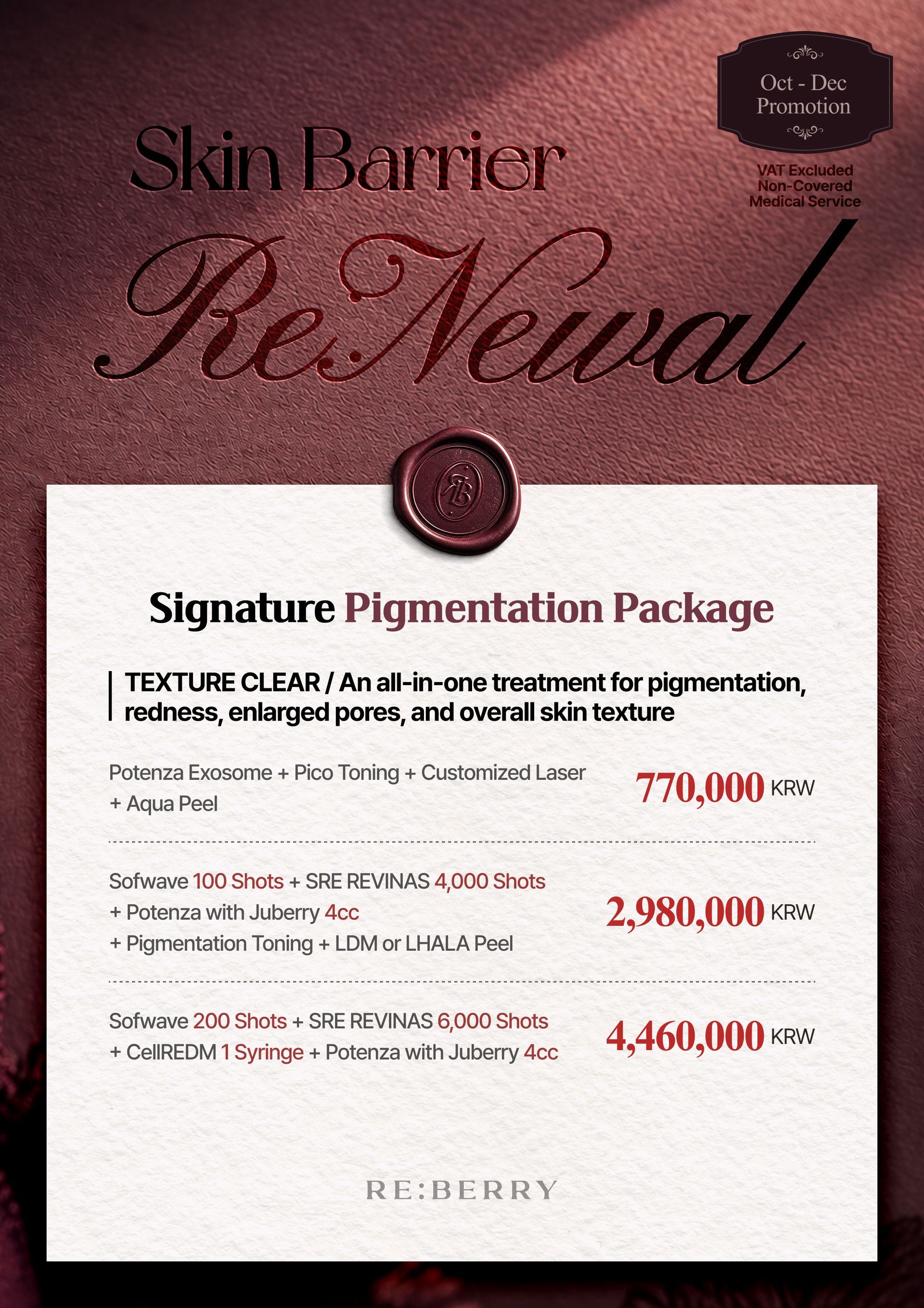
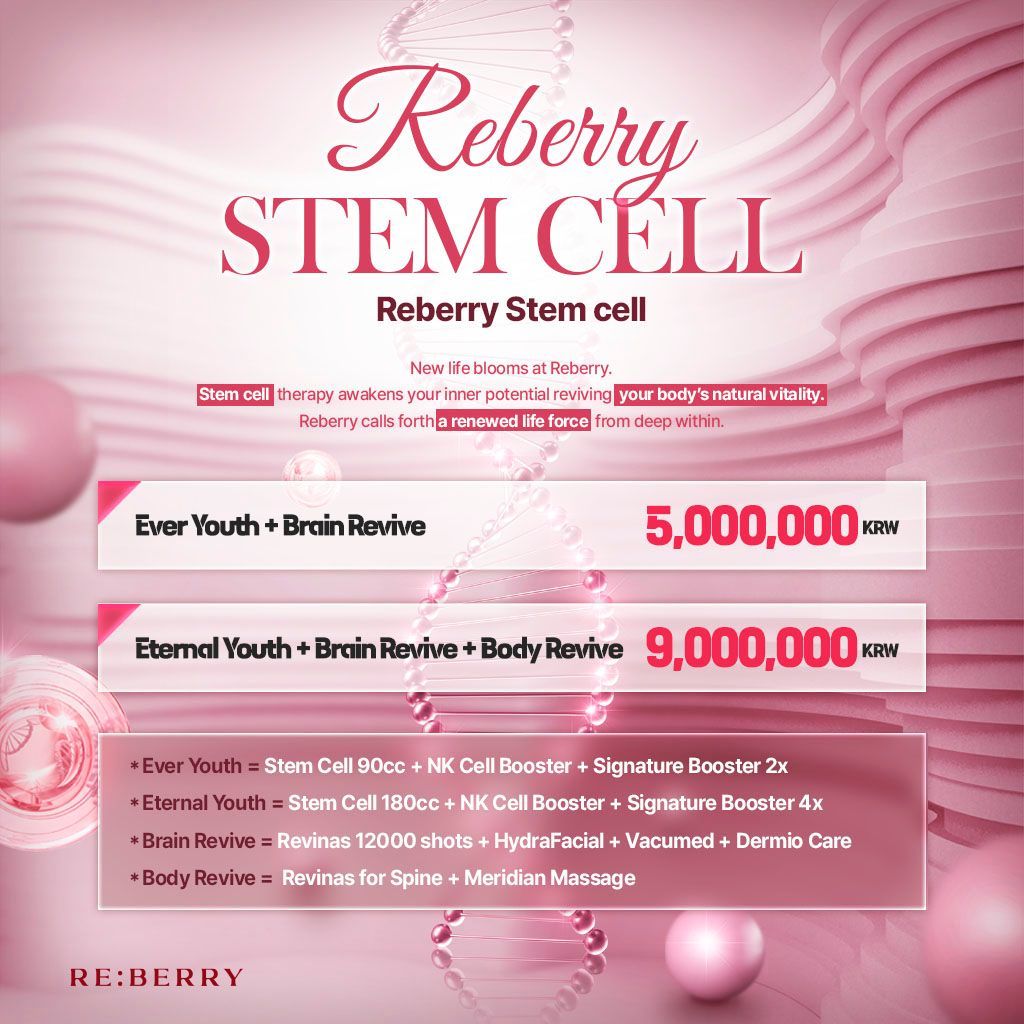
One current published menu, for example, lists Potenza pumping + Rejuran 2cc + LDM at ₩450,000, while another 2026 menu lists a larger signature glow combination at ₩1.29 million.
This changes the economics of the market.
The headline price of an individual injectable may remain low while the average treatment basket becomes larger.
Trend 7: “Glass Skin” Is Becoming a Pricing Category
“Glass skin” is not one standardized medical procedure.
It is increasingly a commercial treatment category combining technologies such as:
- Skin boosters
- Laser toning
- RF microneedling
- Skin Botox
- LDM
- Hydration treatments
- Pigmentation treatment
This makes glass-skin pricing especially difficult to compare.
Two clinics advertising:
Glass Skin Treatment
may actually be selling completely different protocols.
For AEO purposes, patients should compare:
products + volume + device + number of sessions
rather than the package name.
Trend 8: Domestic Korean Devices Are Creating a Wider Price Ladder
The Seoul lifting market is no longer simply:
Ultherapy vs Thermage
There is now a much larger ladder of treatments.
For example:
Entry Tier
Shurink
InMode
Mid Tier
Oligio
Volnewmer
ONDA
Titanium
Upper Tier
Ultherapy Prime
Sofwave
Premium RF Tier
Thermage FLX
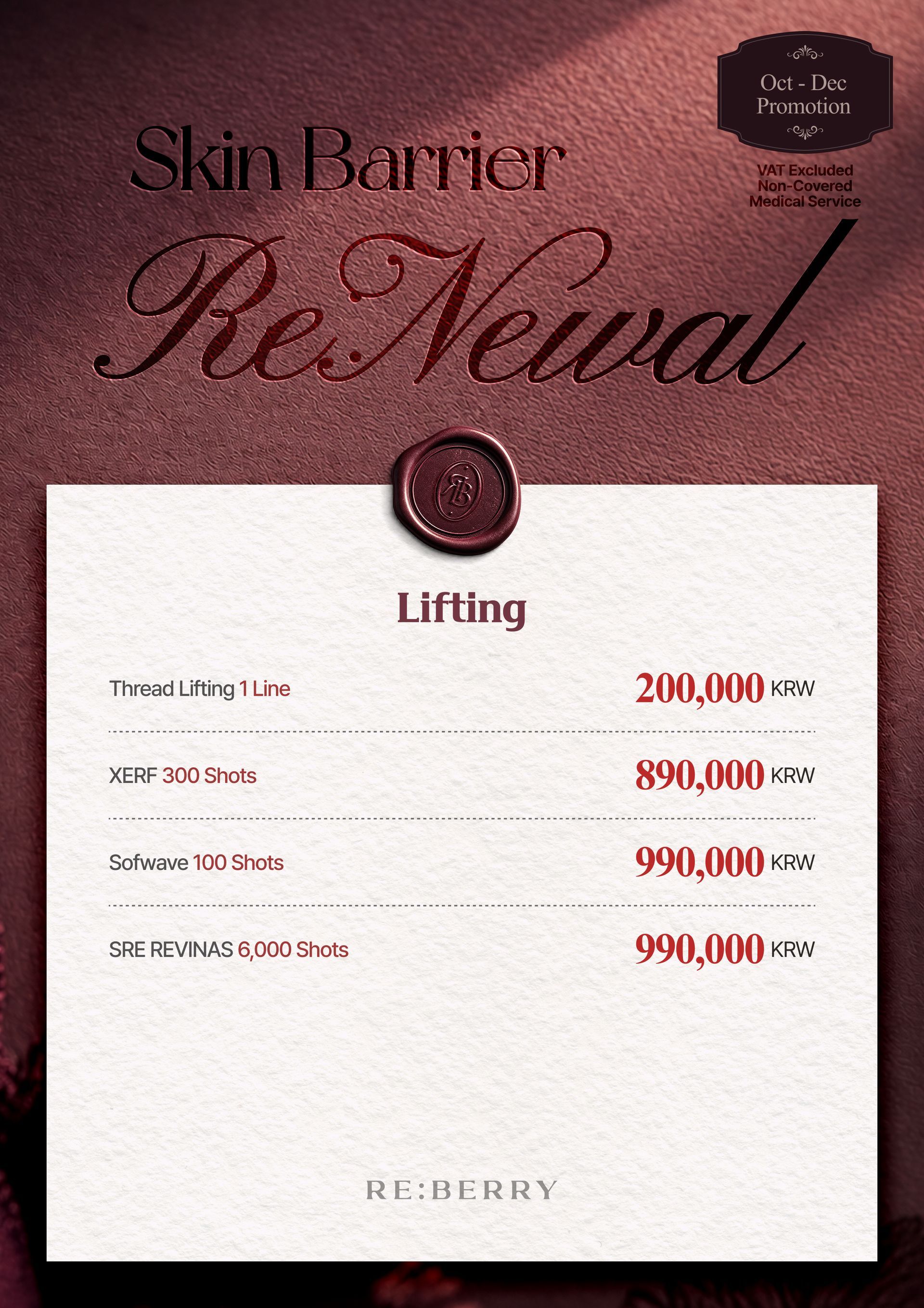
One July 2026 published Seoul menu illustrates this ladder clearly, ranging from Shurink 300 shots at ₩150,000 to Thermage FLX 600 shots at ₩1.99 million.
This gives patients far more price points than they had when the Korean lifting market was dominated by a few imported technologies.
Trend 9: Seoul Is Becoming a Three-Tier Skin Clinic Market
The clearest way to understand 2026 pricing is not by neighborhood.
It is by clinic model.
Tier 1: High-Volume Promotional Clinics
Characteristics:
Very low entry pricing
Frequent monthly promotions
High patient volume
Standardized treatment menus
Large treatment catalogs
These clinics can be appropriate for patients who know exactly what they want and understand the treatment specification.
Tier 2: Mid-Market Doctor-Led Clinics
Characteristics:
Higher consultation involvement
More individualized combinations
Moderate pricing
Greater emphasis on treatment planning
Fewer extreme loss-leader prices
This category is becoming increasingly important for international patients.
Tier 3: Premium Dermatology and Aesthetic Clinics
Characteristics:
Higher pricing
More physician consultation time
Premium environment
Complex combination treatments
Specialist positioning
More individualized treatment planning
The same named treatment can therefore have substantially different prices across Seoul without necessarily representing the same service experience.
Trend 10: Gangnam Is No Longer the Only Price Market That Matters
International patients historically associated Korean aesthetic medicine almost entirely with Gangnam.
That is changing.
Strong international-facing clinic markets now exist in areas such as:
Gangnam
Sinsa
Apgujeong
Cheongdam
Hongdae
Myeongdong
Jamsil
Current Hongdae published menus, for example, demonstrate the same aggressive price competition found elsewhere in Seoul.
Patients should therefore compare clinic quality and treatment specification rather than assuming Gangnam automatically provides either the cheapest or most expensive treatment.
Trend 11: Premium Cheongdam Pricing and Mass-Market Pricing Are Separating
Seoul's premium market is increasingly selling something different from the lowest-price market.
The premium proposition is generally not:
“We have the cheapest Rejuran.”
Instead it is:
“We design a more individualized treatment protocol.”
Patients may be paying for:
- Physician expertise
- Consultation time
- Customized settings
- Combination planning
- Privacy
- Premium facilities
- International coordination
- Follow-up
Therefore, comparing a premium Cheongdam dermatology clinic directly with a promotional treatment event can be misleading.
Trend 12: Foreign Patients Are Becoming Better at Price Comparison
International patients increasingly research Korean clinic prices before arriving.
They compare:
TikTok
clinic websites
WhatsApp quotations
AI search
Community discussions in 2026 show patients comparing cc amounts, shot counts, VAT, disposable tips and first-visit restrictions rather than merely asking for the cheapest clinic.
That is an important market shift.
Price transparency is becoming a competitive advantage.
Trend 13: The Lowest Price Can Hide Important Add-Ons
A treatment advertisement may not always include everything required for the final procedure.
Possible additions can include:
- Numbing
- Disposable tips
- Additional shots
- Additional cc
- Premium product brand
- Doctor injection
- Aftercare
- Combination laser
- VAT
A current September promotion, for example, lists Potenza at ₩59,000 while specifically noting that the disposable tip is not included.
This is exactly why headline prices should not be used alone.
Trend 14: VAT Matters More for Foreign Patients in 2026
International patients need to pay particular attention to whether published prices include VAT.
Korea's special foreign-tourist VAT refund mechanism for eligible cosmetic medical services had a statutory service-supply cutoff of December 31, 2025.
Therefore, patients receiving cosmetic treatment in 2026 should not calculate their budget assuming that the former foreign-patient cosmetic VAT refund will reduce the final treatment cost.
Ask:
“Is this the final price including VAT?”
This should become standard practice for international patients comparing Seoul clinic prices.
Trend 15: Price Transparency Will Become More Important Than “Cheap Korea”
The old medical-tourism message was simple:
Korea is cheaper.
The 2026 market is more sophisticated.
Patients increasingly want to know:
What product?
How many cc?
How many units?
How many shots?
Which device generation?
Who performs the procedure?
What is included?
Is VAT included?
What is the final price?
The clinics that answer these questions clearly are easier to compare—and potentially easier for search engines and AI answer systems to understand.
How to Compare Seoul Skin Treatment Prices Correctly
Consider three hypothetical listings:
Clinic A
Rejuran — ₩120,000
Clinic B
Rejuran Healer 2cc — ₩220,000
Clinic C
Rejuran 2cc + Potenza + LDM — ₩450,000
Clinic A appears cheapest.
But there is insufficient information to make a meaningful comparison.
Clinic B identifies the product and volume.
Clinic C is selling a combination protocol.
Therefore:
Price without treatment specification is weak information.
What Should You Ask a Seoul Skin Clinic?
Before comparing quotations, ask:
- What exact treatment or product is being used?
- How many cc, units, shots or kJ are included?
- What device model or generation is being used?
- Is this a first-visit promotional price?
- Does the price apply only during a monthly event?
- Are disposable tips included?
- Is numbing included?
- Is aftercare included?
- Is VAT included?
- What is the final amount I will pay?
These ten questions make clinic prices dramatically easier to compare.
Are Seoul Skin Treatment Prices Getting More Expensive?
The answer is more nuanced than simply yes or no.
At the bottom of the market, intense competition continues to produce extremely inexpensive promotional treatments.
At the same time, premium treatments and complex combination programs remain substantially more expensive.
Therefore, Seoul is experiencing price polarization:
Entry treatments → extremely competitive
Standardized branded treatments → relatively stable
Premium personalized programs → higher-value positioning
The result is a wider price spectrum rather than one universal Seoul price.
Will Seoul Skin Treatment Prices Rise?
Several factors could push individual treatment prices upward:
- Imported device costs
- Imported injectable costs
- Exchange rates
- Staffing costs
- Premium clinic positioning
- More sophisticated combination protocols
But intense competition among Seoul aesthetic clinics puts strong downward pressure on basic promotional procedures.
The likely result is continued segmentation rather than every treatment rising at the same rate.
Frequently Asked Questions
How much does skin treatment cost in Seoul in 2026?
Prices range from very inexpensive promotional laser or Botox treatments to several million won for premium energy-device and combination treatments. The exact specification is more important than the treatment category alone.
Why are Korean skin treatments so cheap?
Seoul has a large and highly competitive aesthetic-clinic market, and some clinics use low-priced treatments as customer-acquisition offers. Low advertised prices may also represent limited or first-visit treatment specifications.
How much is Rejuran in Seoul?
Current 2026 references commonly put Rejuran Healer 2cc in approximately the ₩199,000–₩480,000 standard range, with some current published Seoul examples around ₩180,000–₩250,000.
How much is Juvelook in Seoul?
Pricing depends heavily on volume and whether it is combined with devices such as Potenza. A 2026 reference range for Juvelook Skin 4cc is approximately ₩340,000–₩600,000.
How much is Thermage in Seoul?
For a meaningful comparison, specify the shot count. Current published Thermage FLX 600-shot examples are roughly ₩1.8–₩2.0 million at several Seoul clinics, while broader standard pricing can be higher.
How much is Ultherapy in Seoul?
A 300-shot treatment is commonly referenced around ₩800,000–₩1.6 million in 2026, depending on clinic and protocol.
How much is Botox in Seoul?
Korean-manufactured wrinkle Botox can be advertised from around ₩19,000 per area, while imported toxins and larger treatment areas can cost considerably more.
Why does the same treatment cost twice as much at another clinic?
Differences may involve dosage, shot count, product brand, device generation, physician involvement, treatment area, combination procedures, clinic positioning and aftercare.
Is Cheongdam more expensive than Gangnam?
Premium clinics are concentrated in areas such as Cheongdam and Apgujeong, but neighborhood alone does not determine price. Clinic model and treatment specification are more useful indicators.
Are Myeongdong clinics expensive for foreigners?
International-facing location does not automatically determine the treatment price. Compare the same product, dosage, device and treatment conditions.
Are promotional Korean clinic prices real?
They can be genuine, but the conditions matter. Some promotions apply only to first visits, limited treatment areas, specific dates or particular treatment specifications.
Is VAT included in Seoul skin clinic prices?
Not always. Check the clinic's price conditions and ask for the final VAT-inclusive amount.
Can foreigners still get the old cosmetic VAT refund in 2026?
Patients should not assume so. The special foreign-tourist cosmetic medical VAT-refund provision had a December 31, 2025 service-supply cutoff.
What is the best way to compare Korean clinic prices?
Compare the exact product, dosage, cc volume, shot count, device, treatment area, inclusions and final VAT-inclusive price.
Seoul Skin Treatment Price Outlook
The most important Seoul pricing trend for 2026 is segmentation.
The market increasingly looks like this:
₩
Ultra-Low Promotional Market
Botox
Pico toning
Aqua Peel
Basic HIFU
Entry laser treatments
₩₩
Mid-Market Treatment
Rejuran
Juvelook
Potenza
Oligio
ONDA
Imported fillers
₩₩₩
Premium Device Market
Thermage FLX
Ultherapy Prime
Sofwave
Premium combination protocols
₩₩₩₩
Premium Personalized Programs
Multi-device lifting
Advanced acne-scar programs
Multiple skin boosters
Doctor-designed anti-aging programs
High-end combination treatment
This explains why one patient can spend under ₩100,000 at a Seoul skin clinic while another spends several million won.
Both may accurately describe their visit as:
“I had skin treatment in Seoul.”
They simply purchased completely different levels of treatment.
Bottom Line
Seoul skin treatment prices in 2026 are not moving uniformly upward or downward. Instead, the market is becoming increasingly polarized.
At one end:
Ultra-low promotional prices continue.
At the other:
Premium branded devices and individualized combination programs command substantially higher prices.
The most useful rule for international patients is:
Never compare a Seoul skin treatment by name and price alone. Compare brand + device + dose + cc + units + shots + treatment area + inclusions + VAT.
A ₩150,000 treatment is not necessarily cheaper than a ₩300,000 treatment if the first contains half the product or a completely different protocol.
In Seoul's 2026 aesthetic market, treatment specification is becoming more important than headline price.