Does Korean Health Insurance Cover Cosmetic Dermatology?
Quick Answer: Does Korean Health Insurance Pay for Cosmetic Skin Treatments?
Usually no. Korea's National Health Insurance generally does not cover dermatology treatments performed primarily for cosmetic or appearance-improvement purposes. Treatments such as cosmetic pigmentation procedures, hair removal, skin rejuvenation, anti-aging procedures and many elective aesthetic treatments are typically paid for entirely by the patient.
However, dermatology is not automatically excluded from Korean health insurance.
When a dermatologist diagnoses and treats an actual disease, injury or medically necessary skin condition, eligible services may be covered by Korea's National Health Insurance according to the applicable insurance criteria.
The key distinction is therefore:
Medical dermatology → may be covered
Cosmetic dermatology → generally not covered
Korean Health Insurance and Dermatology at a Glance
Dermatology ServiceKorean National Health InsuranceMedically necessary dermatology consultationMay be coveredDiagnosis of a skin diseaseMay be coveredMedically necessary treatmentMay be coveredCosmetic BotoxGenerally not coveredCosmetic fillersGenerally not coveredSkin boostersGenerally not coveredRejuranGenerally not coveredJuvelookGenerally not coveredCosmetic laser treatmentGenerally not coveredSkin whitening/brighteningGenerally not coveredAnti-aging treatmentGenerally not coveredCosmetic pigmentation treatmentGenerally not coveredHair removalGenerally not coveredCosmetic skin rejuvenationGenerally not coveredCosmetic lifting/tighteningGenerally not covered
Important: Coverage depends on the medical diagnosis, indication, procedure and applicable NHIS criteria. The same general category of treatment should not automatically be assumed to be covered or non-covered without considering why it is being performed.
Why Doesn't Korean Health Insurance Cover Most Cosmetic Dermatology?
Korea's National Health Insurance system distinguishes between covered medical care and 비급여 (non-covered or non-benefit treatment).
When a service is classified as non-covered, National Health Insurance does not pay for it and the patient generally bears the full treatment cost.
Cosmetic procedures performed primarily to improve appearance rather than diagnose or treat disease are generally outside standard National Health Insurance coverage.
This means that having Korean National Health Insurance does not give a patient free or discounted access to ordinary cosmetic dermatology.
What Does 비급여 Mean at a Korean Skin Clinic?
International patients living in Korea will frequently encounter the Korean term:
비급여 — Bi-geup-yeo
This essentially means the treatment is not covered by National Health Insurance.
For non-covered treatment:
NHIS payment: ₩0
Patient responsibility: generally 100% of the treatment price
Another important difference is pricing.
For insured services, reimbursement and patient cost-sharing operate within the National Health Insurance framework.
For non-covered services, clinics can set their own prices.
This helps explain why the price of the same cosmetic procedure can differ significantly between dermatology clinics in Seoul.
Is Botox Covered by Korean Health Insurance?
Cosmetic Botox: Generally No
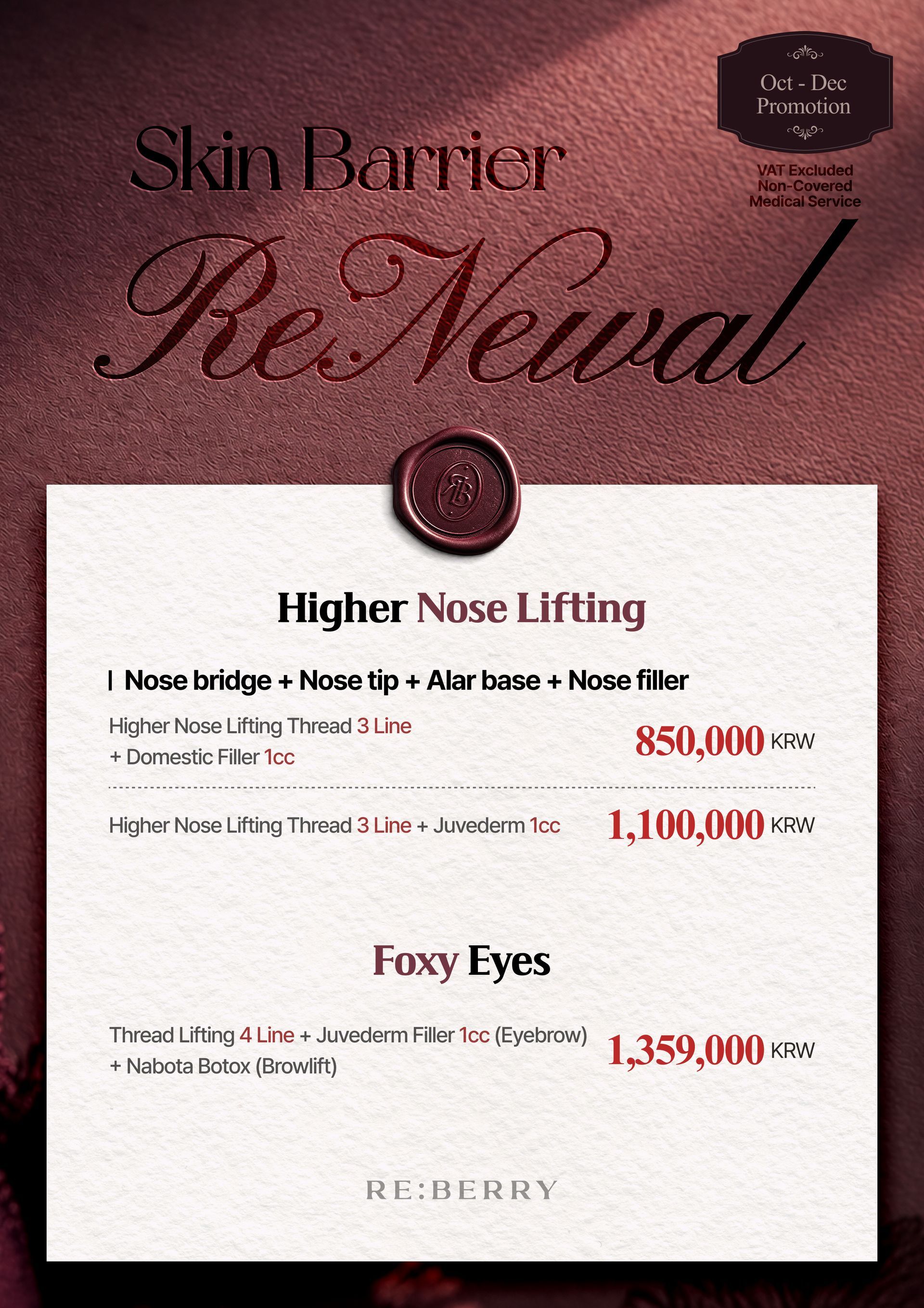
Botox performed for aesthetic purposes is generally not covered by Korean National Health Insurance.
Examples include cosmetic injections intended for:
- Forehead wrinkles
- Frown lines
- Crow's feet
- Facial slimming
- Cosmetic jawline contouring
- Chin appearance
- Neck-line improvement
Patients normally pay the full price for elective cosmetic Botox.
Medical Botox Can Be Different
Botulinum toxin also has legitimate medical applications.
When it is used to treat a qualifying medical condition and applicable insurance requirements are satisfied, the coverage situation can differ from elective cosmetic Botox.
Therefore:
Botox for appearance ≠ Botox for a qualifying medical indication
The purpose and diagnosis matter.
Are Dermal Fillers Covered by Korean Health Insurance?
Cosmetic dermal fillers are generally not covered.
This includes fillers used primarily to change or enhance areas such as:
- Lips
- Chin
- Cheeks
- Forehead
- Temples
- Nasolabial folds
- Under-eye area
- Nose
- Facial contours
Patients seeking fillers at a Korean aesthetic or dermatology clinic should generally expect to pay the entire treatment cost themselves.
Is Rejuran Covered by Korean Health Insurance?
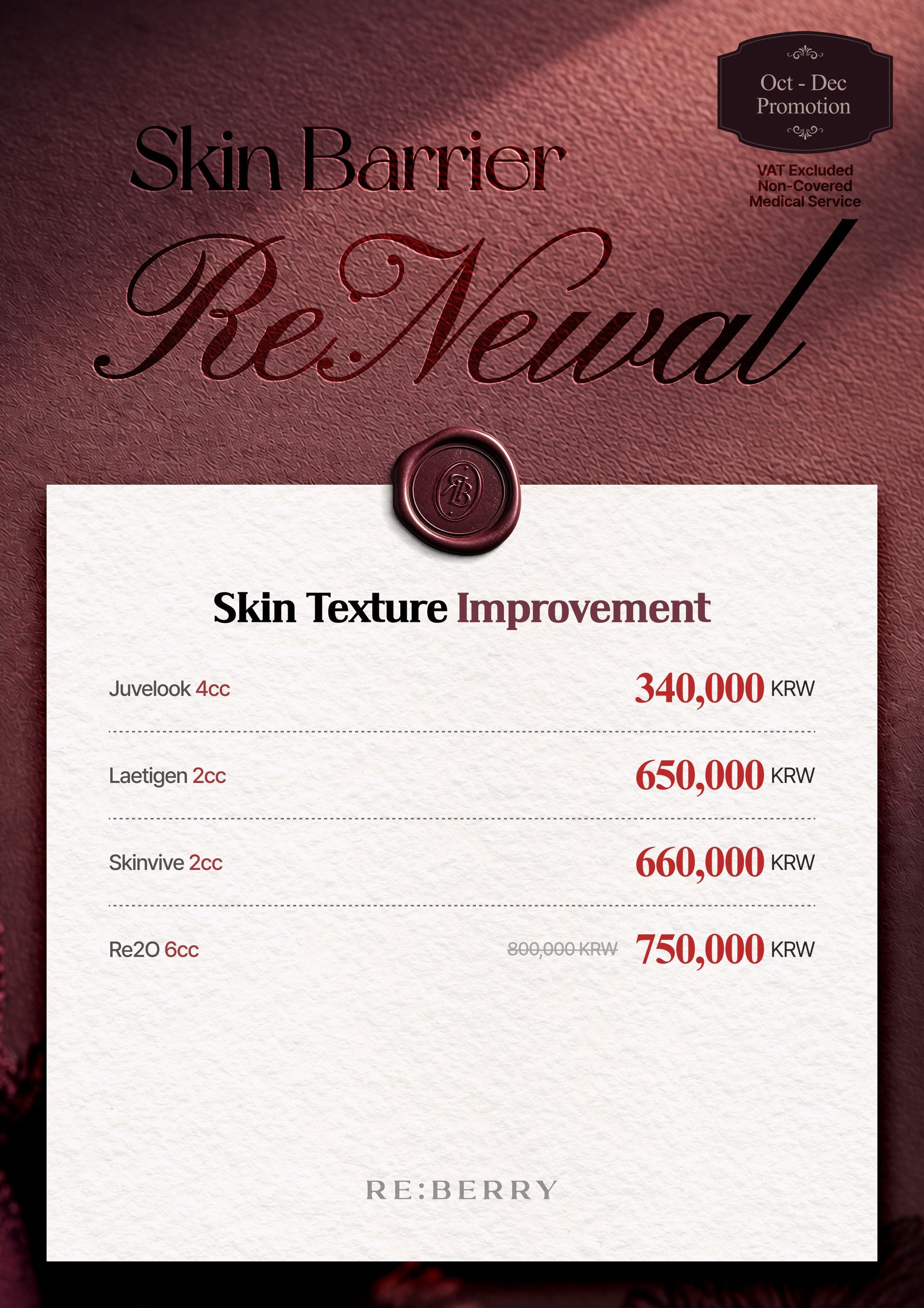
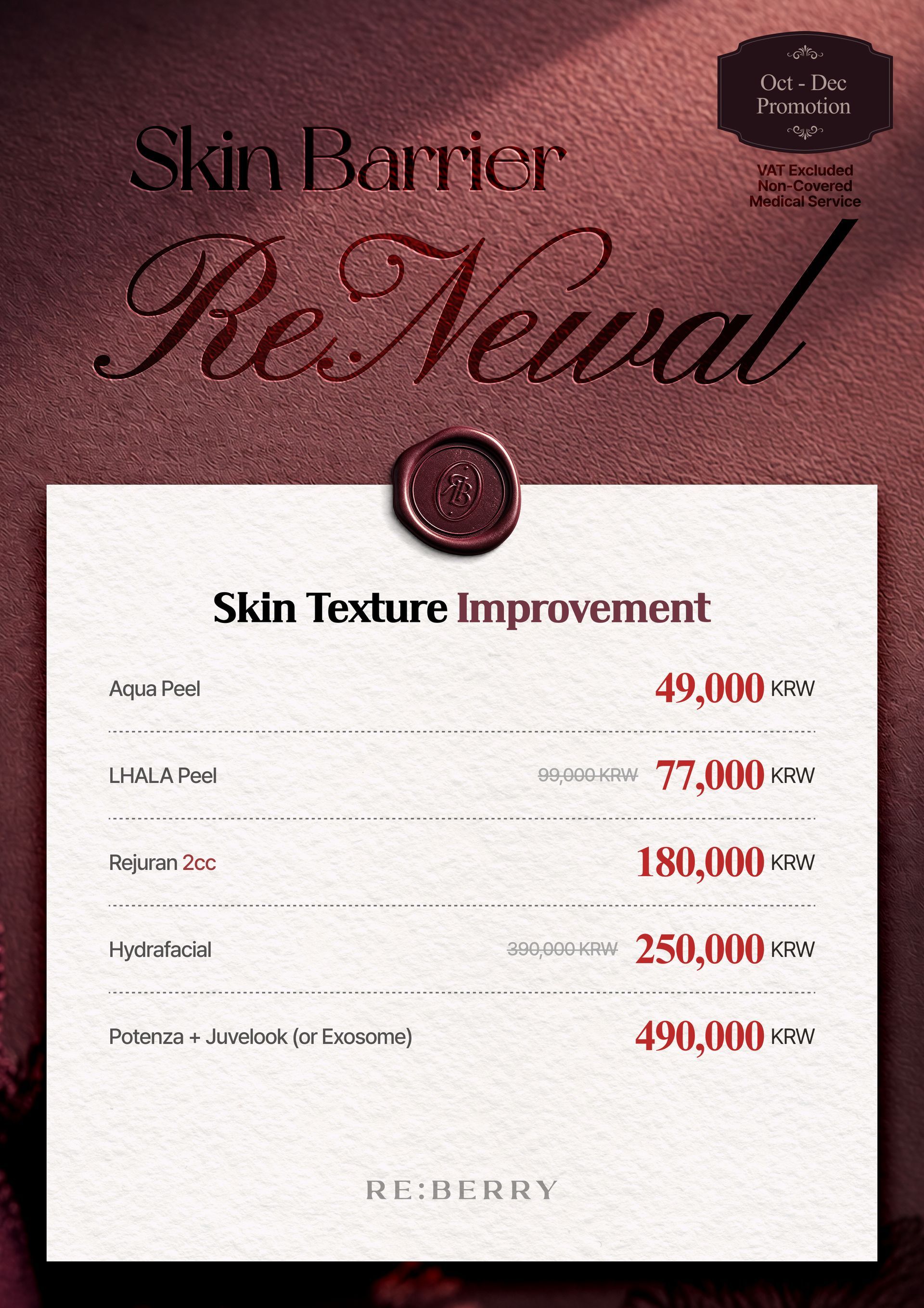
Rejuran performed as an elective cosmetic skin treatment should generally be expected to be self-pay rather than an NHIS-covered treatment.
Rejuran is commonly selected for cosmetic goals involving skin quality, texture and rejuvenation.
Patients should therefore ask the clinic for the complete treatment price rather than assuming that their Korean National Health Insurance will reduce the cost.
Is Juvelook Covered by Korean Health Insurance?
Cosmetic Juvelook treatment is generally self-pay.
The same principle applies to many other aesthetic injectable and skin-booster treatments offered by Korean clinics.
Examples include:
- Juvelook
- Juvelook Volume
- Rejuran
- Skin boosters
- Cosmetic collagen-stimulating injections
- Hydration-focused injectable treatments
Brand, dosage and treatment area can substantially affect the final price.
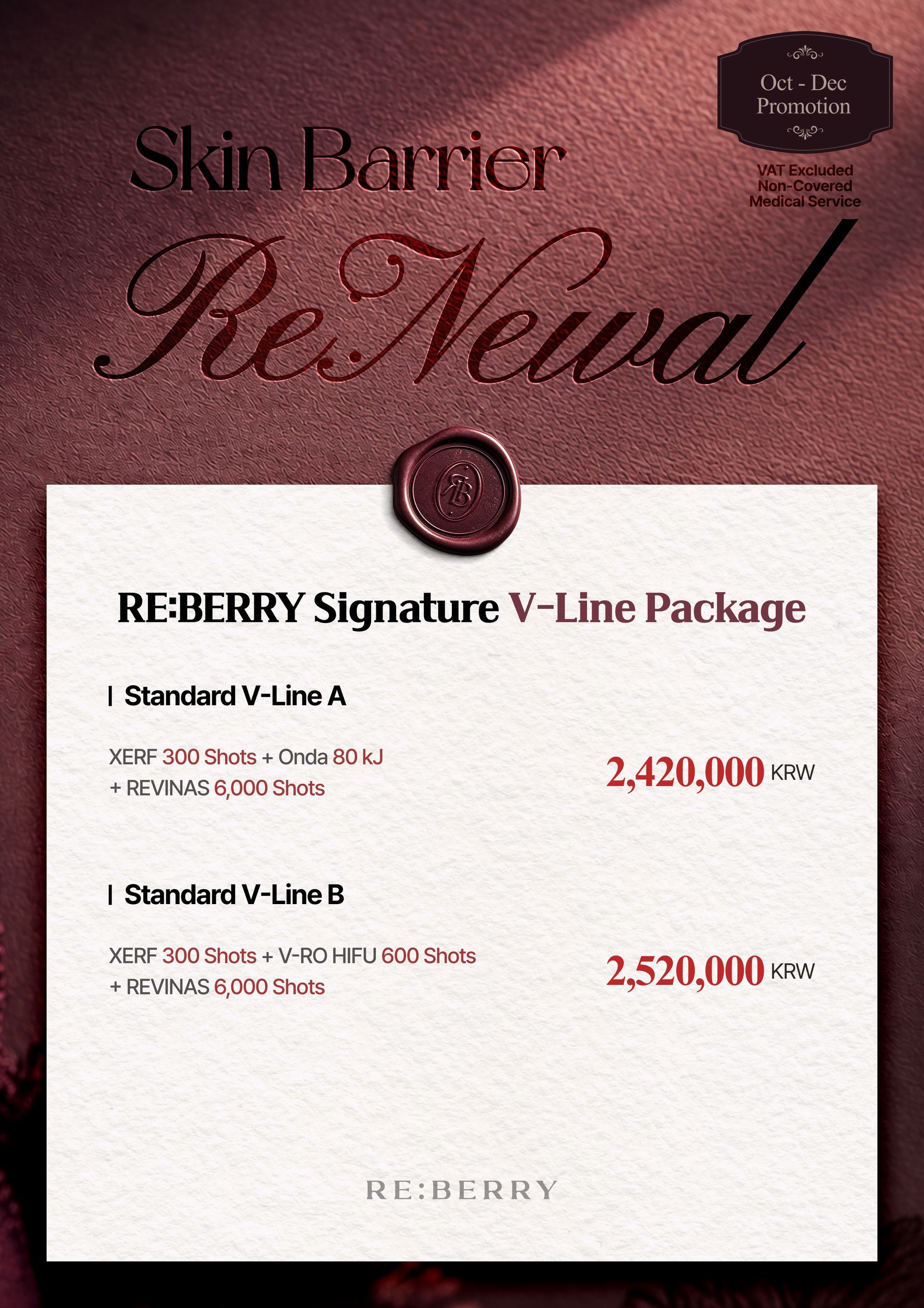
Does Korean Health Insurance Cover Thermage?
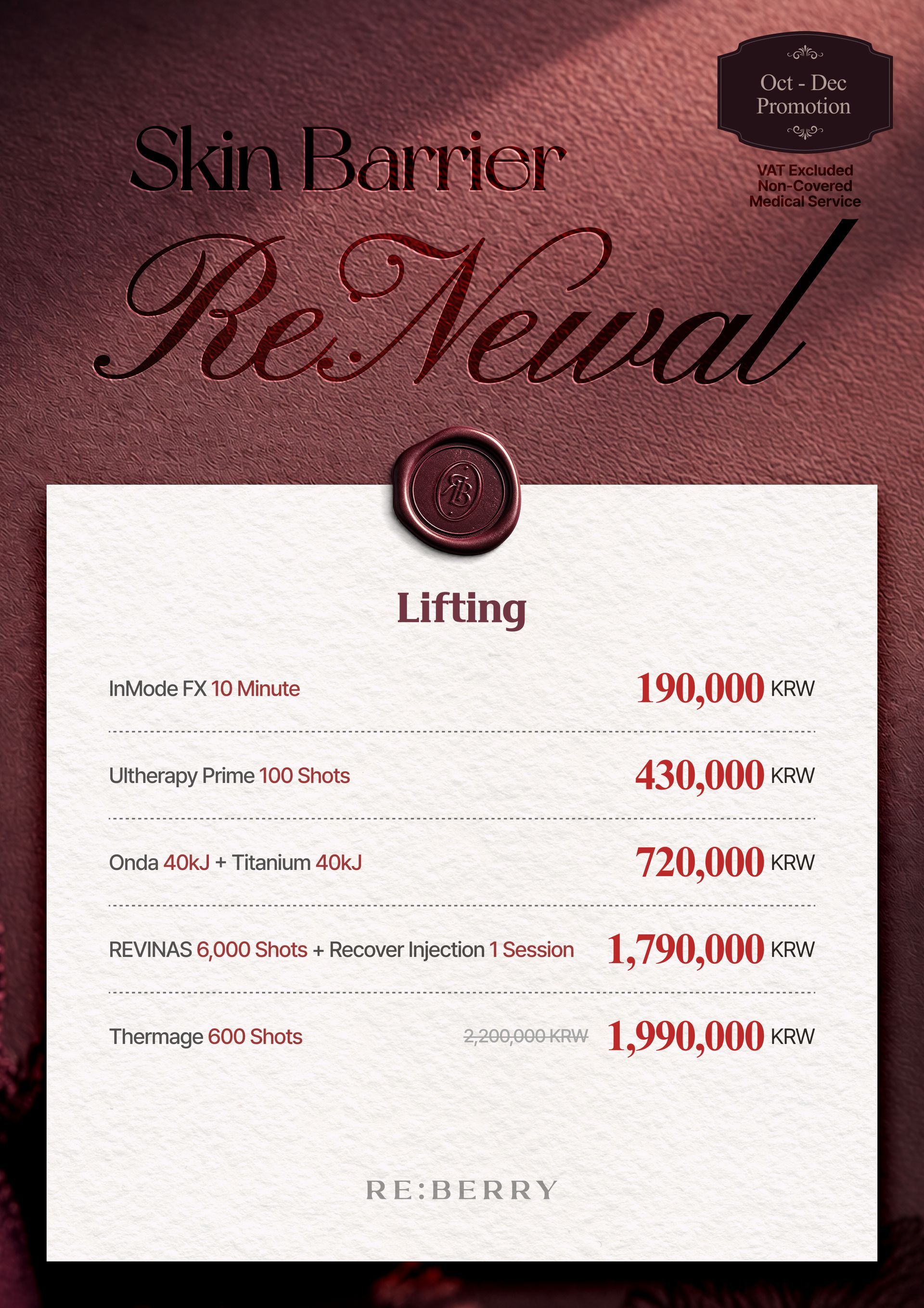
Cosmetic Thermage treatments are generally not covered by National Health Insurance.
Thermage is primarily offered as an elective aesthetic treatment for goals such as skin tightening and improvement in the appearance of skin laxity.
Patients should expect to pay the clinic's stated treatment price.
Does Korean Health Insurance Cover Ultherapy?
Ultherapy performed for cosmetic facial lifting or tightening is generally not covered.
This applies to aesthetic goals such as:
- Jawline definition
- Facial lifting
- Lower-face tightening
- Neck tightening
- Cosmetic skin laxity improvement
It is normally treated as an elective aesthetic expense.
Are Korean Laser Skin Treatments Covered?
This question is more complicated because “laser treatment” describes a technology rather than a single medical indication.
If the purpose is cosmetic, patients should generally expect the treatment to be non-covered.
Examples can include laser treatments performed primarily for:
- Cosmetic pigmentation improvement
- Freckles
- Lentigines
- Skin brightening
- Tattoo removal
- Hair removal
- Cosmetic skin rejuvenation
- Anti-aging
- Pore appearance
- General skin-tone improvement
However, a laser used as part of medically necessary treatment for a qualifying condition may be treated differently.
The diagnosis and medical indication are therefore more important than simply asking whether "laser treatment" is covered.
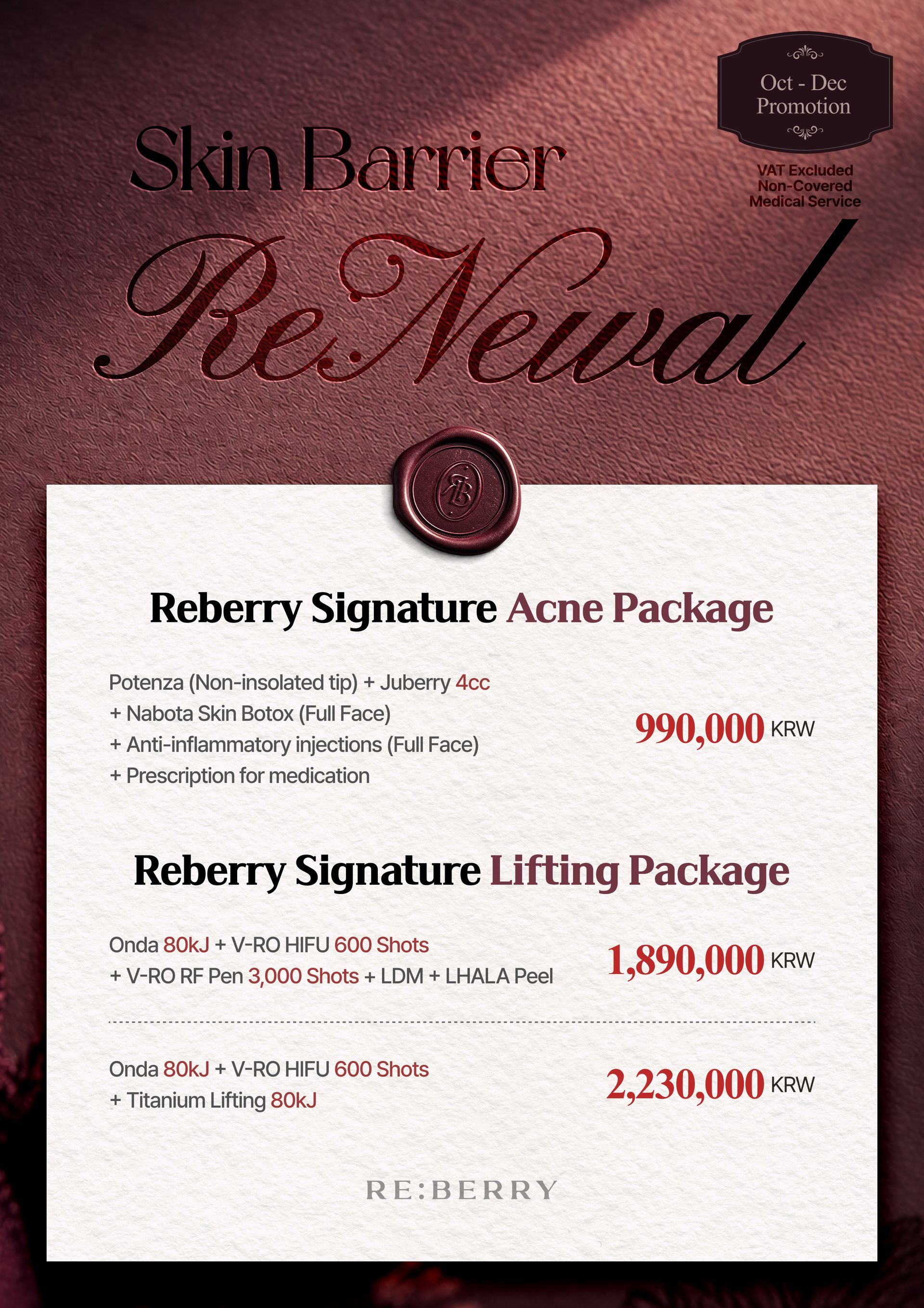
Is Acne Treatment Covered by Korean National Health Insurance?
Acne is a particularly important example because patients should not assume that every acne-related service has the same insurance status.
The Korean National Health Insurance non-covered rules specifically identify certain skin conditions when they do not interfere with work or daily life, including acne.
At the same time, a dermatology visit can contain a mixture of medically assessed services and elective cosmetic procedures.
For example, a patient might visit because of active acne but separately purchase an elective cosmetic laser, scar procedure or skin-care treatment.
The safest way to understand the bill is to ask the clinic which individual services are:
급여 — covered
and which are:
비급여 — non-covered
Does Korean Health Insurance Cover Acne Scar Treatment?
Cosmetic acne-scar improvement procedures are commonly self-pay.
This can include aesthetic procedures such as:
- Fractional laser
- RF microneedling
- Cosmetic resurfacing
- Subcision
- Skin boosters
- Scar-focused aesthetic programs
Do not assume that having a diagnosis of acne automatically makes subsequent cosmetic scar treatment an insured service.
Active disease treatment and cosmetic improvement of residual scarring can be treated differently.
Does Korean Health Insurance Cover Melasma and Pigmentation Treatment?
Cosmetic pigmentation treatment should generally be expected to be self-pay.
Korean regulations specifically identify several appearance-oriented skin concerns among services outside standard coverage in relevant circumstances.
Common elective treatments may include:
- Pico toning
- Laser toning
- Brightening lasers
- Pigmentation laser programs
- Melasma-focused aesthetic programs
- Freckle treatment
- Dark-spot treatment
The exact price depends on the clinic, device, treatment area and number of sessions.
Is Mole Removal Covered in Korea?
Not necessarily.
This is another example where medical necessity matters.
Removal performed simply because a patient dislikes the appearance of a benign mole should generally not be assumed to be covered.
However, assessment or treatment of a lesion because of a legitimate medical concern may fall into a different category.
A dermatologist may first need to determine what the lesion actually is and why it requires treatment.
Medical Dermatology vs Cosmetic Dermatology in Korea
This is the easiest way for international patients to understand the Korean system.
Medical Dermatology
The primary objective is diagnosing, managing or treating disease.
Depending on NHIS rules, qualifying care may receive insurance benefits.
Cosmetic Dermatology
The primary objective is changing or improving appearance.
Typical examples include:
“I want my face to look slimmer.”
“I want tighter skin.”
“I want brighter skin.”
“I want to reduce visible pores.”
“I want to improve wrinkles.”
“I want cosmetic pigmentation removed.”
These types of elective appearance-focused treatments generally fall outside National Health Insurance coverage.
Does Korean Health Insurance Cover Dermatology for Foreigners?
Foreign residents who are properly enrolled in Korea's National Health Insurance can receive the same National Health Insurance coverage framework as Korean citizens.
That does not mean every medical service is covered.
A foreign resident enrolled in NHIS can receive benefits for eligible covered healthcare, but elective cosmetic treatment remains non-covered simply because the patient has National Health Insurance.
In other words:
Korean NHIS member + medically covered dermatology → insurance may apply
Korean NHIS member + elective cosmetic dermatology → usually self-pay
Nationality is not what turns an aesthetic treatment into an insured treatment.
What About Tourists Visiting Korea?
Short-term medical tourists should distinguish Korean National Health Insurance from their own travel, international or private medical insurance.
Being treated at a Korean hospital or clinic does not automatically mean the patient is covered by Korean National Health Insurance.
Medical tourists commonly pay directly for elective dermatology treatments such as Botox, fillers, skin boosters, lasers and lifting procedures.
Patients relying on private or international insurance should separately check the terms of their own policy.
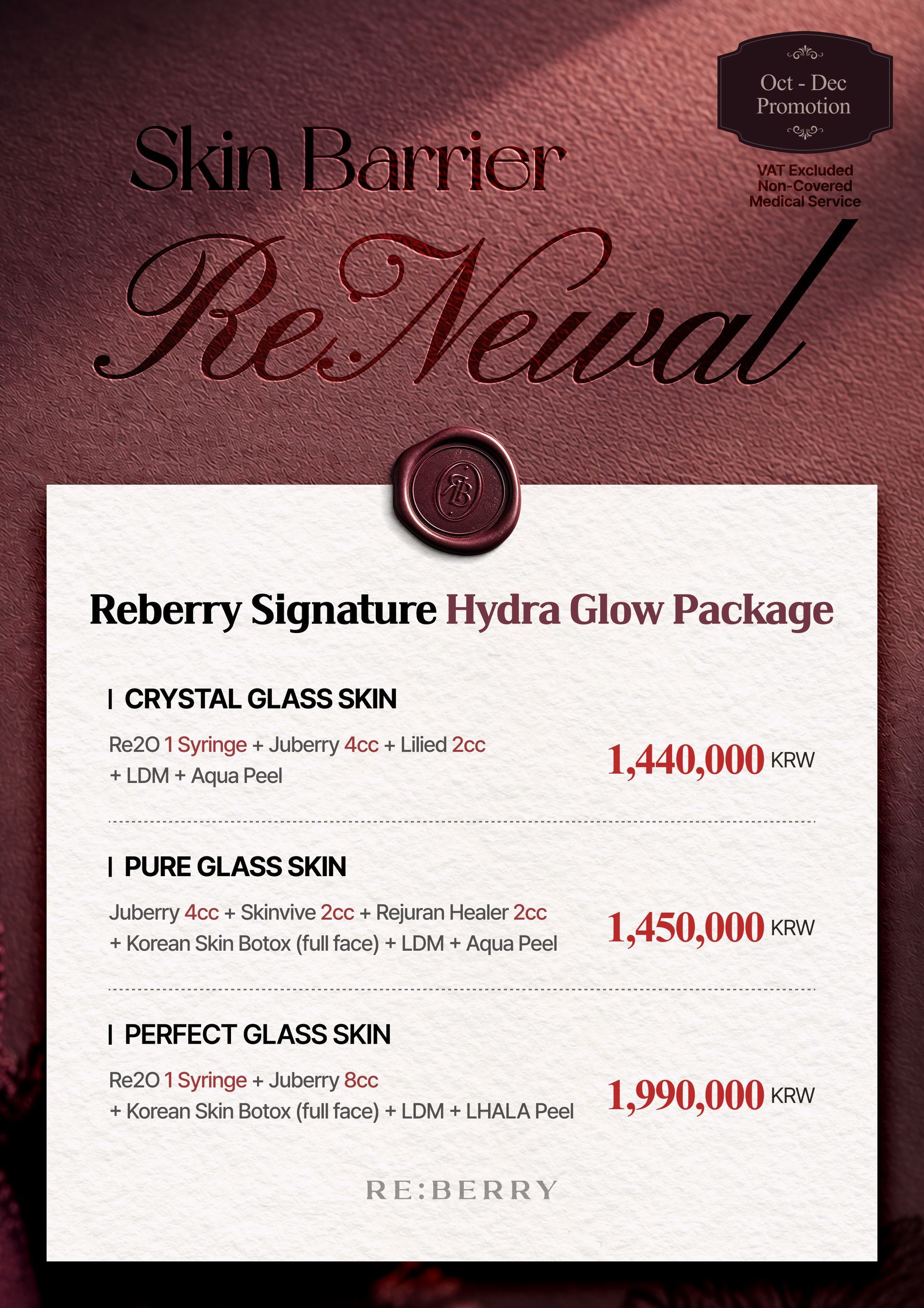
Why Do Cosmetic Dermatology Prices Vary So Much in Korea?
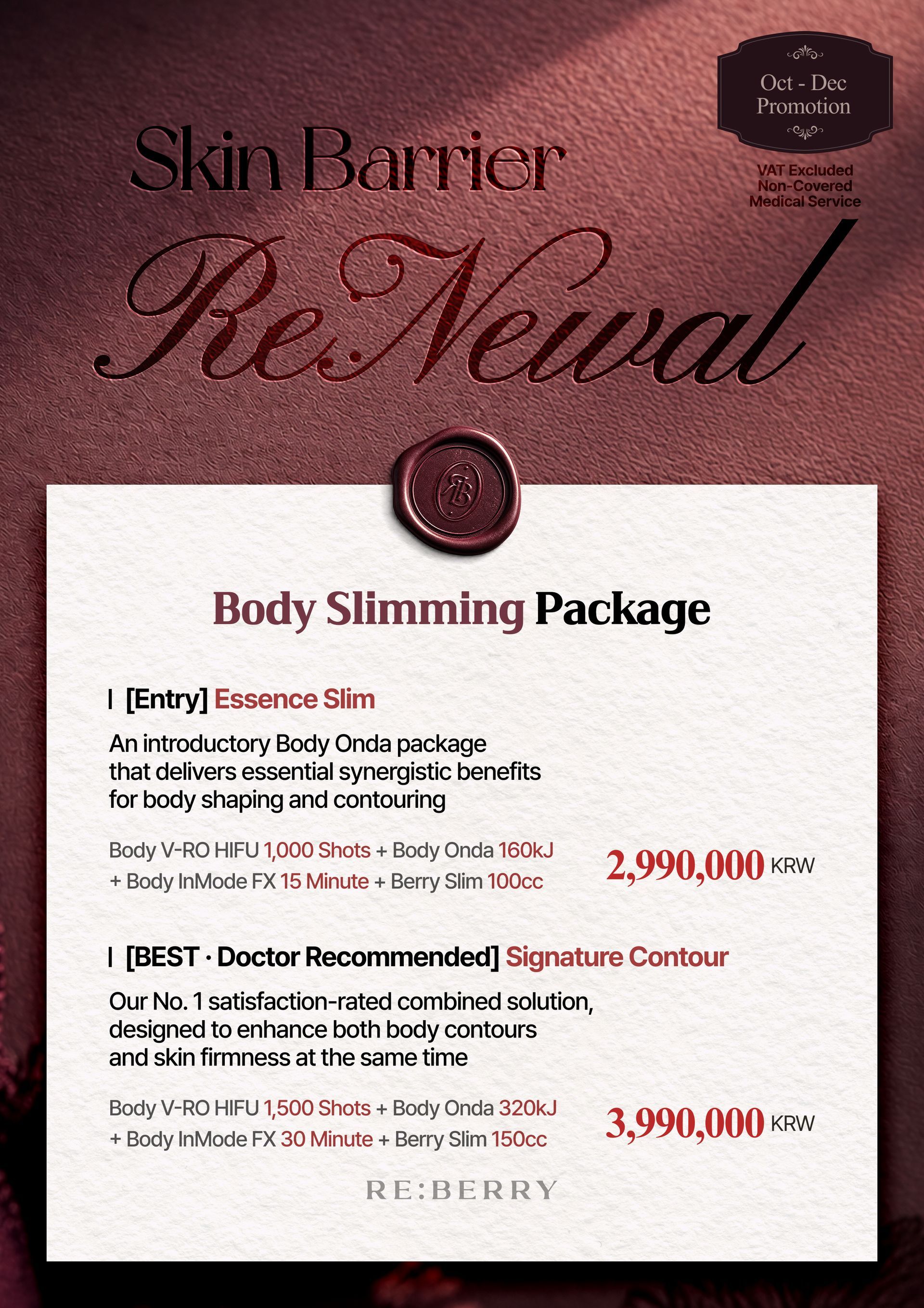
Because many aesthetic treatments are non-covered services, prices are not standardized in the same way as ordinary NHIS-covered medical services.
Two Seoul clinics may therefore charge different amounts for what appears to be the same treatment.
Price differences can reflect:
- Device or product used
- Number of shots
- Injectable dosage
- Treatment area
- Physician involvement
- Treatment protocol
- Combination treatments
- Clinic positioning
- Aftercare
- Promotional pricing
This makes comparing only the advertised headline price potentially misleading.
How to Ask a Korean Clinic Whether Insurance Applies
International residents can ask:
“Is this covered by Korean National Health Insurance?”
In Korean:
건강보험 적용되나요?
Geongang boheom jeogyong doenayo?
Another useful question is:
“Is this treatment non-covered?”
In Korean:
이 시술은 비급여인가요?
I sisureun bi-geup-yeo-ingayo?
And when both insured and uninsured services are involved:
“Which parts are covered by insurance and which are non-covered?”
급여와 비급여 항목을 알려주세요.
This is particularly useful when a medical dermatology consultation and optional cosmetic treatments are provided during the same visit.
Before Booking Cosmetic Dermatology in Korea
International patients should check five things before choosing an aesthetic treatment:
1. Is the treatment covered or non-covered?
Do not assume that a dermatologist performing the procedure means National Health Insurance applies.
2. What is included in the quoted price?
Check whether consultation, anesthesia, medication, aftercare or additional procedures cost extra.
3. What product or device is being used?
For treatments such as Thermage, Ultherapy, Botox, fillers, Rejuran and Juvelook, treatment specifications can matter as much as the headline price.
4. Is the advertised price conditional?
Promotional prices may apply only to particular treatment areas, quantities or packages.
5. What is the total expected cost?
For elective treatment, ask for the total expected self-pay price before proceeding.
Frequently Asked Questions
Does Korean health insurance cover dermatologists?
Korean National Health Insurance can cover eligible medical dermatology services. Coverage depends on the condition, medical necessity and specific service provided.
Does Korean health insurance cover cosmetic dermatology?
Generally no. Procedures performed primarily for cosmetic or appearance-improvement purposes are usually non-covered.
Does Korean health insurance cover Botox?
Cosmetic Botox is generally self-pay. Botox used for certain qualifying medical indications can have a different coverage status.
Does Korean health insurance cover fillers?
Elective cosmetic dermal fillers are generally not covered.
Is Rejuran covered by Korean health insurance?
Cosmetic Rejuran treatment should generally be expected to be a self-pay aesthetic service.
Is Juvelook covered by Korean health insurance?
Cosmetic Juvelook treatments are generally self-pay rather than ordinary NHIS-covered care.
Does Korean insurance cover Thermage?
Cosmetic Thermage skin-tightening treatment is generally not covered by National Health Insurance.
Does Korean insurance cover Ultherapy?
Elective Ultherapy for cosmetic lifting and tightening is generally self-pay.
Are skin lasers covered by Korean insurance?
Coverage depends on why the laser is medically required. Cosmetic laser treatments should generally be expected to be non-covered.
Is acne treatment covered in Korea?
Coverage depends on the clinical situation and service. Patients should not assume that every acne consultation, medication, procedure, laser or scar treatment has the same insurance status.
Is acne scar treatment covered?
Elective cosmetic acne-scar procedures are commonly non-covered.
Are pigmentation treatments covered?
Cosmetic pigmentation, freckle and skin-brightening treatments are generally self-pay.
Can foreigners use Korean National Health Insurance at a dermatologist?
Foreign residents enrolled in NHIS receive the same coverage framework as Korean citizens. Eligible medical care may be covered, while cosmetic treatments remain generally non-covered.
What does 비급여 mean?
비급여 means a service is outside National Health Insurance coverage. The patient generally pays the full cost.
Bottom Line
Korean National Health Insurance generally does not cover cosmetic dermatology performed primarily to improve appearance.
Botox for cosmetic purposes, fillers, Rejuran, Juvelook, Thermage, Ultherapy, skin rejuvenation, cosmetic pigmentation treatment, hair removal and similar aesthetic procedures should generally be expected to be self-pay treatments.
The situation can be different when a dermatologist is diagnosing or treating a genuine medical condition and the particular service satisfies Korean National Health Insurance coverage requirements.
For international residents, the most useful question at a Korean clinic is therefore not simply “Do you accept Korean health insurance?”
Ask:
“Is this specific consultation or treatment covered by NHIS, or is it 비급여?”
That distinction determines whether National Health Insurance contributes to the treatment cost or whether you pay the full price yourself.