Pico Laser in Seoul, Korea
Gangnam Re:berry Clinic
Pico Laser in Seoul, Korea
Advanced Pigmentation & Skin Rejuvenation at RE:BERRY Clinic Gangnam
Pico Laser is an advanced laser technology that delivers ultra-short picosecond pulses to target pigmentation, acne scars, and uneven skin tone with high precision. By breaking down pigment into extremely fine particles, Pico Laser allows the body to naturally eliminate discoloration while minimizing damage to surrounding tissue.
At RE:BERRY Clinic Gangnam, Pico Laser treatments are customized to safely treat various skin concerns while promoting clearer, brighter, and smoother skin.
What Is Pico Laser?
Pico Laser uses picosecond pulse durations (trillionths of a second) to create a powerful photomechanical effect rather than relying only on heat. This allows for more efficient pigment fragmentation and reduced downtime compared to traditional nanosecond lasers.
At RE:BERRY Clinic, Pico Laser is recommended for:
✔ Melasma and stubborn pigmentation
✔ Sunspots and freckles
✔ Acne scars
✔ Post-inflammatory hyperpigmentation
✔ Uneven skin tone
✔ Tattoo removal
✔ Overall skin brightening
Because of its precision, Pico Laser is suitable for various skin types when performed by experienced professionals.
Why Choose Pico Laser in Gangnam?
Gangnam is recognized for cutting-edge dermatology and laser technology. At RE:BERRY Clinic Gangnam, treatment settings are carefully adjusted based on skin type, pigment depth, and individual concerns.
The clinic offers:
- Advanced medical-grade Pico Laser systems
- Personalized pigmentation analysis
- Combination therapy options (laser + skin boosters)
- Foreigner-friendly service for international patients
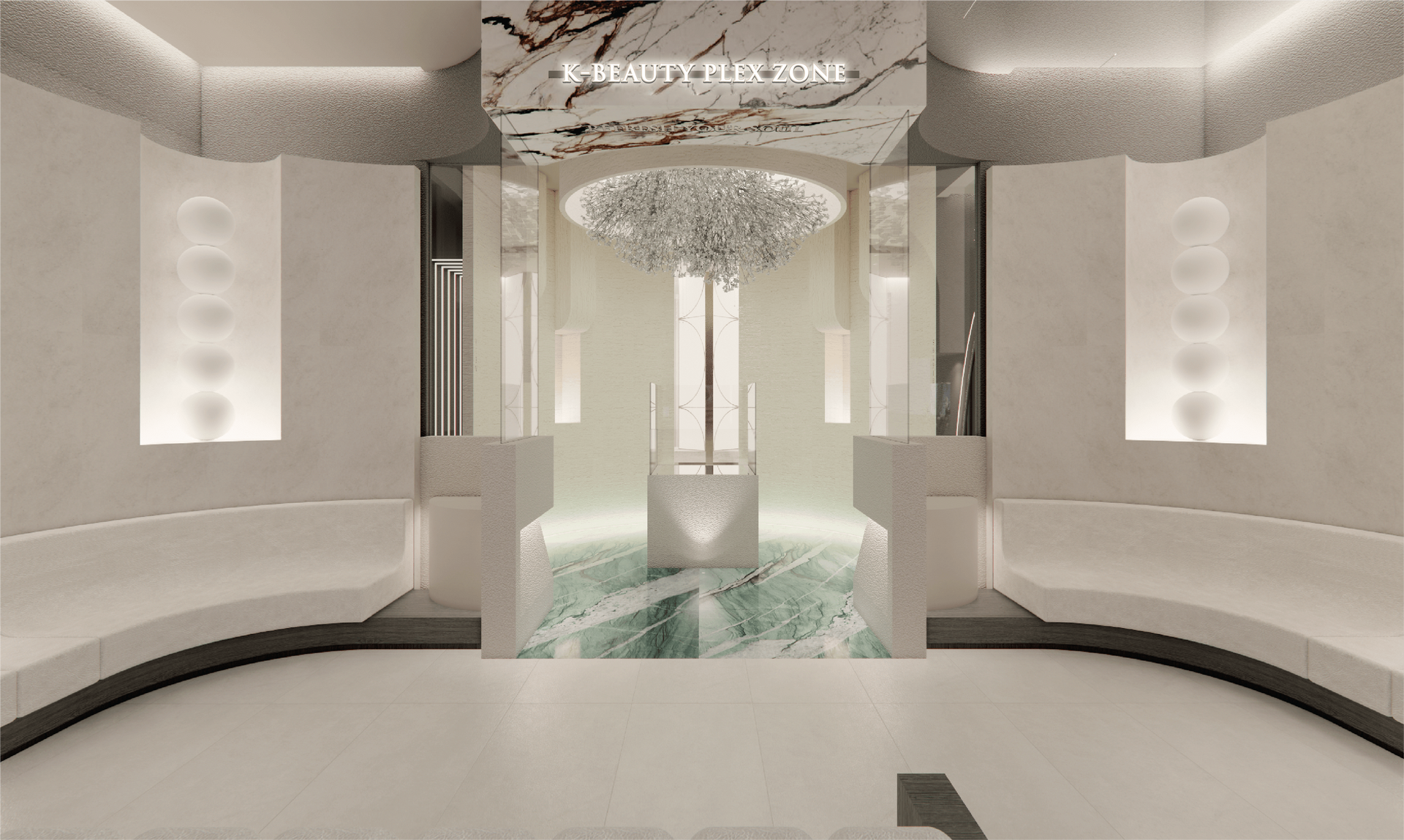
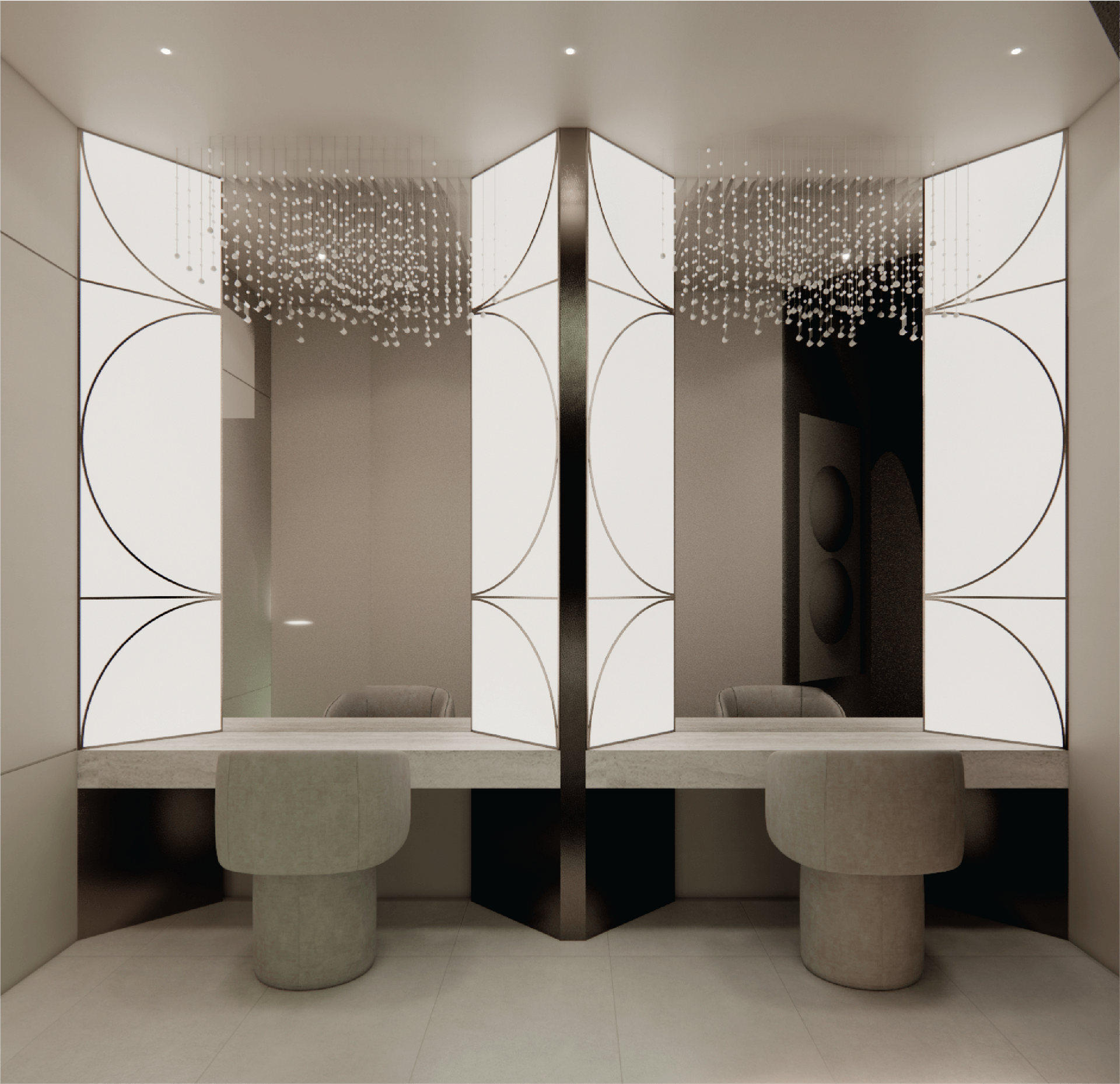
- Safe and professional clinical environment
Each session is tailored to deliver optimal results while protecting the skin barrier.
Benefits of Pico Laser Treatment
Pico Laser at RE:BERRY Clinic helps:
✔ Break down deep and stubborn pigmentation
✔ Brighten overall complexion
✔ Improve acne scars and texture
✔ Stimulate collagen production
✔ Minimize downtime compared to traditional lasers
Results improve progressively with multiple sessions as the skin regenerates.
What to Expect During Treatment
A typical Pico Laser session includes:
Treatment time: Approximately 15–30 minutes
Preparation: Skin cleansing and protective measures
Procedure:
- Targeted laser pulses delivered to treatment areas
- Mild tingling or snapping sensation
- Soothing care applied post-treatment
Recovery:
- Mild redness for several hours
- Temporary darkening of pigmented areas possible
- Minimal downtime in most cases
- Strict sunscreen use is essential
Depending on the condition, 3–6 sessions may be recommended for optimal results.
Pico Laser at RE:BERRY Clinic Gangnam
At RE:BERRY Clinic, Pico Laser treatments focus on safe, precise pigmentation correction and skin rejuvenation through advanced picosecond technology. Each treatment plan is personalized to enhance skin clarity, improve texture, and maintain long-term skin health.
Whether you are visiting Seoul or living in Korea, RE:BERRY Clinic provides a premium, foreigner-friendly Pico Laser experience in Gangnam.
📍 RE:BERRY Clinic Gangnam, Seoul
💌 Book your consultation for personalized Pico Laser treatment