Rejuran vs Exosome in Korea

Rejuran and Exosome are two of the most popular regenerative skin boosters in Korea. Both improve skin quality, support collagen production, and help restore a youthful glow — but they work in very different ways. Korean dermatologists often choose between them based on your skin condition, age, and treatment goals.
This guide breaks down their differences in a simple, easy-to-understand way.
What Is Rejuran?
Rejuran is a polynucleotide (PN) skin-healing injection made from salmon DNA fragments. It is known in Korea as a skin repair booster because it focuses on healing and strengthening the skin from within.
Main Benefits of Rejuran
- Improves elasticity
- Repairs damaged or weakened skin
- Reduces fine lines and rough texture
- Strengthens the skin barrier
- Enhances hydration and resilience
Rejuran is especially popular among people in their late 20s to 40s who want healthier, stronger, smoother skin without drastic changes.
What Is Exosome Skin Booster?
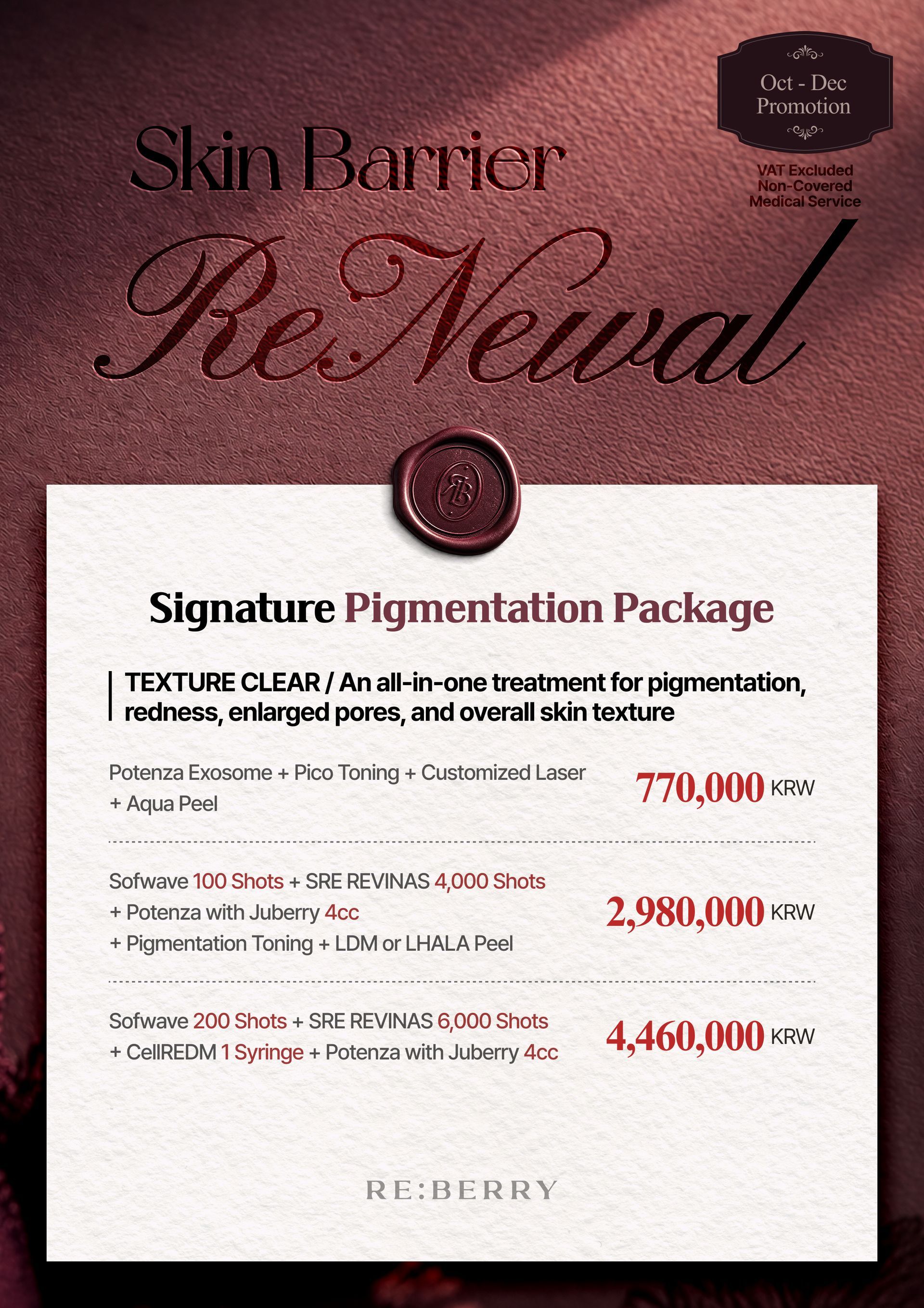
Exosome boosters use tiny extracellular vesicles that carry growth factors, peptides, and regenerative molecules. They help skin cells communicate and trigger deep healing and rejuvenation.
Main Benefits of Exosome
- Promotes deep collagen and elastin regeneration
- Improves skin recovery after lasers or microneedling
- Brightens dull or uneven skin tone
- Reduces inflammation and redness
- Helps with acne marks, pigmentation, and texture
Exosome is often described as a next-generation regenerative treatment because it works on a cellular level.
Rejuran vs Exosome: Core Difference
The key difference is in how they heal and rejuvenate the skin:
- Rejuran = Repair and strengthen. Ideal for barrier damage, thinning skin, and early aging.
- Exosome = Regenerate and restore. Ideal for pigmentation, scarring, inflammation, and deeper rejuvenation.
Rejuran focuses more on improving the foundation of the skin.
Exosome focuses more on transforming damaged or tired skin into healthier, brighter skin.
When to Choose Rejuran
Rejuran is the better option when you want:
- Smoother and firmer skin
- Repair after irritation, dryness, or barrier damage
- Reduced fine lines under the eyes or around the mouth
- More resilient, elastic skin
- A natural, healthy glow
Rejuran is gentle and great for sensitive or aging skin.
When to Choose Exosome
Exosome is ideal when you want:
- Faster healing after laser, RF microneedling, or peels
- Brighter, more even skin tone
- Reduced redness or inflammation
- Improvement in acne scars or texture damage
- Strong collagen and elastin stimulation
Exosome gives a revitalized, radiant look that feels like a skin “reset.”
Which One Gives a Better Glow?
For instant radiance, Exosome usually gives faster visible brightness.
For long-term healthy glow, Rejuran improves overall skin quality gradually but durably.
Can You Combine Rejuran and Exosome?
Yes — this is very common in Korean clinics. A typical approach is:
- Start with Rejuran to repair and strengthen
- Add Exosome to enhance regeneration and radiance
This layered method produces extremely natural and long-lasting results.
So… Which Should You Choose?
Choose Rejuran if your skin feels:
- Thin
- Rough
- Dehydrated
- Aging early
- Easily irritated
Choose Exosome if your skin is:
- Dull
- Uneven
- Acne-scarred
- Pigmented
- Slow to heal
Both are excellent — just used for different goals.