Nasolabial Fold Treatment in Korea
Nasolabial folds (also called “smile lines” or “laugh lines”) — the creases that run from the sides of the nose to the corners of the mouth — often deepen with age, volume loss, and reduced skin elasticity. In Korea, dermatology and aesthetic clinics are well recognized for their advanced, often non-surgical, approaches to soften or erase these folds while maintaining a natural look.
Here are the principal treatment options used, and how clinics typically choose among them.
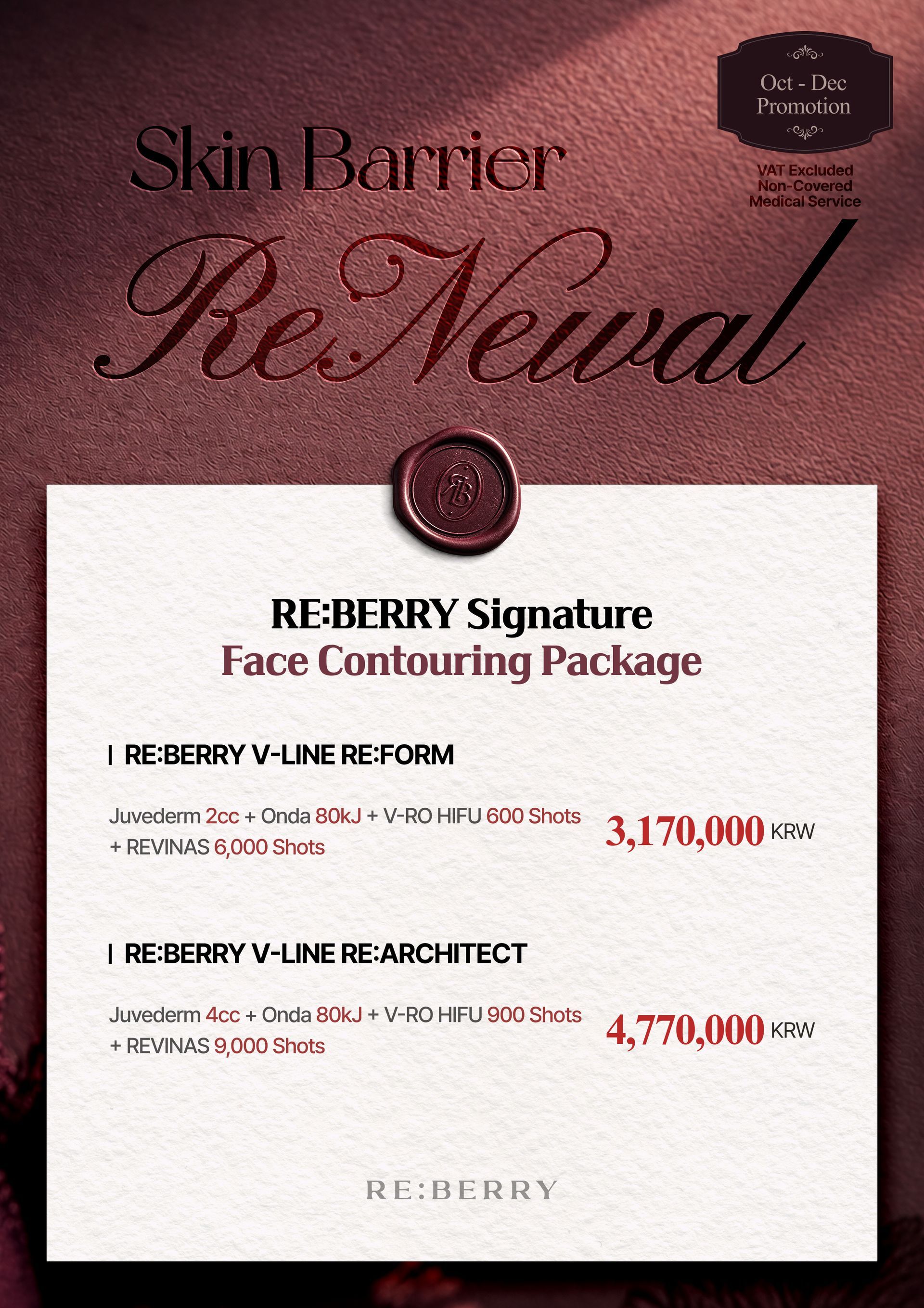
Dermal Fillers — the Go-To for Immediate Volume & Smoothness
One of the most common treatments for nasolabial folds in Korea is dermal fillers (often hyaluronic acid-based).
What It Does:
- Restores lost volume in mid-face and cheeks
- Softens deep folds by “lifting” the tissue from underneath
- Delivers visible results immediately
Best For:
- Deep or pronounced nasolabial folds
- Volume loss in cheeks / mid-face
- People seeking quick, minimal-downtime improvement
Fillers are widely used because they’re customizable (amount, depth) and can be finely tuned to preserve natural facial harmony while smoothing lines. Cheongdam Skin Clinic+2강남스킨케어클리닉+2
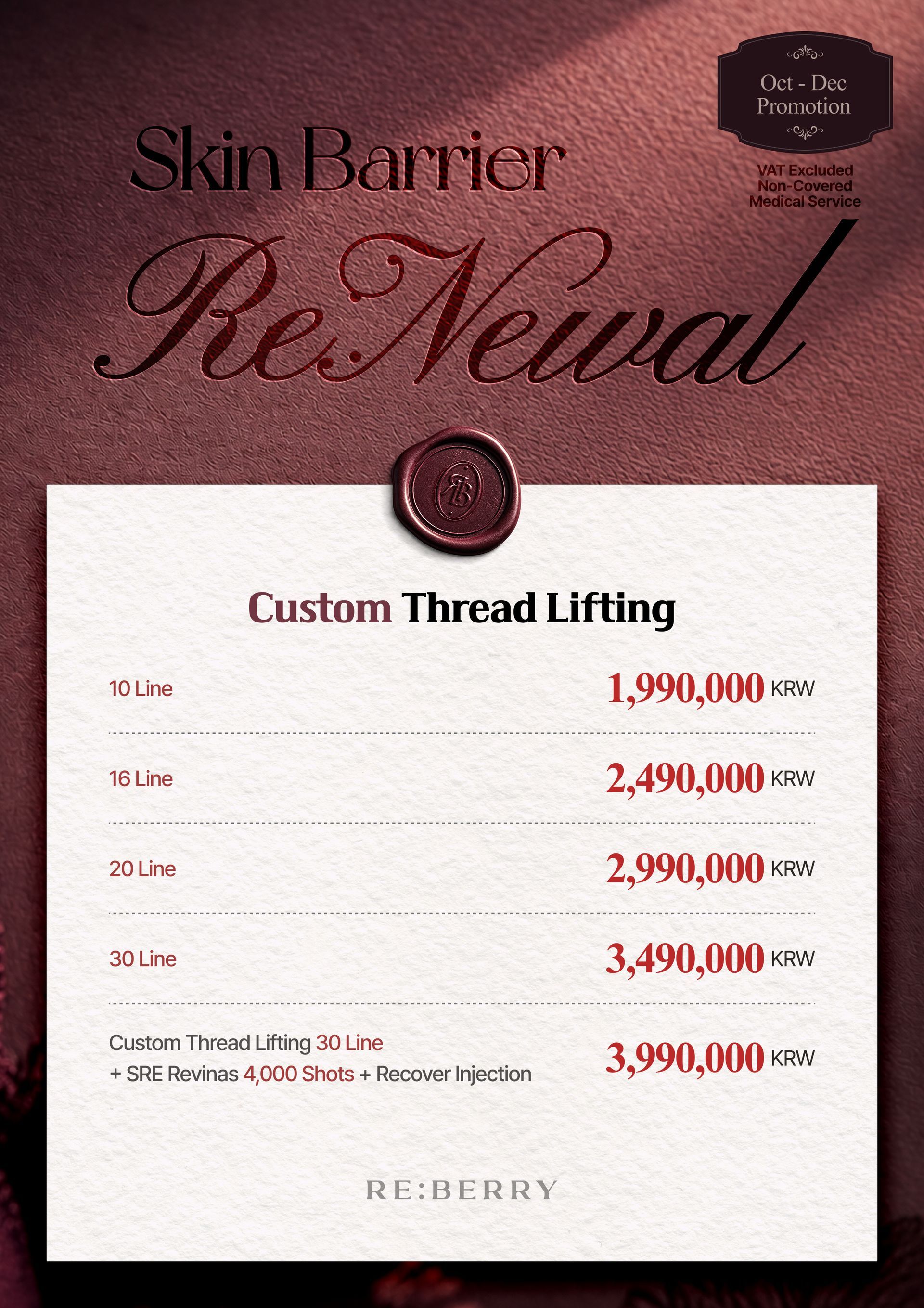
Thread Lifting — Lifting & Tightening Weak or Sagging Skin
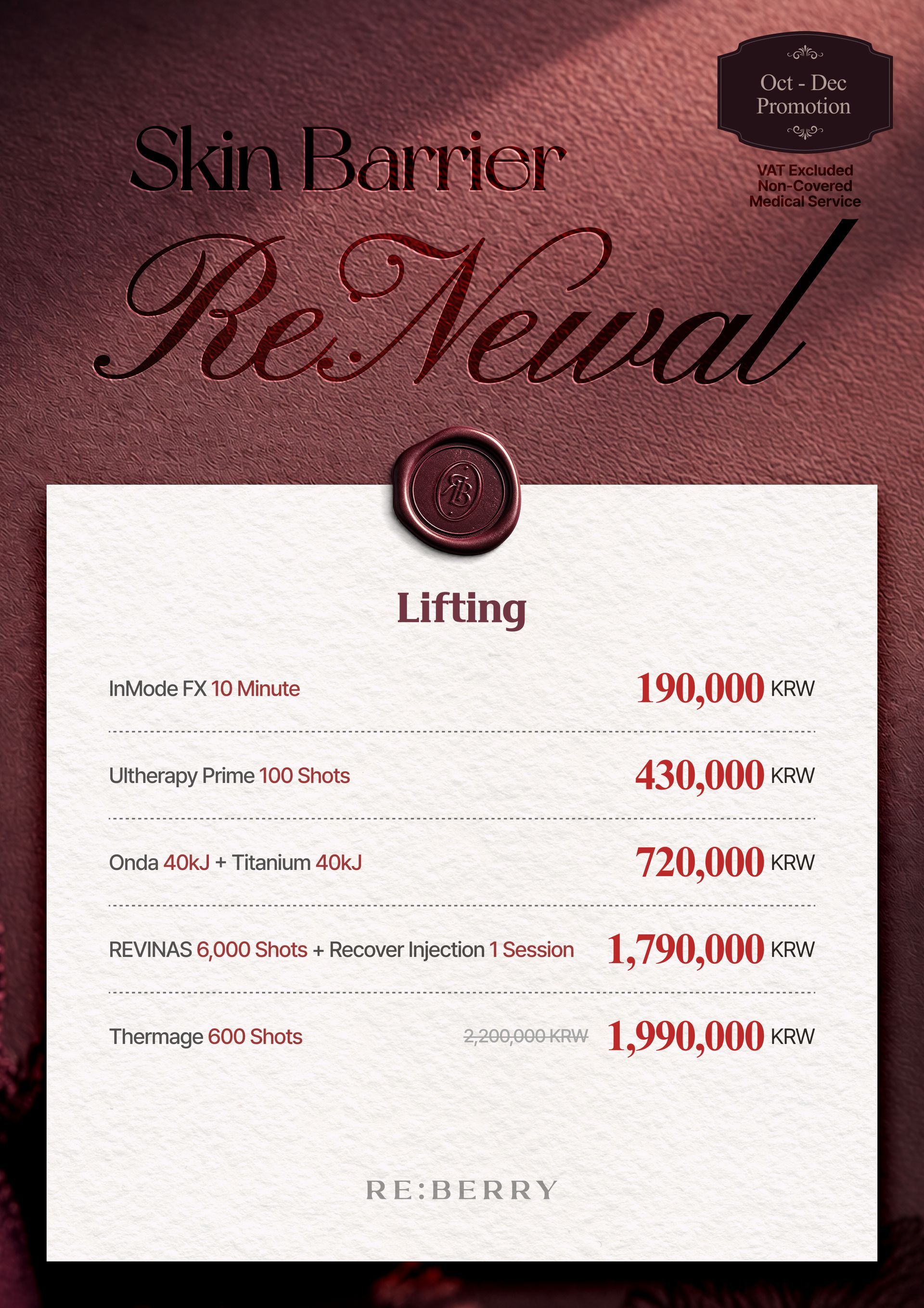
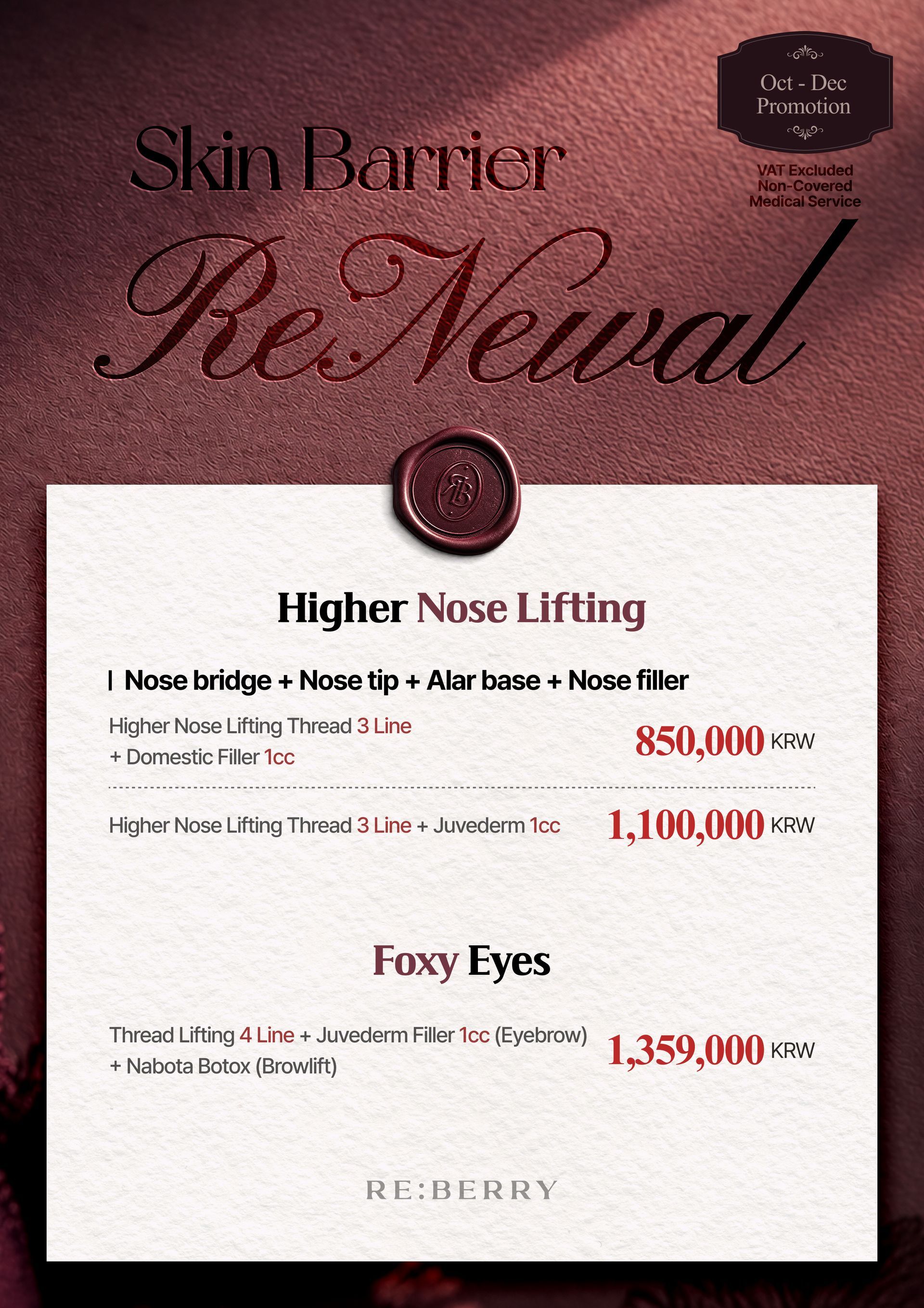
For nasolabial folds that come from sagging tissue rather than just volume loss, many Korean clinics offer thread lifts targeting the mid-face / smile-line area.
What It Does:
- Uses dissolvable medical threads to lift sagging cheeks or mid-face skin
- Provides structural support and repositions tissue upward
- Stimulates collagen remodeling over time, improving skin firmness and reducing fold depth
Best For:
- Patients with sagging, skin laxity, or weakened mid-face support
- Those who want a semi-permanent lift without full surgery
- People aiming for gradual, natural-looking rejuvenation PangPang+1
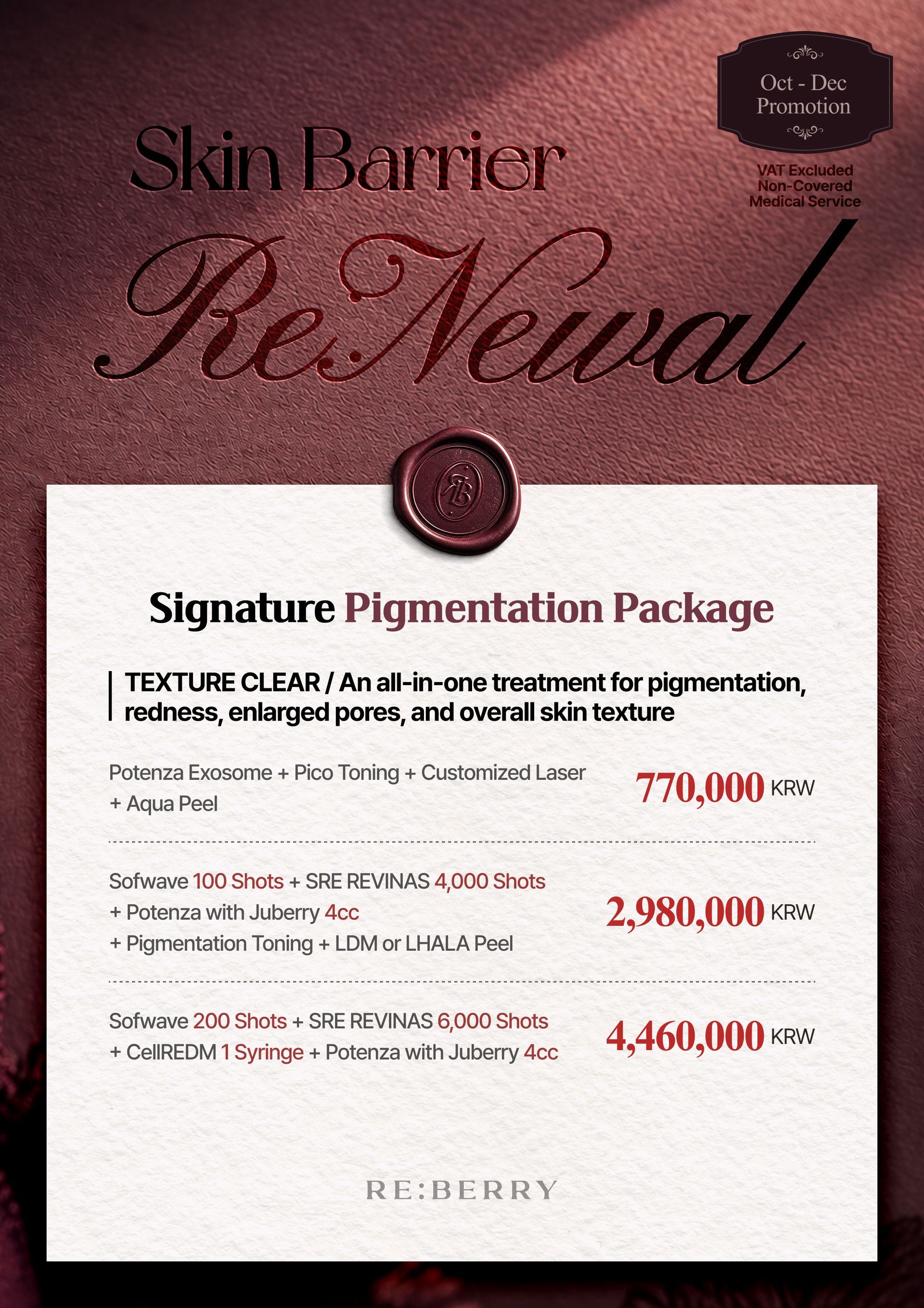
Skin & Collagen-Stimulating Treatments (RF, Microneedling, Skin Boosters)
Korean clinics often use milder, regenerative approaches — alone or as part of a combined plan — to improve skin quality, elasticity, and firmness, which helps soften nasolabial folds over time.
Common Methods:
- RF microneedling or fractional-radio-frequency treatments
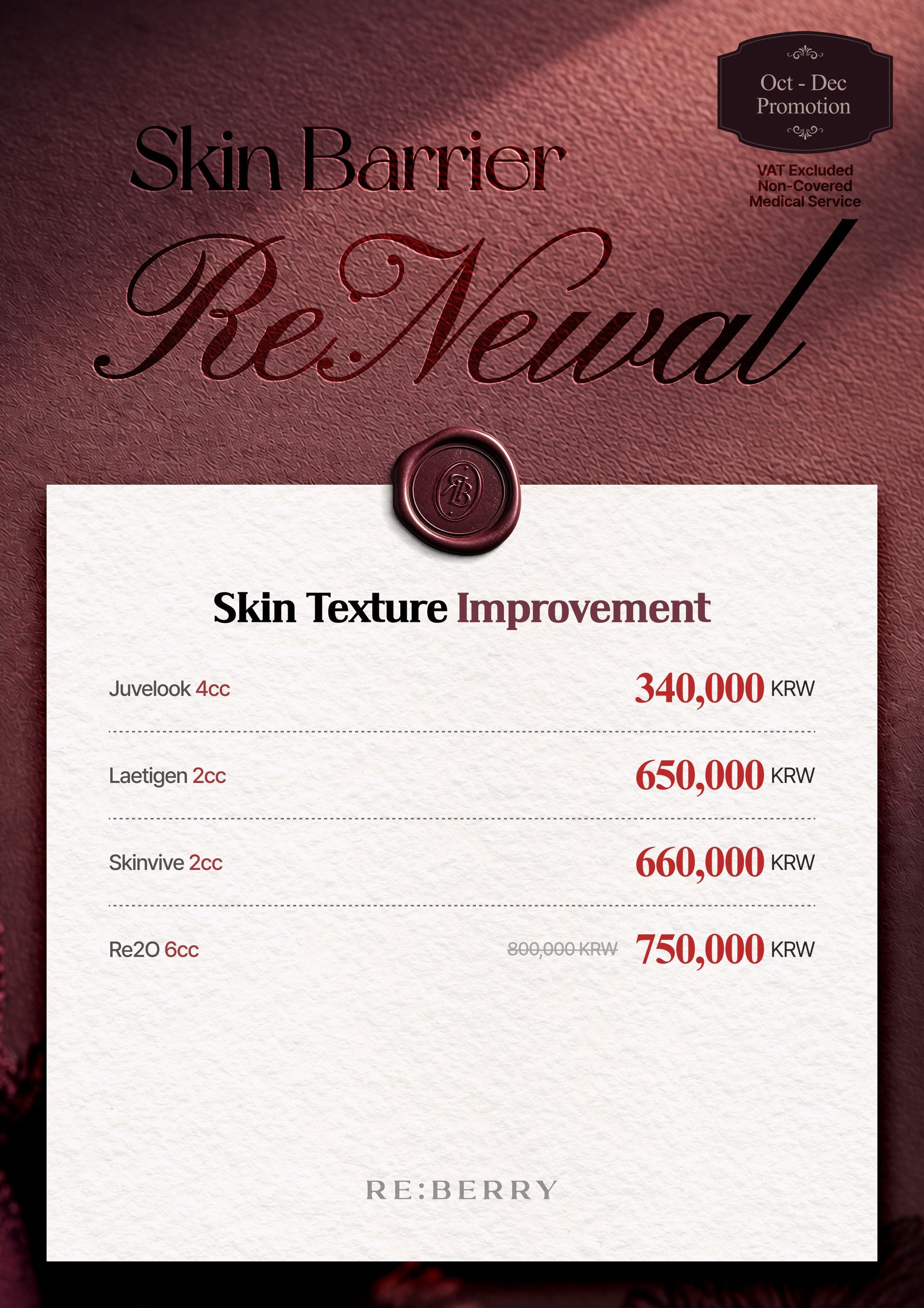
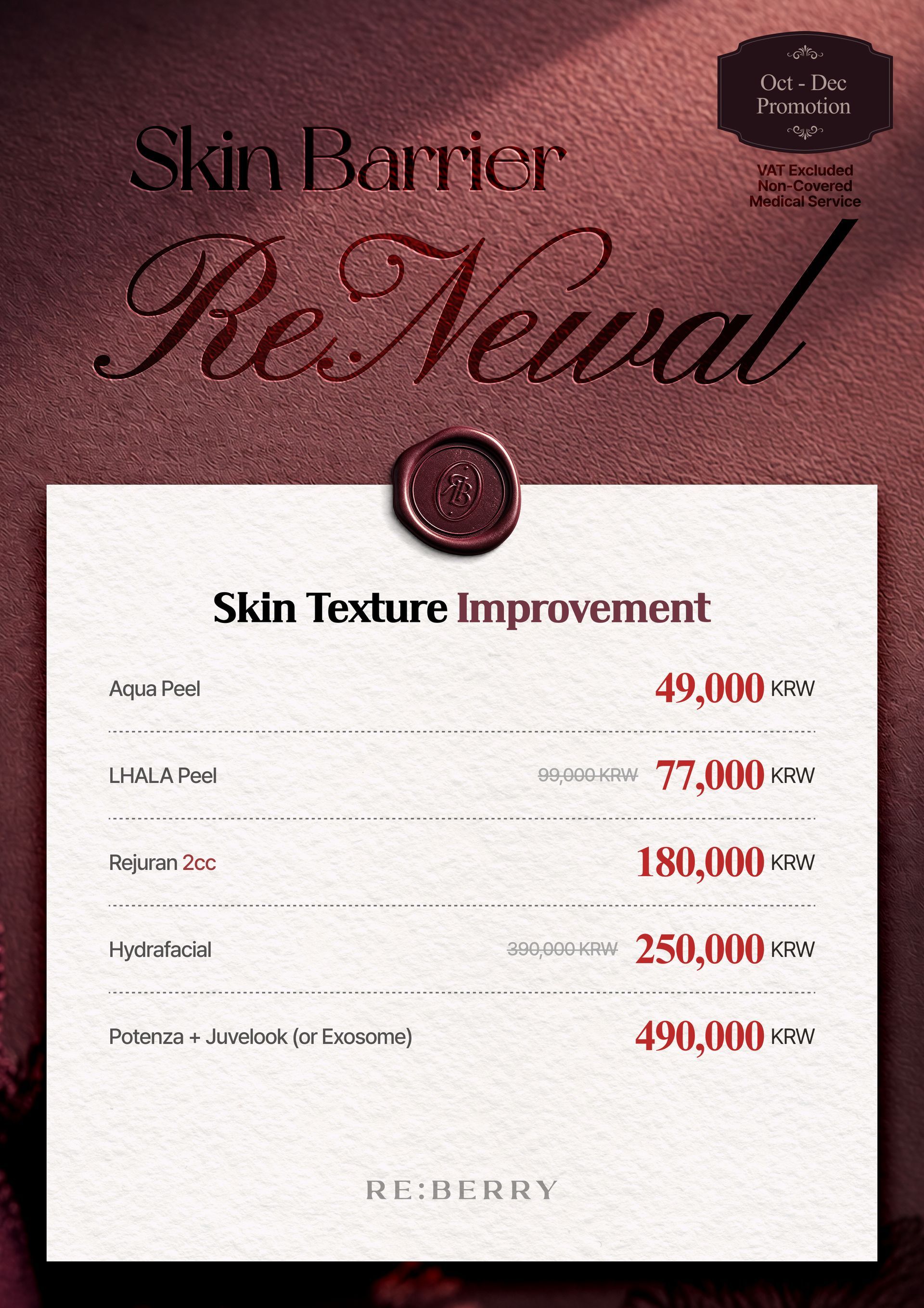
- Skin-booster injections, collagen-stimulating fillers, hydration & elasticity boosters
What They Do:
- Stimulate collagen and elastin production
- Improve skin texture and elasticity
- Give gradual tightening and smoothing
Best For:
- Early-stage folds, fine lines, or mild sagging
- Patients wanting subtle, low-downtime rejuvenation
- Use as maintenance or in combination with fillers/threads Cheongdam Skin Clinic+1
Layered / Combination Treatment Plans — Korea’s Signature Strategy
Many Korean dermatology clinics recommend a combination of treatments rather than a “one-size-fits-all” solution. For example:
- Filler + Thread Lift: Immediate volume restoration + structural lift
- Thread Lift + Skin Boosters: Lift sagging tissue and support long-term collagen regeneration
- Filler + RF Microneedling / Skin Boosters: Smooth volume loss and improve skin firmness/elasticity
This layered approach addresses all root causes of nasolabial folds (volume loss, sagging, skin laxity, loss of collagen), often producing the most natural and long-lasting results. Cheongdam Skin Clinic+2PangPang+2
What to Expect in Korea: Treatment Flow, Results & Recovery
- Consultation & Assessment: Skilled dermatologists will examine facial structure, volume loss, skin elasticity — then propose a tailored plan. Seoul Delight Dermatology Clinic+1
- Procedure Time: Filler or thread treatments usually take 15–45 minutes; microneedling or RF may take similar time.
- Recovery: Minimal downtime; filler swelling or slight bruising may last 1–2 days. Thread lift swelling may last a bit longer but is generally mild.
- Results & Longevity:
- Fillers: immediate smoothing; effects typically last 6–12 months depending on filler type & metabolism. 강남스킨케어클리닉+1
- Thread lifts: lift effect often lasts 12–18 months or longer depending on collagen response. PangPang+1
- Skin-quality treatments: gradual improvement over several sessions; best as maintenance.
Who Should Consider Nasolabial Fold Treatment — and What to Choose
- Deep folds due to volume loss: Dermal fillers
- Sagging mid-face, skin laxity, aging support loss: Thread lift ± skin boosters
- Early lines, mild laxity, or desire for subtle improvement: RF/microneedling + skin-quality boosters
- Long-term maintenance or multi-factor aging: Combination plan
If you prefer subtle, natural results rather than dramatic changes, a combination of gentle lifting + volume + skin maintenance tends to deliver the best balance and longevity.