HIFU vs RF vs Thread Lifting in Korea
HIFU vs RF vs Thread Lifting in Korea: What’s the Difference?
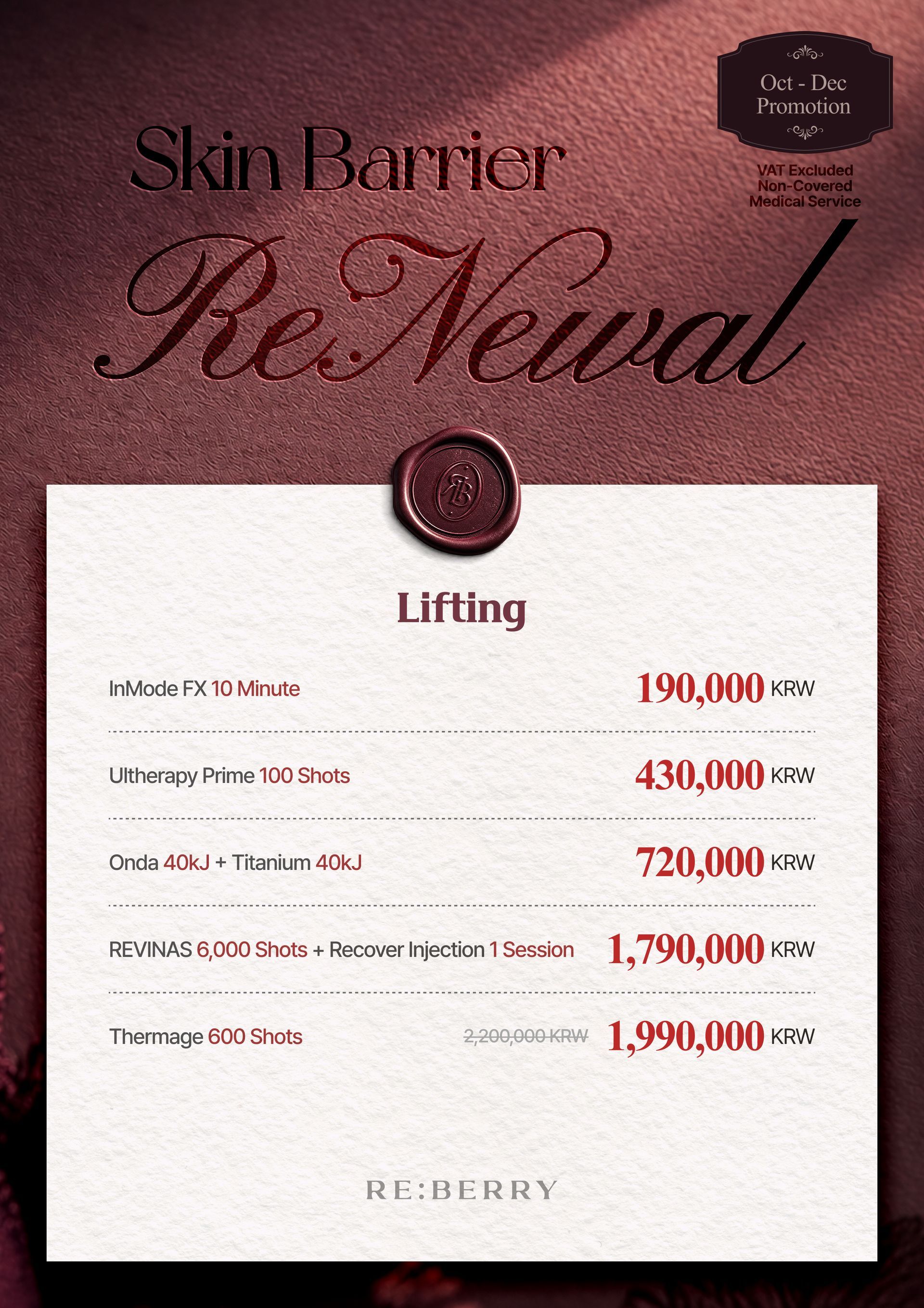
In Korea, non-surgical lifting treatments are widely used to address facial sagging, skin laxity, and loss of firmness. Among the most common options are HIFU lifting, RF lifting, and Thread lifting.
Although these treatments are often grouped together as “lifting procedures,” they work in very different ways and are suited to different stages of aging and skin conditions. Understanding these differences helps set realistic expectations before treatment.
What Is HIFU Lifting?
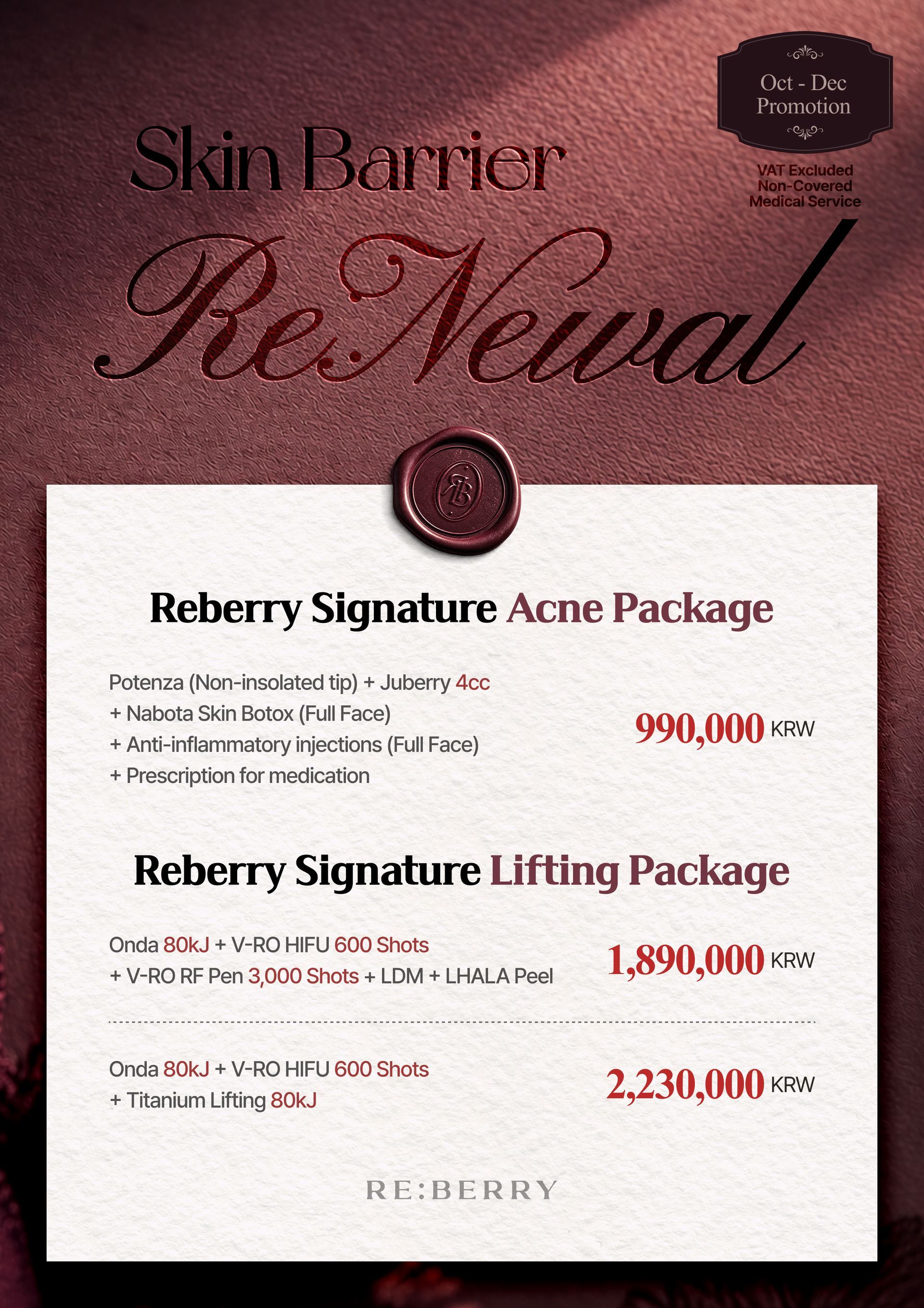
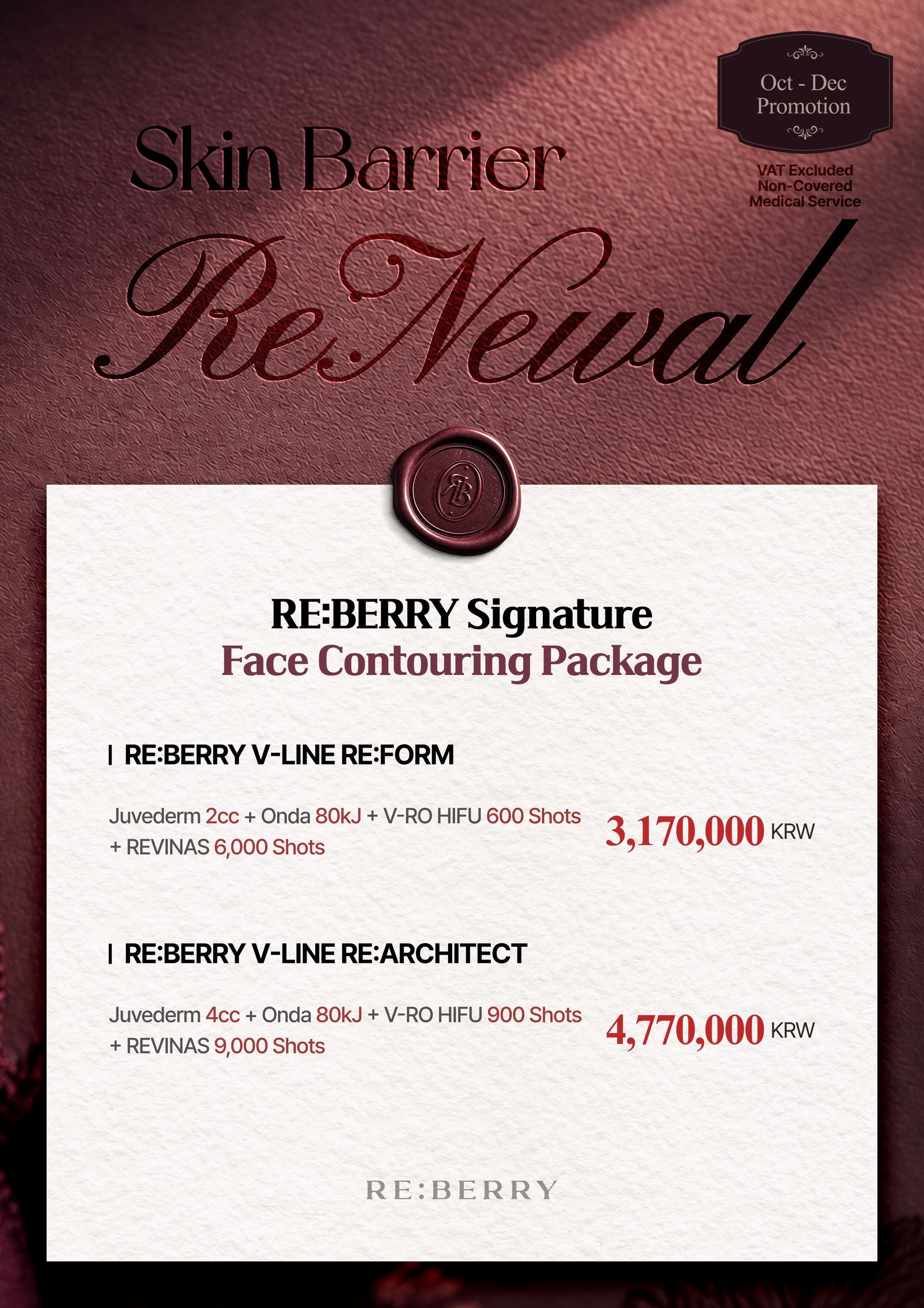
HIFU (High-Intensity Focused Ultrasound) lifting uses focused ultrasound energy to target deep structural layers beneath the skin, including the SMAS layer. The controlled heat stimulates collagen contraction and regeneration over time.
In Korea, HIFU is commonly chosen for individuals with mild to moderate sagging who want non-surgical tightening without downtime.
HIFU does not add volume or mechanically pull the skin. Instead, it relies on the body’s natural collagen response, which means results are gradual rather than immediate.
What Is RF Lifting?
RF (Radiofrequency) lifting delivers controlled heat to the dermal and subdermal layers of the skin. This heat improves collagen elasticity and skin texture, leading to gradual tightening.
RF lifting is often used for early signs of skin laxity, skin thinning, or loss of firmness rather than deeper sagging. In Korea, RF is frequently selected for patients who prioritize skin quality, smoothness, and overall firmness.
RF lifting does not reach as deeply as HIFU and does not mechanically lift tissue.
What Is Thread Lifting?
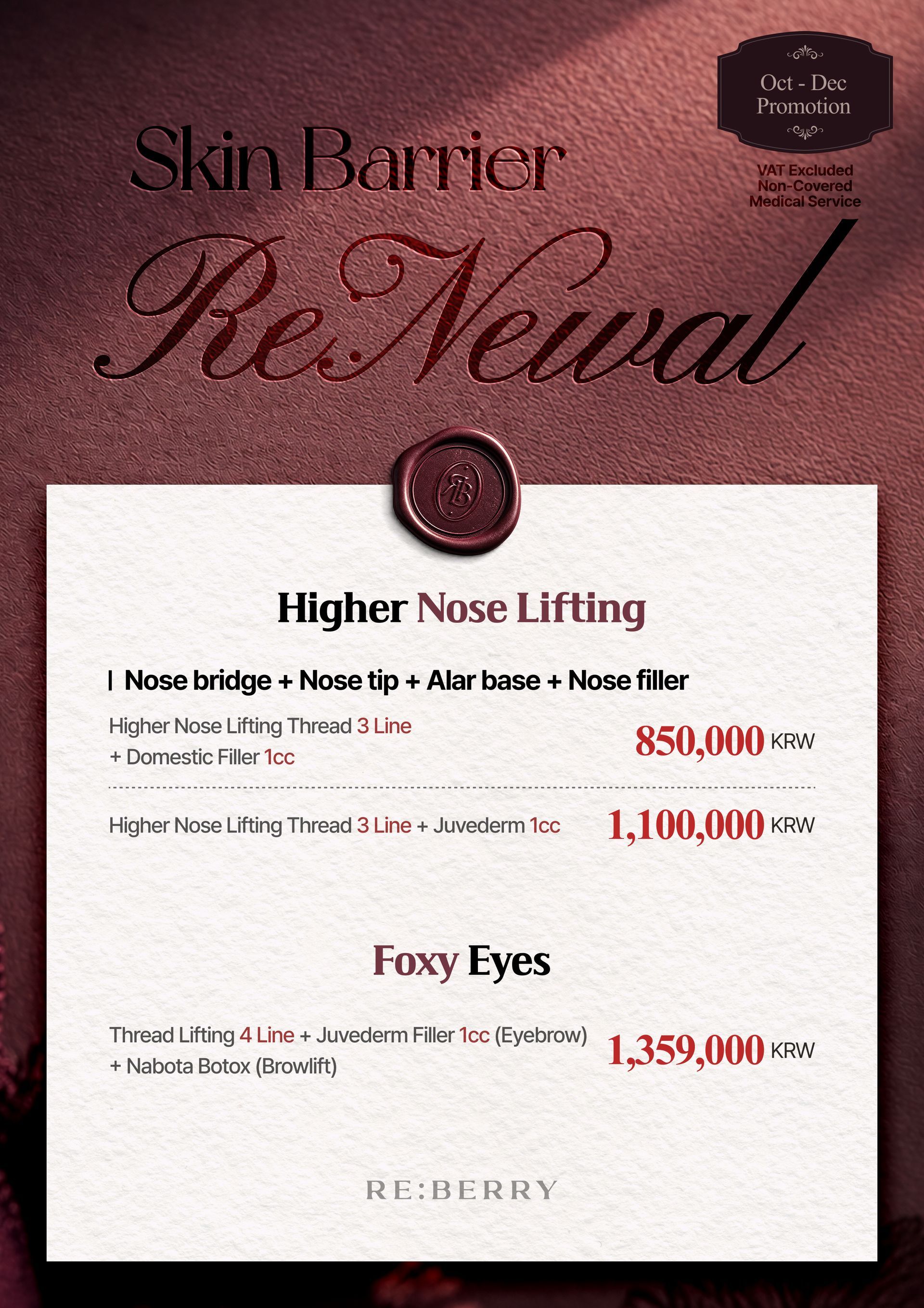
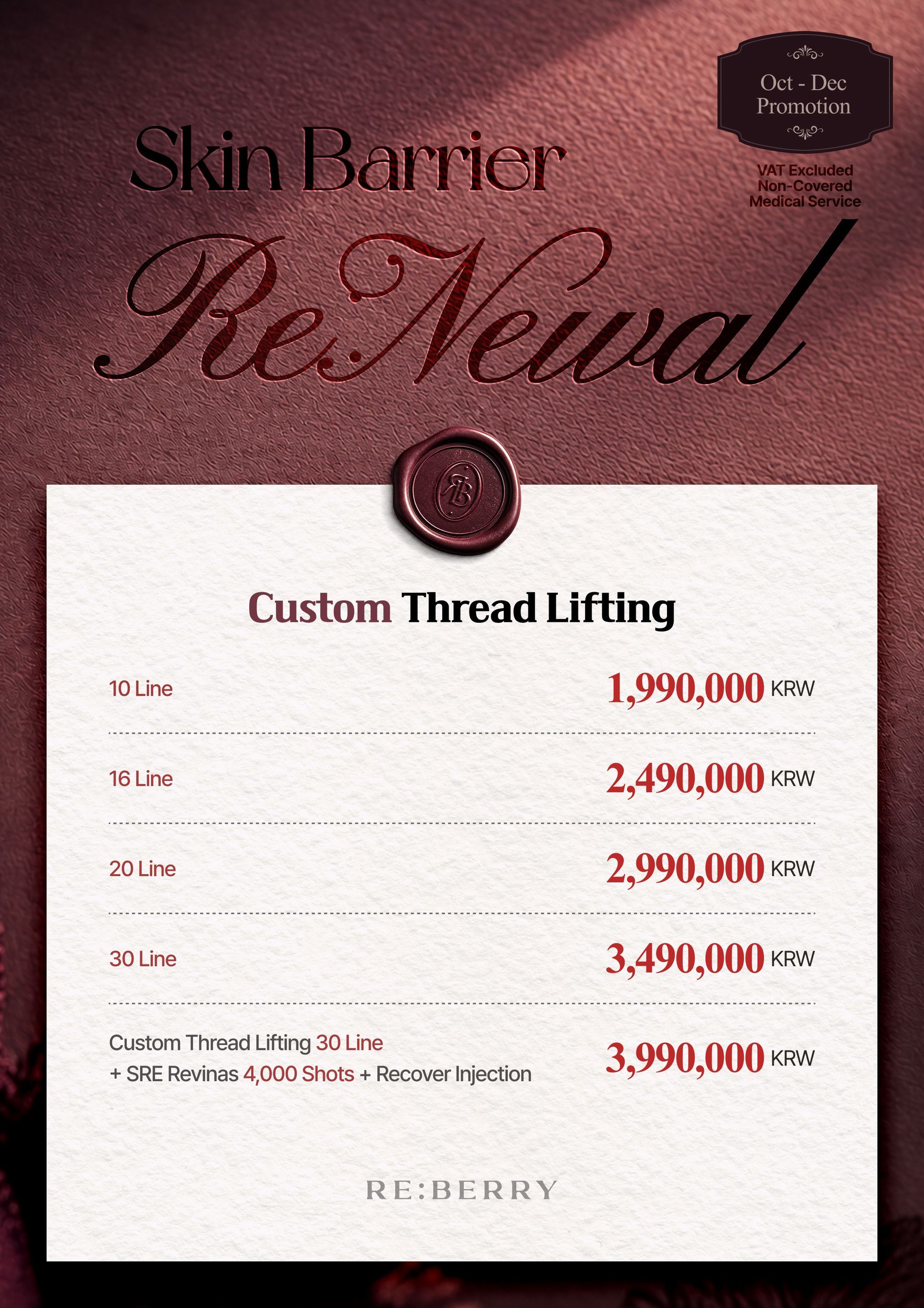
Thread lifting is a minimally invasive procedure that uses dissolvable medical threads inserted beneath the skin to create an immediate lifting effect. The threads also stimulate collagen as they dissolve over time.
In Korea, thread lifting is commonly used for individuals with moderate sagging who want visible lifting without full surgical facelift procedures.
Thread lifting provides instant contour improvement, but it is still considered a procedure and typically involves more downtime than HIFU or RF.
Key Differences in How They Work
HIFU works by stimulating deep collagen remodeling using focused ultrasound.
RF works by improving skin elasticity and firmness through controlled heat.
Thread lifting works by physically lifting and supporting sagging tissue.
Because the mechanisms are different, these treatments are not interchangeable.
Which Treatment Is Best for Different Concerns?
HIFU lifting is generally chosen when deeper structural tightening is needed but surgery is not desired.
RF lifting is better suited for early aging signs, skin thinning, or texture concerns where firmness is the main goal.
Thread lifting is often selected when visible sagging is present and a stronger lifting effect is required.
In Korean clinics, these treatments are frequently combined rather than used alone.
Results and Timing
HIFU results develop gradually over 2–3 months as collagen regenerates.
RF results appear more subtly and progressively with improvements in skin quality.
Thread lifting provides immediate lifting, with collagen support developing later.
None of these treatments stop aging permanently, and maintenance may be required.
Downtime and Recovery
HIFU and RF generally have minimal downtime, with temporary redness or warmth.
Thread lifting may involve swelling, bruising, or soreness, and recovery time varies depending on technique and thread type.
How Korean Clinics Approach Lifting Treatments
In Korea, lifting treatments are often selected based on:
- Skin thickness
- Degree of sagging
- Facial structure
- Age and collagen quality
- Lifestyle and downtime tolerance
Rather than choosing only one method, many treatment plans use layered approaches, such as RF for skin quality, HIFU for deeper tightening, and threads for structural lift.
Final Thoughts
HIFU, RF, and Thread Lifting each address different aspects of facial aging. None is universally “better” than the others.
The best results in Korea often come from proper selection or combination based on individual anatomy and aging patterns rather than following trends or device names alone.
A professional consultation is essential to determine which approach—or combination—is appropriate.