Exosome Therapy After Laser: Does It Really Speed Up Healing?
Short answer: Exosome products applied after laser may help calm redness and support recovery, and some small studies report faster settling of post-laser redness compared with standard care. The evidence is still early, though, with small trials, varied products and limited long-term data. In Korea, most exosome products used after laser are applied to the skin rather than injected, and are regulated mainly as cosmetics. Think of exosomes as a possible extra, not a replacement for good laser technique and aftercare.
What are exosomes?
Exosomes are tiny particles, a type of extracellular vesicle, that cells release to communicate with each other. They carry proteins, lipids and genetic material such as RNA. In laboratory work, exosomes from certain cells, especially stem cells, appear to influence inflammation, collagen production and tissue repair.
Skincare and aesthetic products use exosomes, or exosome-like vesicles, taken from different sources. These include human stem cell cultures, animal sources and plants. Products vary a lot in source, purity, concentration and how they are tested, which makes it hard to compare one brand with another or to generalise from a single study.
Why are exosomes used after laser?
Many laser treatments work by creating controlled injury so the skin rebuilds. Fractional and ablative lasers in particular create tiny channels and leave the skin red, warm and sometimes swollen. Applying an exosome product straight afterwards takes advantage of those open channels to help the product reach deeper layers.
The aims are to:
- Reduce redness and the feeling of heat in the first days.
- Support a quicker return to normal-looking skin.
- Possibly lower the risk of post-inflammatory pigmentation, which is a concern for darker skin types.
- Add a regenerative boost to collagen-building treatments.
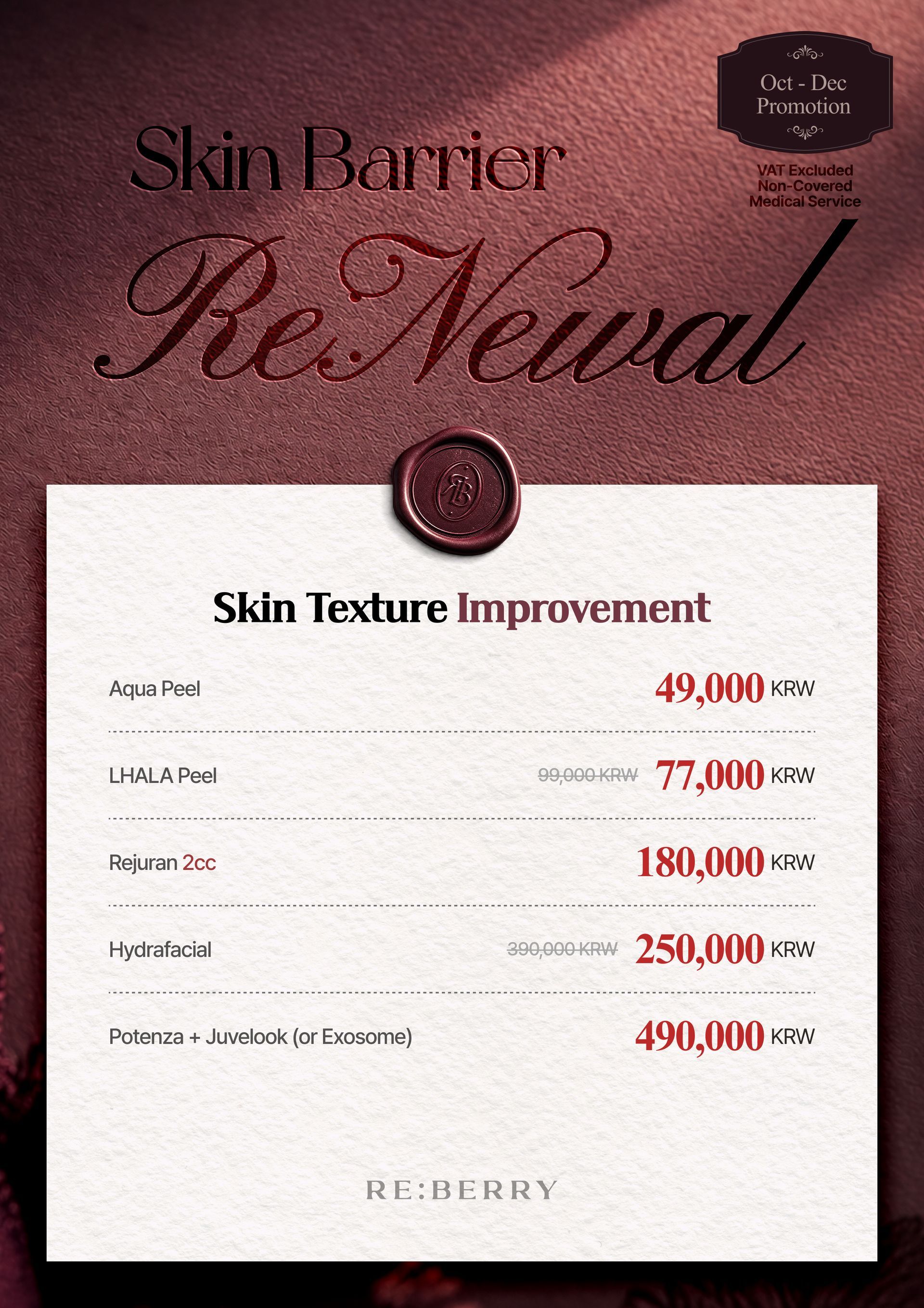
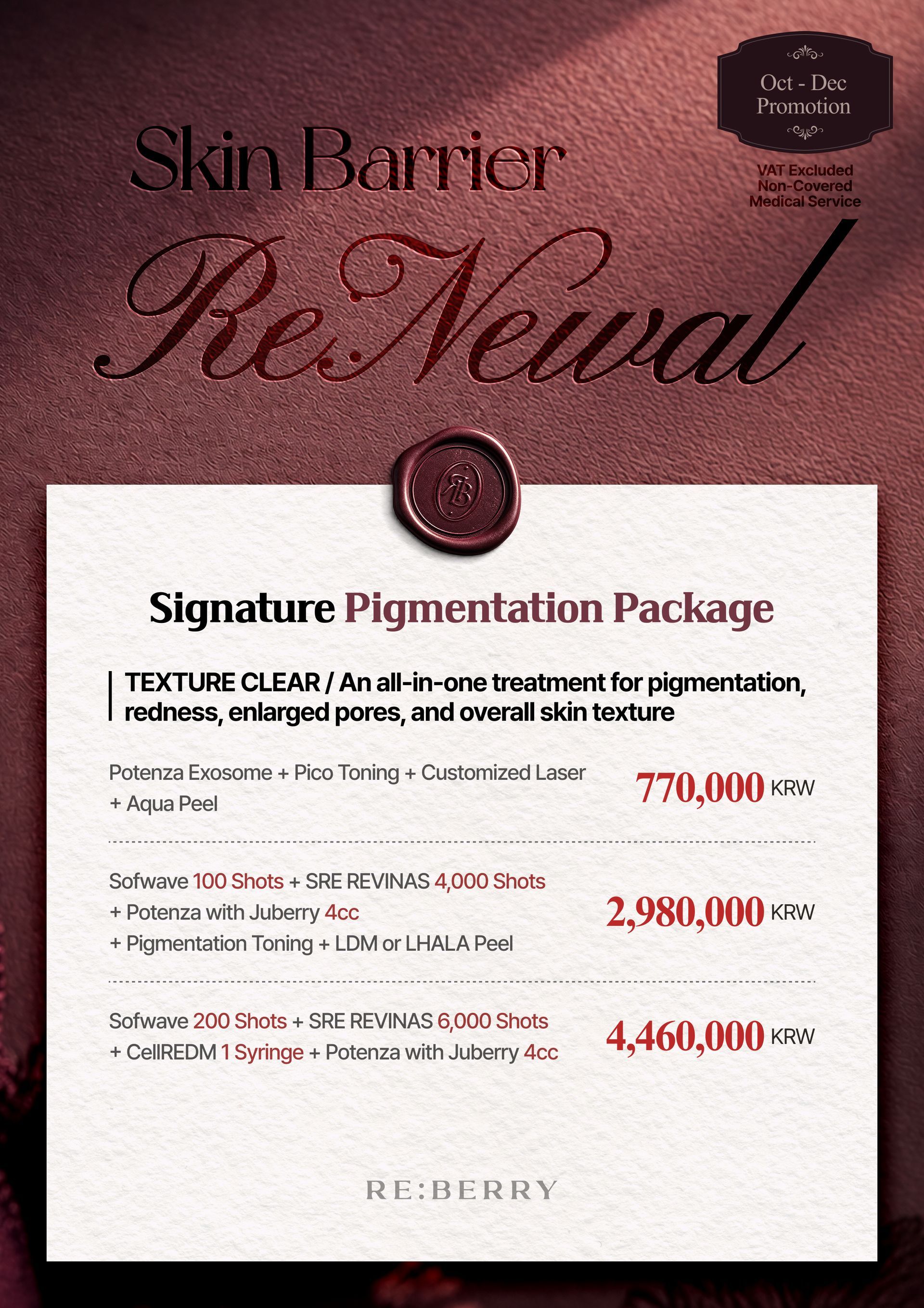
Exosomes are also often combined with microneedling, RF microneedling and skin boosters. An overview of the treatment is available in this guide to exosome treatment in Seoul.
What does the evidence actually show?
| Question | What is known so far |
|---|---|
| Does it reduce post-laser redness? | Some small studies, including split-face trials after fractional laser, report quicker reduction in redness than control treatment. |
| Does it improve final laser results? | Limited data. A few studies suggest better texture or scar improvement, but samples are small. |
| Is it safe? | Short-term side effects in studies are generally mild, but long-term safety data are limited. |
| Are all products the same? | No. Sources and manufacturing differ widely, so results from one product may not apply to another. |
| Is it approved as a medicine? | Not as a cosmetic topical. In several countries, regulators have not approved exosome products as drugs and have warned about unapproved uses. |
The honest summary is that exosomes are promising and widely used, but they have not yet been shown in large, independent trials to reliably speed up healing for everyone.
How are exosomes regulated in Korea?
In Korea, most exosome products marketed for aesthetic use are registered as cosmetics and are intended for application to the skin, often straight after a procedure that opens micro-channels. Injecting a product registered only as a cosmetic is generally not its approved use. If a clinic offers to inject exosomes, ask what the product is, how it is registered and why injection is recommended.
Human stem cell-derived products raise additional regulatory and safety questions. The separate guide on stem cell therapy in Seoul covers how cell-based treatments differ from exosome skincare.
Is exosome therapy worth adding to your laser?
It may be worth considering if:
- You are having a laser with noticeable downtime, such as fractional CO2 or erbium resurfacing, and want every reasonable help with recovery.
- You have a short stay in Seoul and want redness to settle as quickly as possible before flying.
- Your skin is sensitive or prone to lingering redness.
It is less likely to make a meaningful difference after gentle lasers with little downtime, such as low-energy laser toning. Ask your doctor whether the add-on fits your particular laser and skin. For timing your travel around laser treatment, see this guide on having laser treatment before flying.
What else speeds up healing after laser?
Basic aftercare often matters more than any add-on:
- Keep the skin clean and moisturised with the products your clinic advises.
- Avoid picking or scrubbing flaking skin.
- Use strict sun protection, including a hat and broad-spectrum sunscreen once the skin can tolerate it.
- Pause retinoids, acids and other active ingredients until your doctor says otherwise.
- Avoid saunas, swimming pools and heavy sweating for the period advised.
Contact your doctor if you notice increasing pain, yellow crusting, pus, blisters, or redness that is spreading rather than fading, as these can indicate infection or a burn that needs treatment.
Frequently asked questions
Do exosomes really speed up healing after laser?
Some early studies suggest they can reduce redness faster, but evidence is limited and varies by product. Results are not guaranteed.
Are exosome treatments injected?
In Korean aesthetic practice they are usually applied to the skin after laser or microneedling, rather than injected.
Are exosomes made from human cells?
Some are derived from human stem cell cultures, others from animal or plant sources. Ask what the product you are offered is made from.
Are there side effects?
Reported short-term side effects are usually mild, such as temporary irritation. Long-term data are still limited.
Can exosomes replace post-laser skincare?
No. They are an add-on. Gentle cleansing, moisturising and sun protection remain the foundation of recovery.
This article is general information, not medical advice. Ask a qualified doctor about the source, regulatory status and expected benefit of any exosome product before adding it to your laser treatment.