Chin Fat Dissolving Korea
Chin Fat Dissolving in Korea: The Complete Guide
Korea is one of the top destinations for non-surgical slimming treatments, and chin fat dissolving injections are especially popular for achieving a sharper and more defined jawline without surgery. This guide breaks down everything international patients need to know before booking an appointment in Seoul.
What Are Chin Fat Dissolving Injections?
Chin fat dissolving injections are non-surgical contouring treatments designed to break down stubborn fat beneath the chin.
The formulas used in Korea commonly include phosphatidylcholine (PPC), deoxycholic acid, and natural lipolytic blends that help the body metabolize fat gradually.
These solutions target localized fat, making the jawline look slimmer and more contoured.
Why Korea Is Popular for Chin Fat Dissolving
Korea has become a global hub for face-slimming treatments because of:
- Advanced non-surgical aesthetic technology
- Highly experienced cosmetic dermatologists
- Competitive pricing compared to Western countries
- Minimal downtime treatments ideal for short trips
- Customized injection patterns for each face shape
Whether you have a mild double chin or want a v-line profile, Korean clinics often combine techniques to maximize results.
Who Is a Good Candidate?
You may benefit from chin fat dissolving if you have:
- A mild to moderate double chin
- Stubborn submental fat despite diet and exercise
- A desire for a slimmer jawline without surgery
- Good skin elasticity (helps prevent sagging after fat loss)
- No major medical conditions affecting healing
This treatment is great for people with fullness under the chin but no severe skin laxity.
How the Treatment Works
Fat dissolving injections break down fat cells over time. Once destroyed, the cells are naturally removed through the lymphatic system.
Typical Procedure Steps
- Consultation & facial analysis
- Numbing cream (if needed)
- Mapped injection points under the chin
- Injection process (3–10 minutes)
- Cooling pack to reduce swelling
Most people need 2–5 sessions spaced 1–2 weeks apart.
Results: What to Expect
- Initial swelling for 1–3 days
- Visible slimming in 2–4 weeks
- Optimal results after multiple sessions
- Long-lasting improvement when paired with healthy habits
The area becomes gradually tighter and more refined.
Side Effects
Common, temporary effects include:
- Swelling
- Redness
- Mild bruising
- Warmth or tenderness
- Numbness for a few days
Most resolve within a week. Serious complications are rare when done by trained injectors.
Downtime
Recovery is minimal:
- You can return to daily activities immediately
- Expect puffiness for the first 48–72 hours
- Avoid heavy workouts for 24 hours
- Avoid alcohol for the first day
Because swelling mimics a “bigger chin,” many people plan treatment on weekends or evenings.
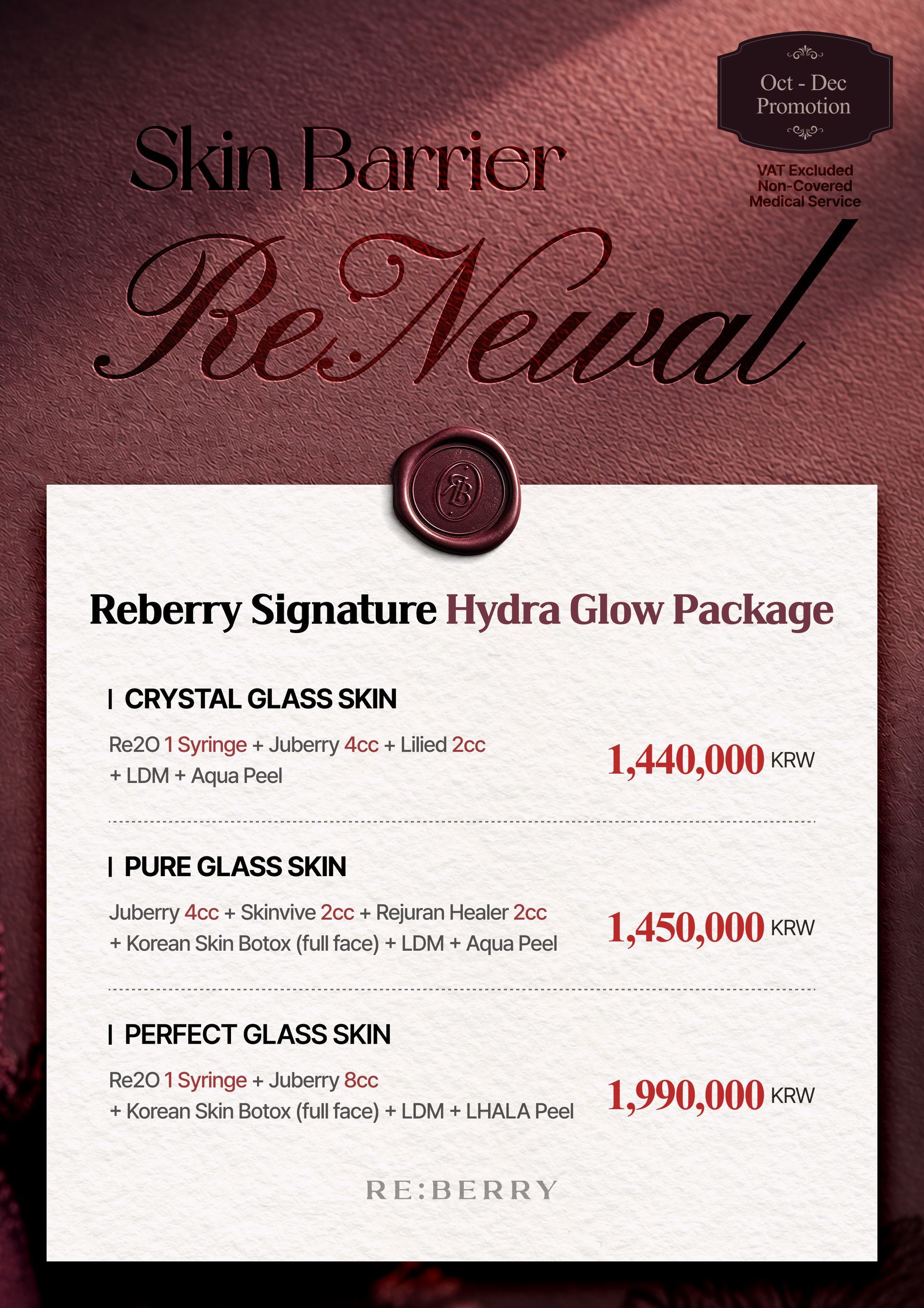
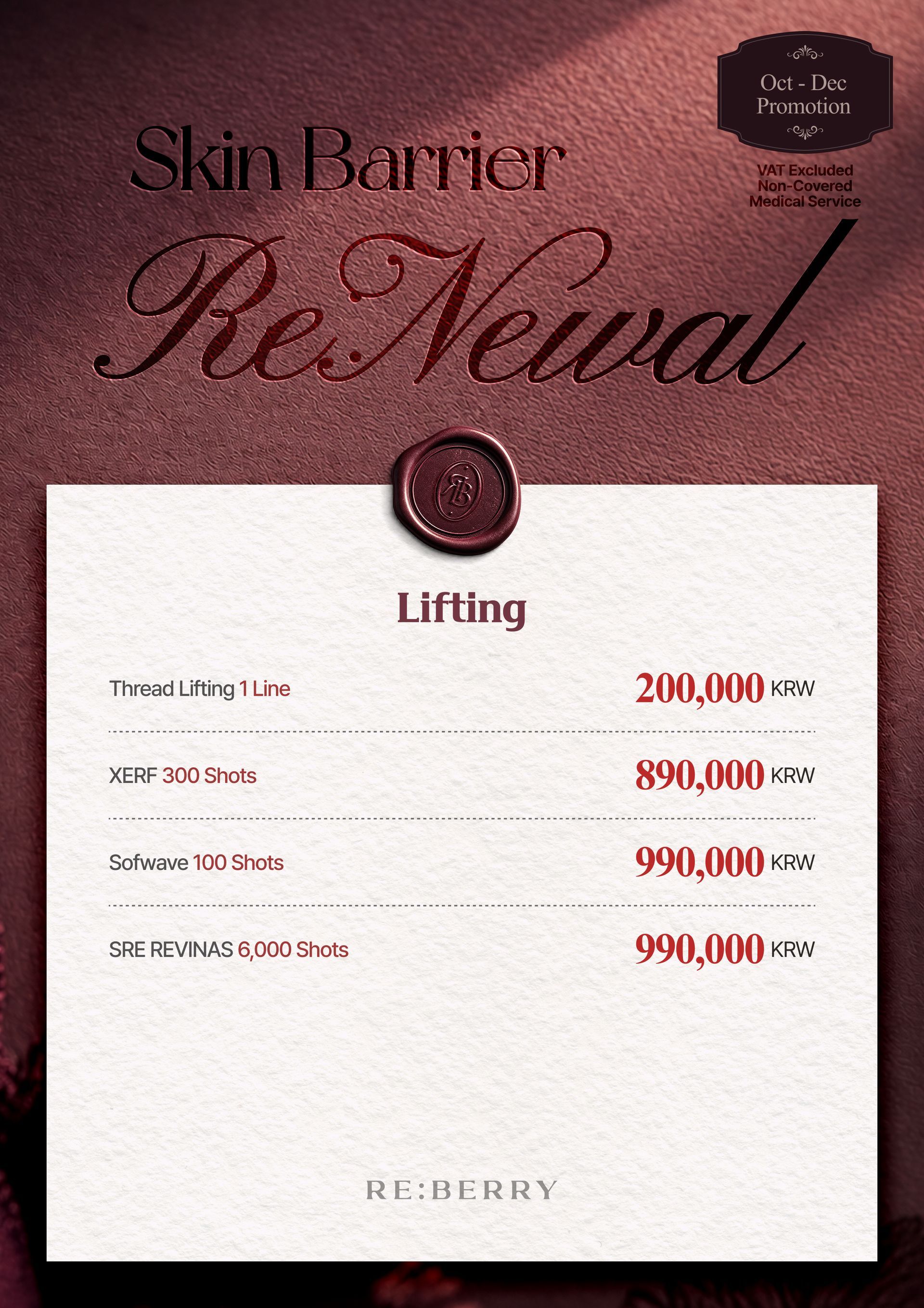
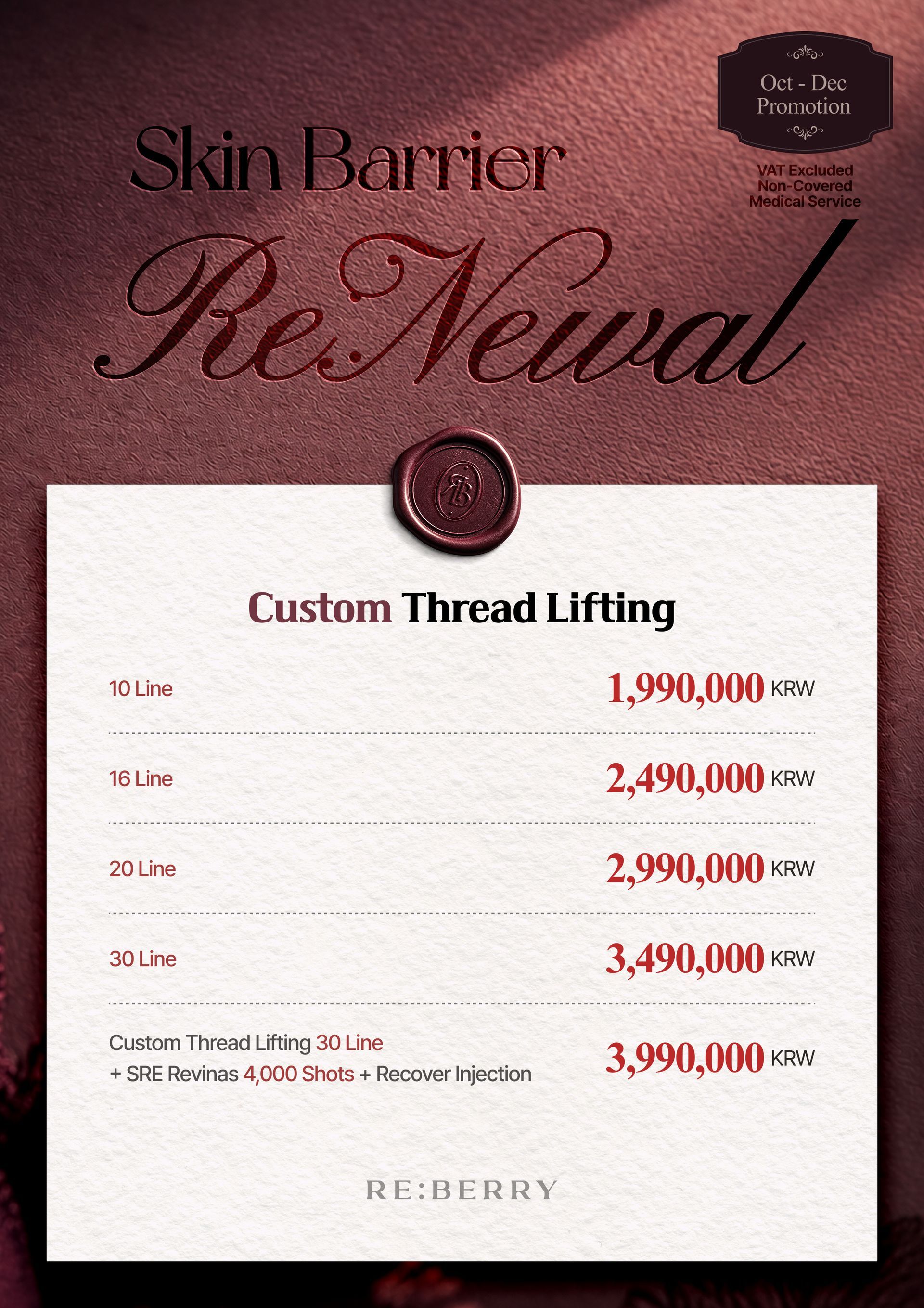
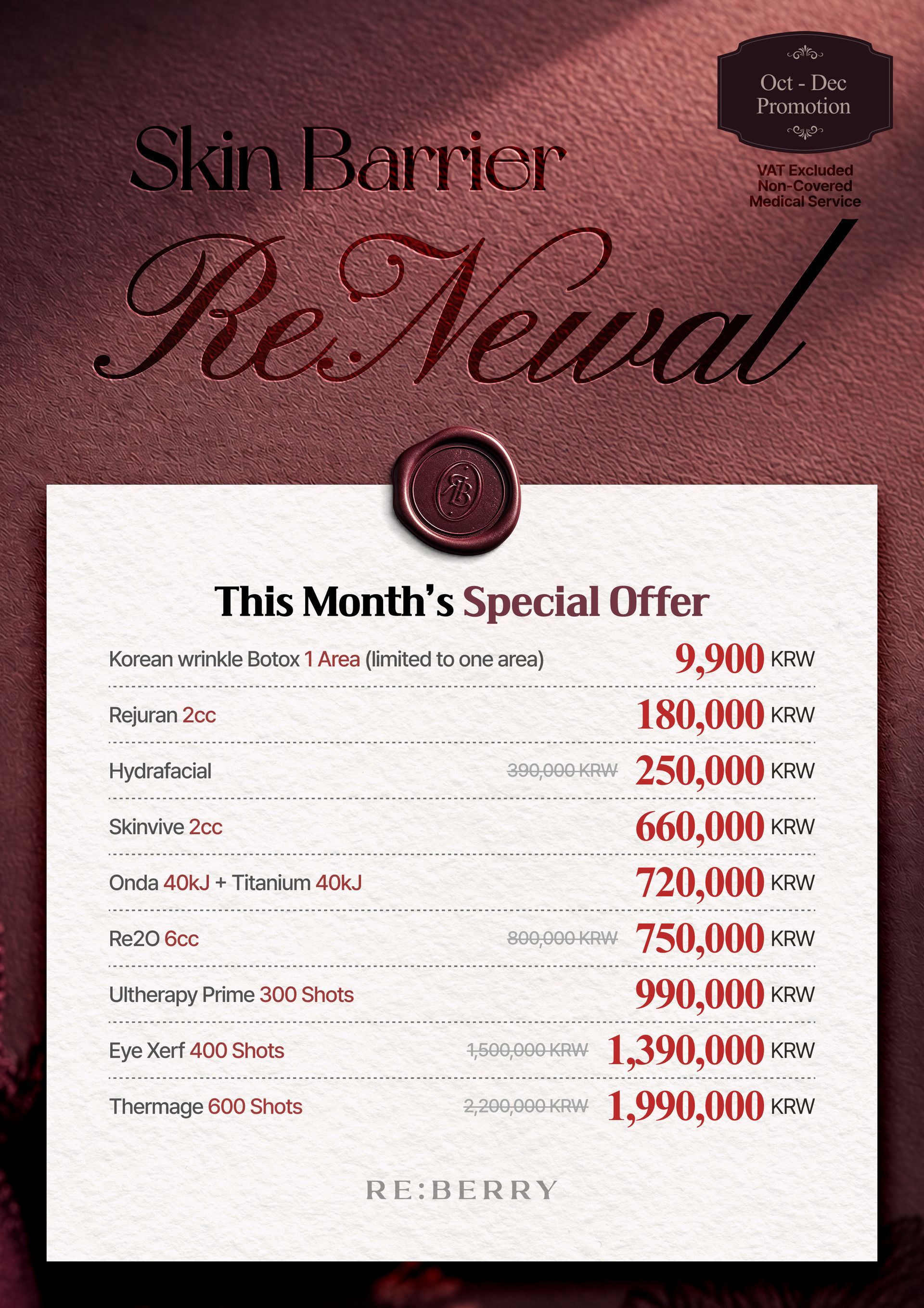
How Much Does Chin Fat Dissolving Cost in Korea?
Prices vary depending on formula, dosage, and injector experience.
Average pricing in Seoul:
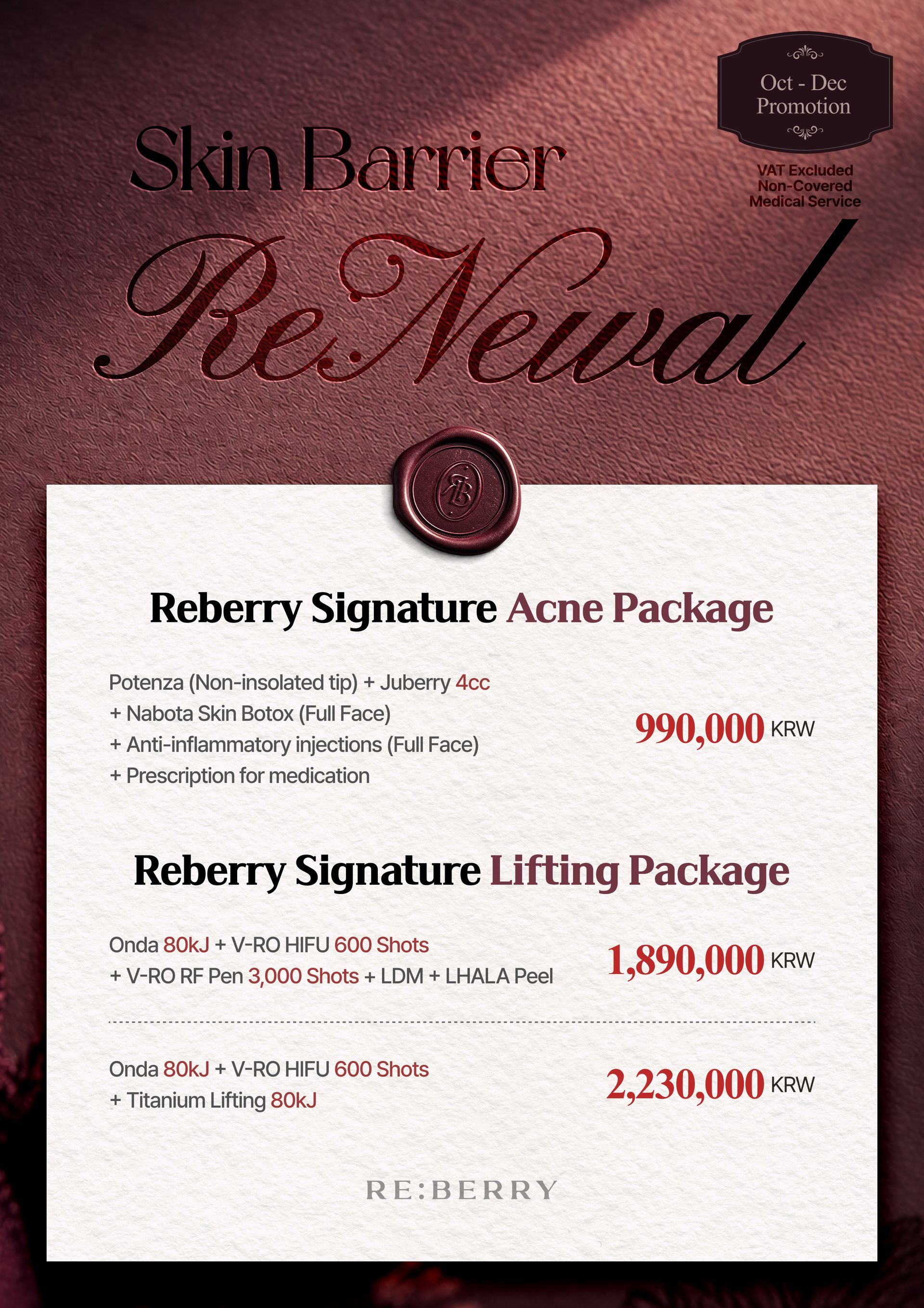
- ₩60,000 – ₩150,000 per session
- Most patients need 2–4 sessions
Still far more affordable than surgery such as liposuction or buccal fat removal.
Chin Fat Dissolving vs Other Korean Slimming Options
Other popular alternatives and complementary procedures include:
- Jaw Botox (Masseter Reduction) – reduces muscle width
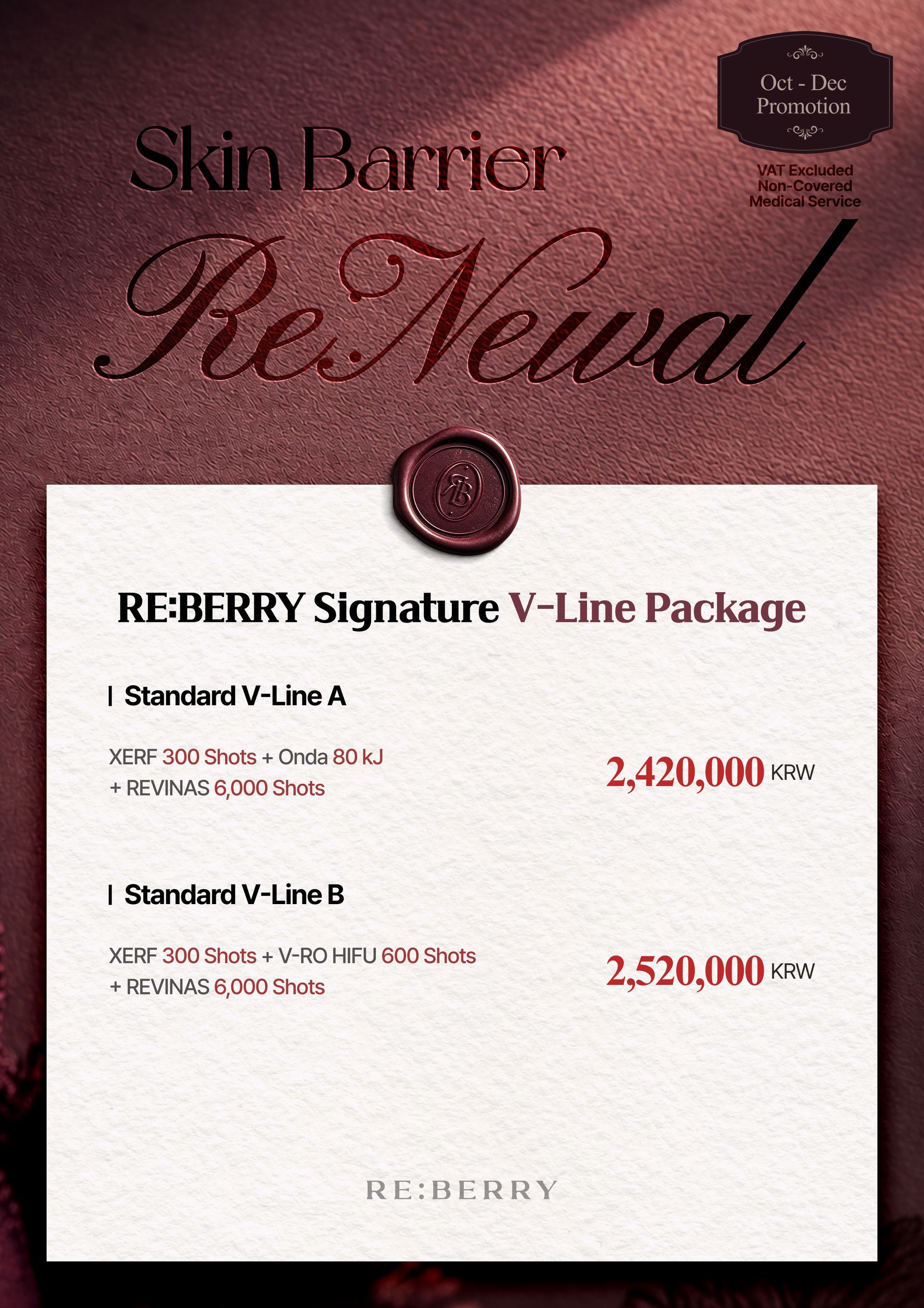
- HIFU (Ultherapy/Shurink) – tightens and lifts
- Radiofrequency (RF) lifting – smooths and firms
- Korean lipolysis drips/IV – whole-face slimming support
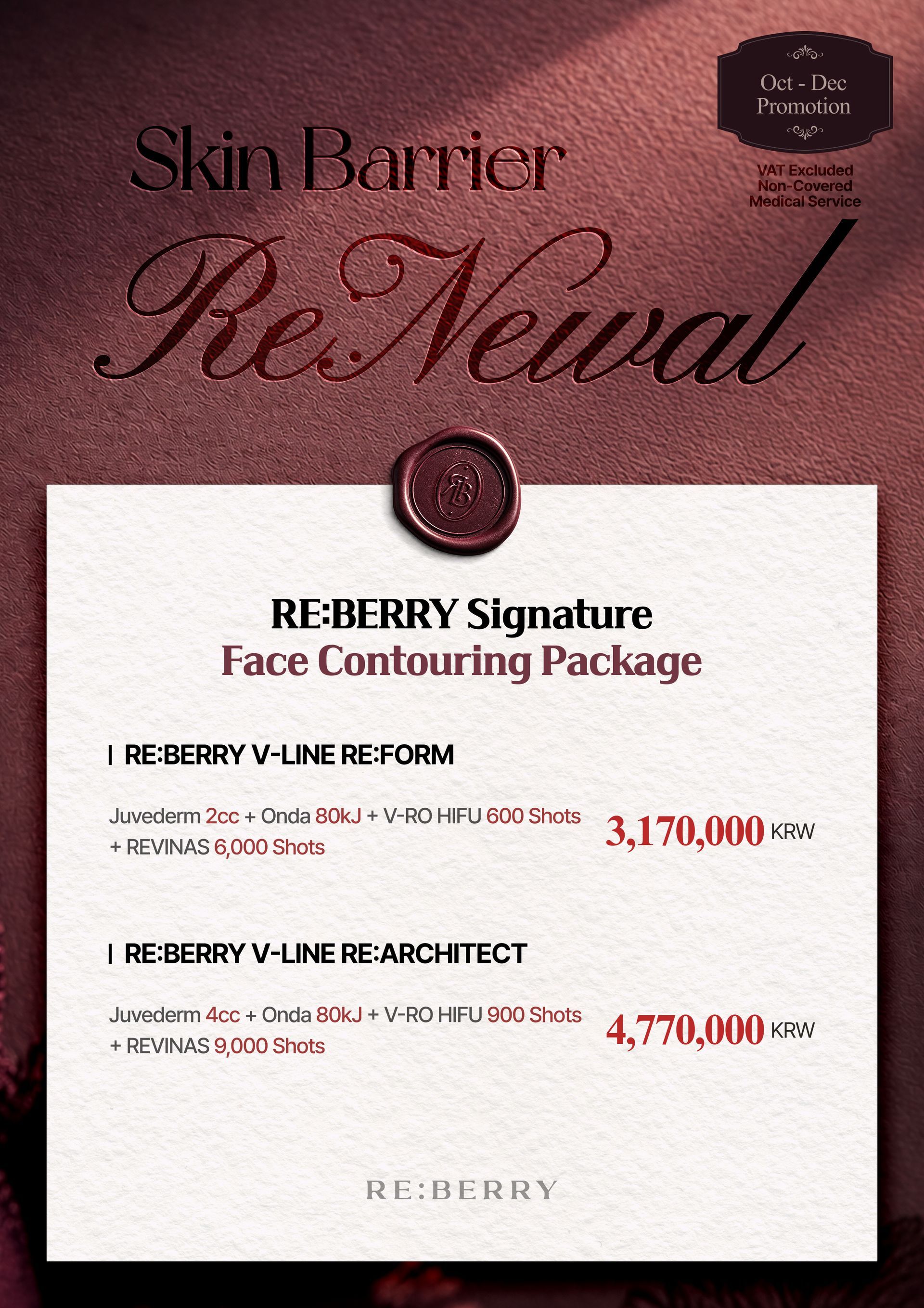
Many combine fat dissolving + HIFU for maximum v-line effect.
How Long Do Results Last?
Once fat cells are dissolved, they don’t return—however, weight gain can create new fat accumulation.
With stable weight, results are long-lasting and often considered semi-permanent.
Tips for First-Time Visitors to Korea
- Book 2–3 sessions if you’re staying for a few weeks
- Choose weekdays for shorter wait times
- Bring screenshots of desired jawline shape
- Ask for light swelling protocol if you have events
International patients typically receive English-friendly consultations in major areas like Gangnam, Sinsa, Myeongdong, and Apgujeong.