HIFU vs RF Lifting in Korea: How They Work and When to Choose Each
Korea is one of the world’s top destinations for non-surgical lifting and tightening. Two of the most popular options are HIFU (High-Intensity Focused Ultrasound) and RF (Radio-Frequency) Lifting. While both improve skin firmness and reduce sagging, they work in different layers of the skin—and choosing the right one depends on your skin type, age, and desired results.
This guide breaks down the differences, benefits, and the best time to choose each treatment in Korea.
What Is HIFU Lifting?
HIFU uses focused ultrasound energy to target deeper layers of the skin, including the SMAS layer, which is the same layer tightened during a surgical facelift. This makes it ideal for achieving a noticeable lifting effect without surgery.
How HIFU Works
- Delivers ultrasound energy deep into the skin
- Creates precise thermal points in the SMAS layer
- Triggers collagen regeneration
- Lifts sagging skin from the inside out
Best For
- Jawline definition
- Lower-face sagging
- Drooping cheeks
- Mild to moderate skin laxity
- People who want sculpting and lifting without volume
Common HIFU Devices in Korea
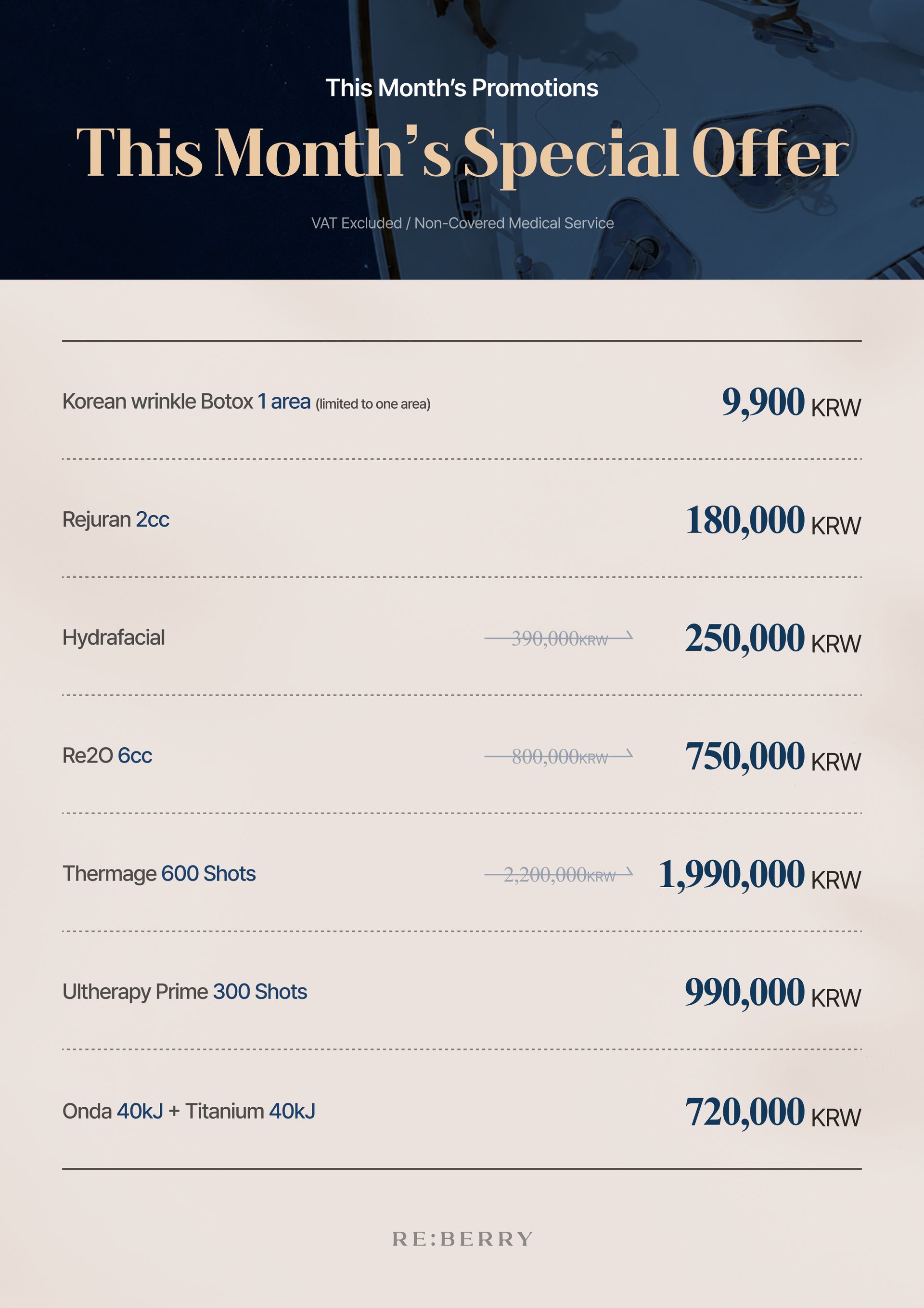
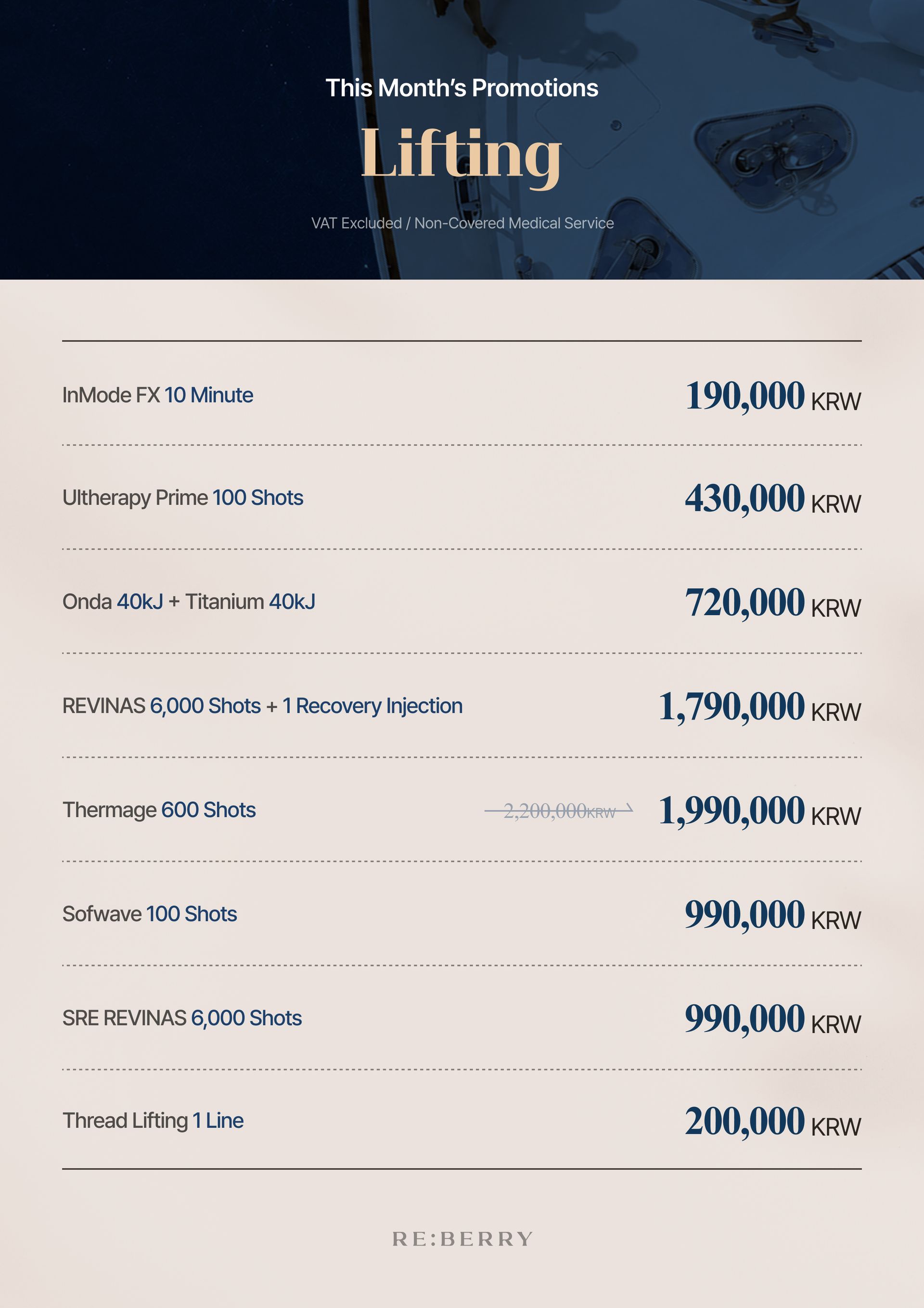
Ultherapy, Shurink, Liftera, and similar ultrasound-based lifting machines.
What Is RF Lifting?
RF (Radio-Frequency) lifting uses controlled heat to tighten the dermis, boost collagen, and improve skin elasticity. It works more on skin texture, fine lines, and firmness rather than deep structural lifting.
How RF Works
- Heats the dermis evenly
- Tightens collagen fibers
- Stimulates new collagen and elastin
- Improves surface firmness and elasticity
Best For
- Fine lines and early wrinkles
- Loose or thin skin
- Crepey texture
- Mild laxity on the face, neck, or eyes
- People who want smoother, firmer skin with no downtime
Common RF Devices in Korea
Thermage FLX, Oligio, various monopolar or bipolar RF systems.
HIFU vs RF: What’s the Main Difference?
HIFU = Deep Lifting
It targets the deeper layers of the face for a lifting and contouring effect.
RF = Surface Tightening
It works in the upper layers to improve skin quality and elasticity.
If your goal is lifting, HIFU is stronger.
If your goal is tightening and skin quality, RF is better.
Which One Lasts Longer?
- HIFU results generally last 9–18 months depending on age, skin condition, and device.
- RF results usually last 6–12 months, especially when combined with maintenance sessions.
HIFU often requires fewer sessions, while RF is commonly done as a regular maintenance treatment.
When to Choose HIFU in Korea
Choose HIFU if you want:
- A sharper V-line
- Jawline definition
- Lifting for sagging cheeks
- Lower-face tightening
- A subtle facelift effect without surgery
- More dramatic, structural improvement
HIFU is especially popular among people in their late 20s to 40s who notice early sagging but aren’t ready for surgical options.
When to Choose RF Lifting in Korea
Choose RF if you want:
- Smoother, tighter skin
- Better elasticity
- Fine-line reduction
- More youthful texture
- Eye-area tightening
- A gentle treatment with almost zero downtime
RF is great for people who want skin improvement without feeling “pulled” or sculpted.
Can You Combine HIFU and RF?
Absolutely — and this is one of the reasons Korean clinics are famous for natural-looking lifting results.
Combination benefits:
- HIFU lifts the deeper layers
- RF tightens the surface
- Skin looks firmer, lifted, and more youthful
- Results look more natural and last longer
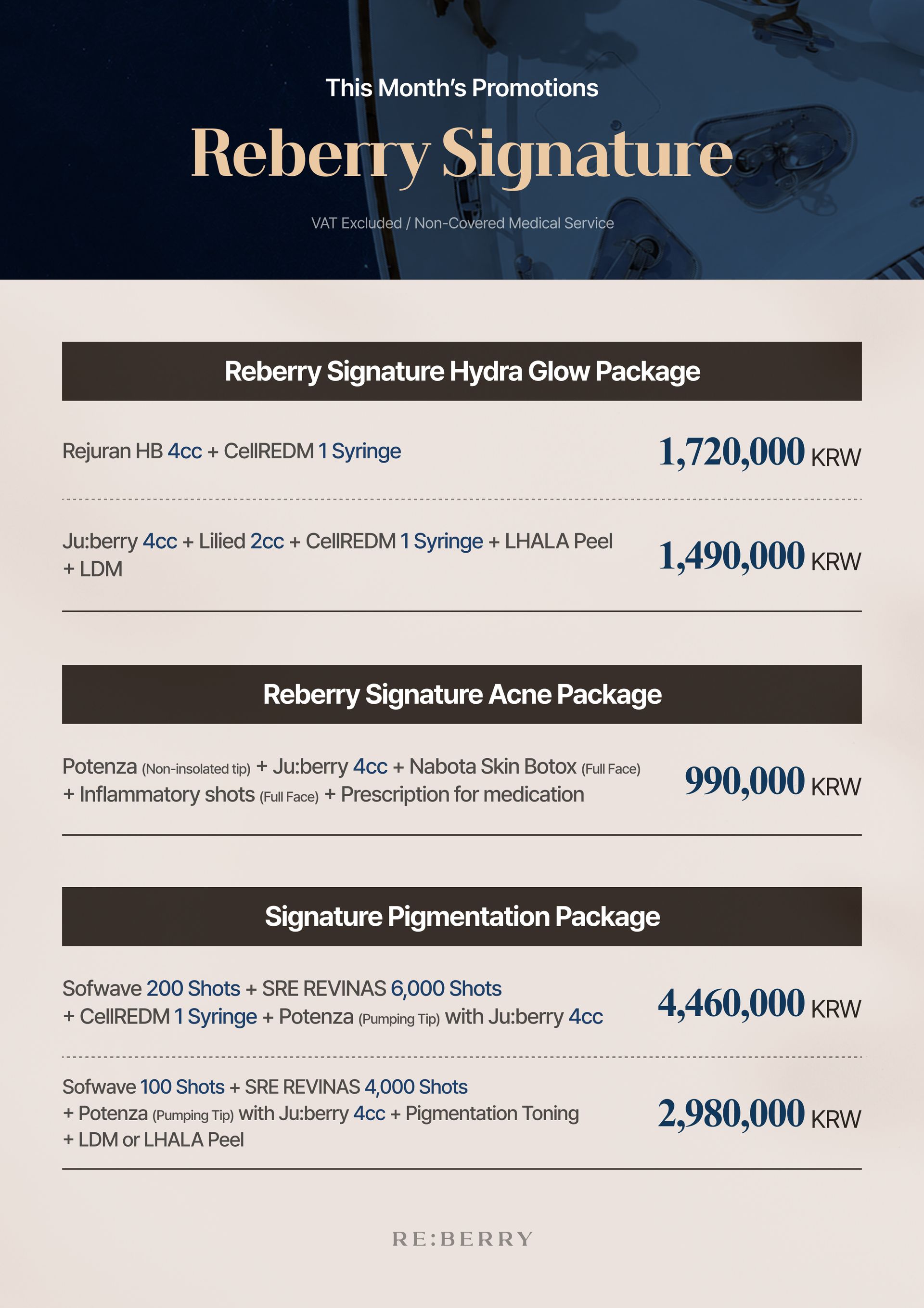
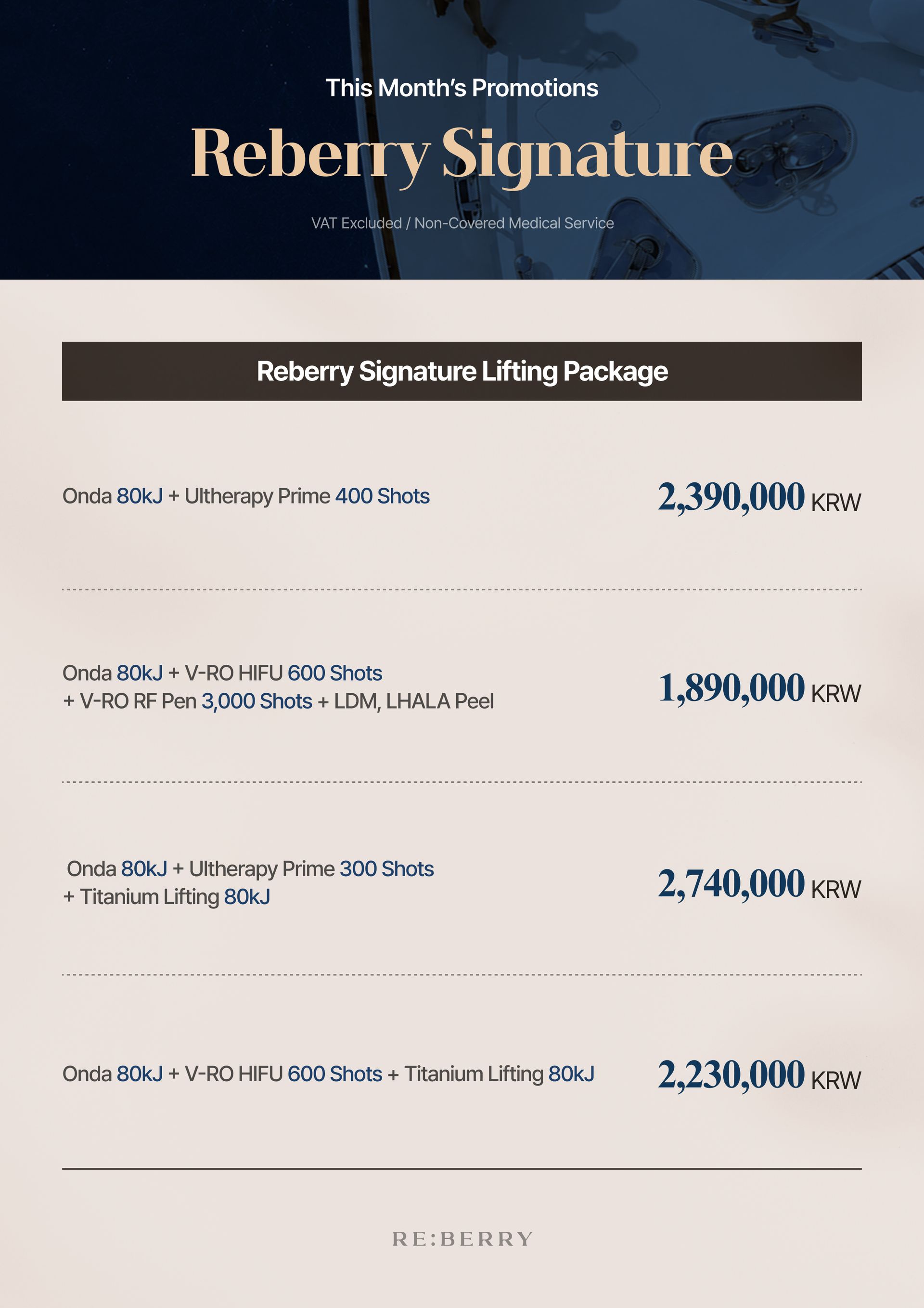
Most popular Korean “signature lifting packages” include both technologies.
Which One Is Better for Your Age?
20s – Early 30s
- RF for prevention, tightening, texture
- Occasional HIFU for contouring
30s – 40s
- Combination lifting
- HIFU for jawline + RF for texture
50s+
- HIFU for deeper sagging
- RF for surface firming
- Thread lift may be added depending on laxity
Final Recommendation: HIFU vs RF in Korea
- Choose HIFU if you want deep lifting, facial contouring, and structural change.
- Choose RF if you want smoother, firmer skin with improved elasticity and minimal downtime.
- Choose both if you want the most natural, long-lasting anti-aging results — the Korean approach.