LED Light Therapy in Seoul, Korea
What is LED Light Therapy?
- LED (Light-Emitting Diode) therapy is a non-invasive skin treatment that uses specific wavelengths of light (blue, red, yellow/green) to stimulate skin cells, help repair damage, reduce inflammation, kill acne-causing bacteria, and improve skin tone and texture.
- It does not involve heat or ablative damage like many lasers; rather, it uses light energy to gently stimulate biological responses—making it lower-downtime and gentler. myeongdongdermatologyclinic.com
- Different colours = different effects:
- Blue light: targets bacteria responsible for acne, reduces inflammation.
- Red light: stimulates collagen production, improves elasticity, reduces fine lines. Ever Skin Clinic Apgujeong+1
- Yellow/Green light: calms redness, helps with pigmentation/uneven tone.
Why Consider It in Seoul?
- Seoul (especially districts like Gangnam, Myeongdong) has many dermatology clinics and skin-care centres offering LED therapy as part of their treatment menus for acne, skin rejuvenation, redness/sensitivity and skin maintenance.
- Because you are located in Gyeonggi-do (near Seoul), you have convenient access to clinics for consultation, treatment, and follow-up.
- The cost for LED treatments in Seoul tends to be competitive relative to some other regions, and many clinics offer package deals or combine LED therapy with other treatments.
What to Expect: Procedure & Recovery
Consultation & Planning:
- The clinician will assess your skin concerns: acne/breakouts, skin tone/texture, redness/sensitivity, aging signs, and decide if LED therapy alone is appropriate or should be combined with other treatments.
- They’ll also consider your skin type, any pigmentation risk, and what wavelength(s) are suitable.
On Treatment Day:
- You lie back, the skin is cleansed, and the LED panel/device is applied to your face (or the target area) for a set period—often about 15-30 minutes depending on the clinic and device.
- The treatment is comfortable, generally painless or with minimal sensation, no injections or incisions required.
Aftercare & Recovery:
- Very minimal downtime: You can typically resume most normal activities immediately afterwards.
- Some mild warmth, redness, or tingling may occur, but it usually resolves quickly.
- After-care typically includes good sun protection, gentle skincare, and avoiding harsh treatments for a short period if your skin is sensitive.
- Results accumulate: You may see visible improvement after several sessions for concerns like acne, redness, texture, etc.
What It Can Address / Key Benefits
- Active acne & breakouts: Blue light helps reduce acne-causing bacteria and inflammation. Seoul Laser Skin Clinic+1
- Redness, sensitivity, post-treatment calming: Yellow/green/red lights can help calm the skin, reduce visible redness and support healing., subtle reduction in fine lines through collagen stimulation (red light).
- Maintenance & minimal downtime: Good for people seeking a gentle add-on treatment rather than major resurfacing.
Suitability & Limitations
Good candidates:
- People with mild to moderate skin concerns: acne prone skin, redness/sensitive skin, wanting a gentle rejuvenation.
- Those wanting minimal downtime and low risk treatments.
- People willing to do multiple sessions for cumulative benefit.
Consider alternatives or enhancements if:
- You have significant skin laxity, deep scars, major pigment issues or heavy texture problems—LED alone may not suffice; you'll likely need stronger/resurfacing treatments.
- You have darker skin tones and pigmentation risk—ensure the clinic is experienced with LED/light therapies for darker skin, because any light-based treatment needs to be carefully calibrated.
- You expect dramatic, immediate results—this is more gradual and subtle than aggressive laser resurfacing.
Cost Range in Seoul – Ballpark Figures
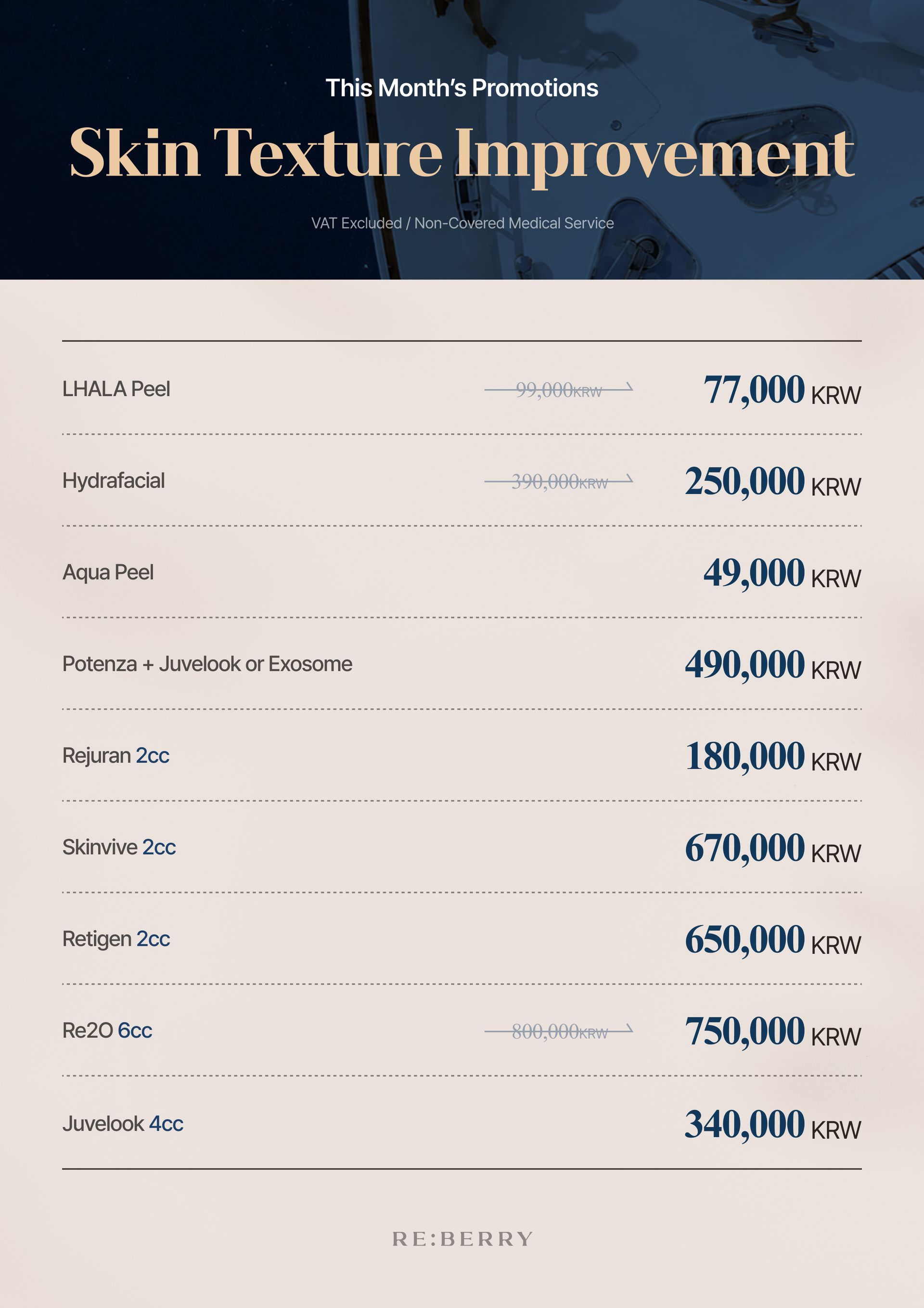
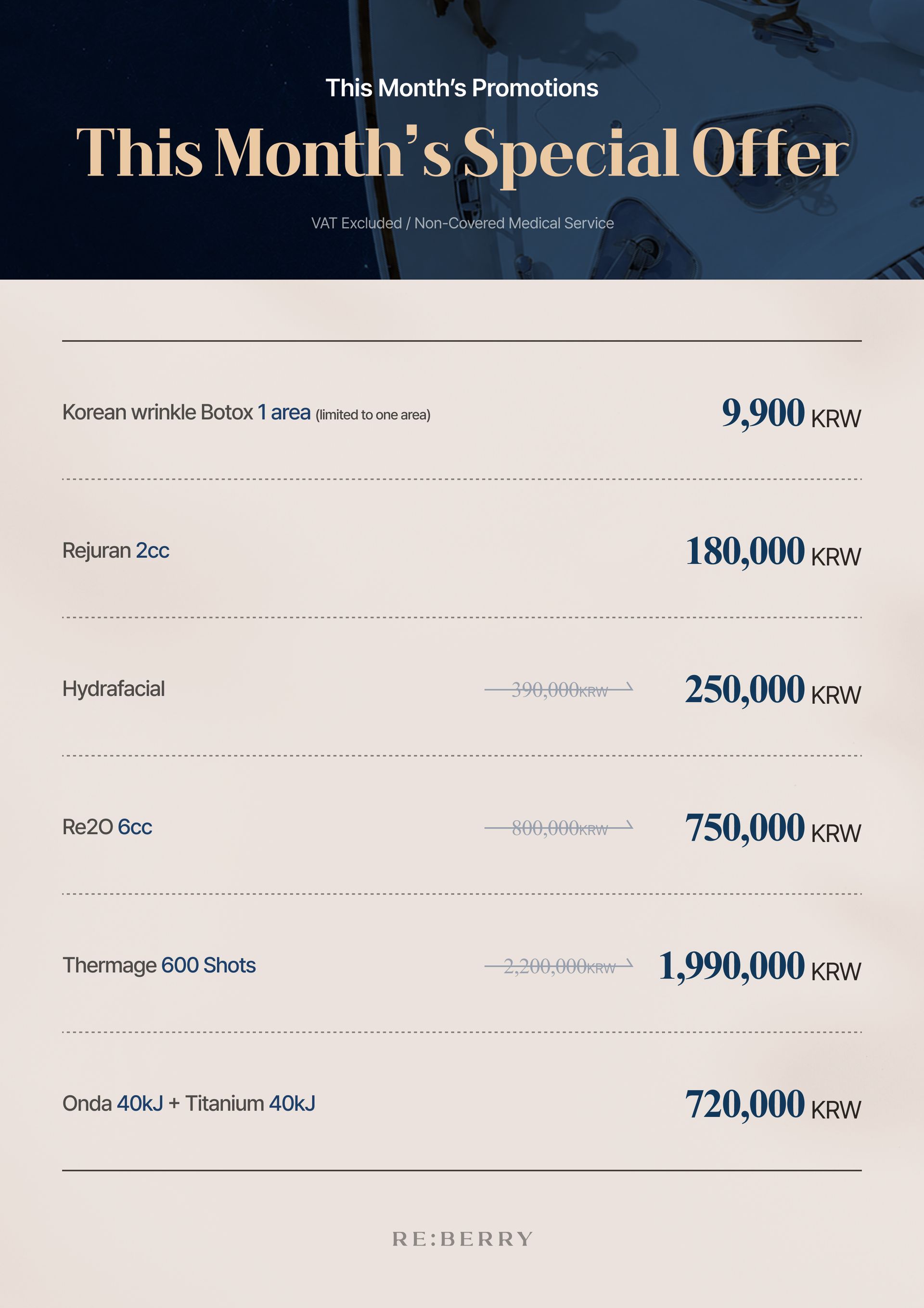
- According to clinic listings: a standalone LED light therapy session in Seoul typically ranges from ₩70,000 to ₩150,000 KRW for a full face session.
- As an add-on to other treatments (laser, facial, peel) the cost might be ₩30,000 to ₩80,000 KRW extra.
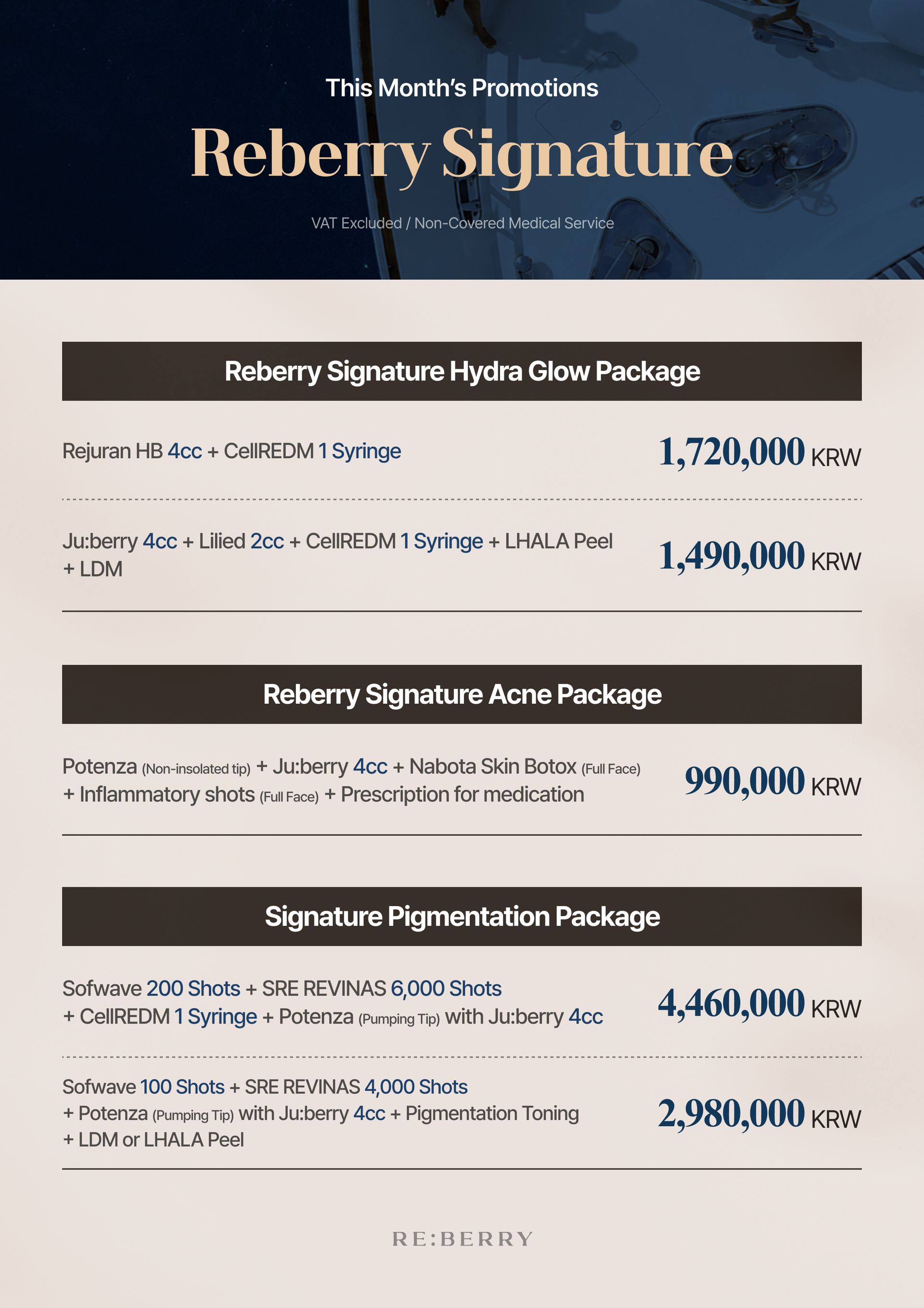
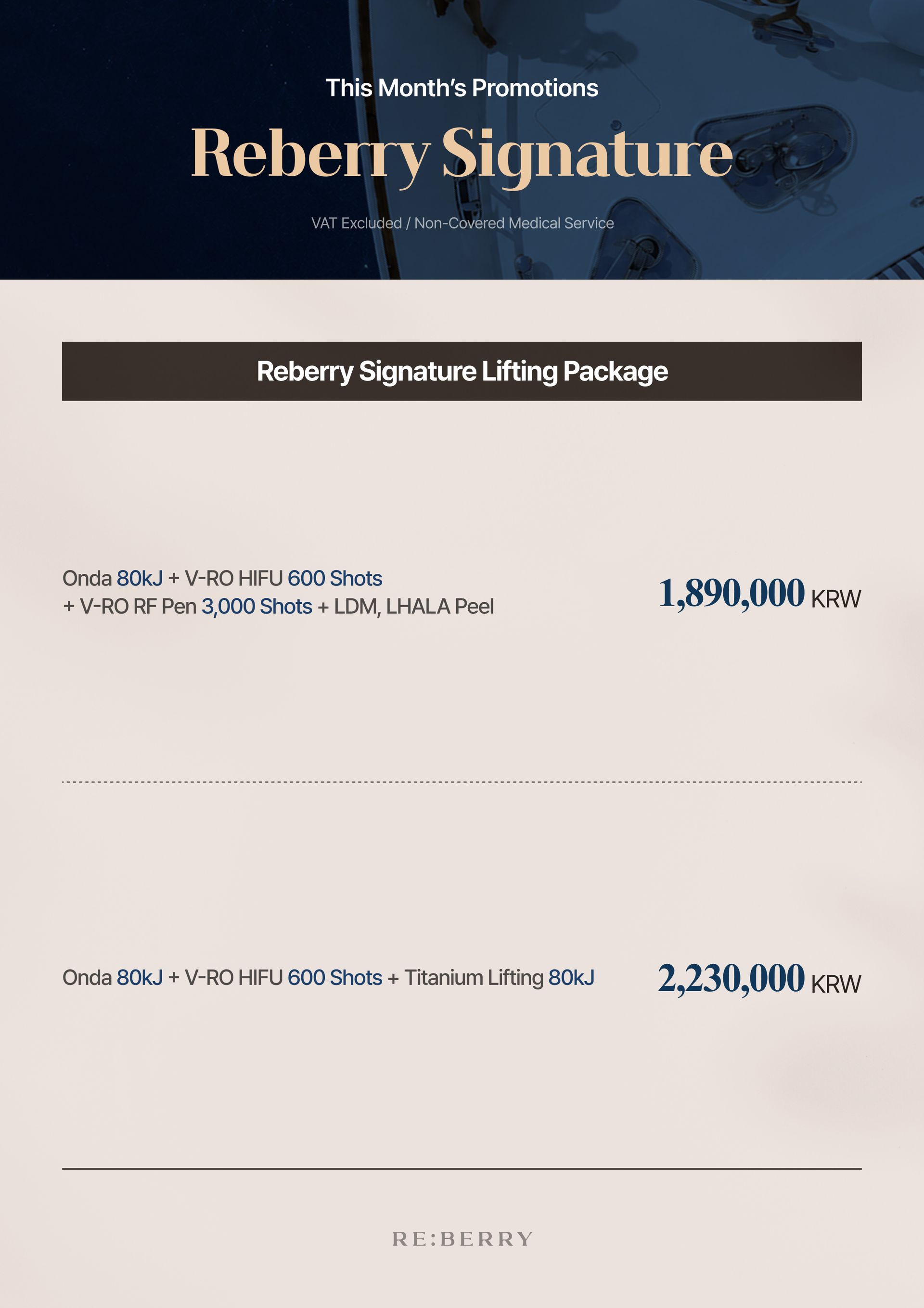
- Some clinics list larger packages or more advanced LED systems at higher pricing (above ₩300,000 KRW) when combined with other modalities.
Key Questions to Ask Your Clinic
- What wavelengths or LED colours will you use for my skin concern (acne/redness/rejuvenation)?
- How many sessions do you recommend and at what intervals for best results in my case?
- What device/brand is used? Is it medical-grade?
- What downtime or after-care is required for my skin type? Any special instructions?
- Are there any risks I should be aware of (especially given my skin tone/condition)?
- What’s included in the quoted cost (consultation, number of sessions, follow-up)?
- Can you show before/after images of patients with similar skin concerns and skin type?
- How does LED therapy fit into my broader skin plan (will I need other treatments too)?
Practical Tips & How to Prepare
- Before treatment:
- Avoid heavy sun exposure/ tanning before your session; protect your skin with sunscreen.
- Arrive with clean skin (minimal makeup) so the LED device can have direct contact/clear skin surface.
- If you have active skin irritation or open wounds, mention this to the clinic—they may delay the session or adjust plan.
- On the day:
- Ask about comfort measures—LED is generally comfortable but ensure you are positioned properly.
- Discuss which areas will be treated (face, neck, décolletage) and how many minutes.
- After treatment:
- There’s usually no downtime, but still avoid heavy sun exposure and use sunscreen daily.
- Use gentle skincare — avoid harsh peels/exfoliants for a short while if your skin is slightly sensitive.
- Stay hydrated and support your skin with good sleep and skincare routine.
- Maintenance:
- For best results, multiple sessions are often needed (e.g., 4-8 sessions weekly or biweekly). 강남 스킨케어 클리닉+1
- After initial course, occasional maintenance sessions help sustain the effect.
- Good home skincare (cleansers, moisturisers, sun protection) supports in-clinic treatment.