Safe Hyperpigmentation Treatment
for Black Skin in Seoul, Korea
Gangnam Re:berry Clinic
Safe Hyperpigmentation Treatment for Black Skin in Seoul, Korea
Advanced Melanin Care at RE:BERRY Clinic Gangnam
Safe Hyperpigmentation Treatment for Black Skin is a specialized approach designed to reduce dark spots, uneven tone, and post-inflammatory pigmentation while protecting melanin-rich skin. Treating deeper skin tones requires precision and careful energy control to prevent irritation or rebound pigmentation.
At RE:BERRY Clinic Gangnam, customized pigmentation treatments are carefully selected to brighten and even skin tone safely for darker skin types.
What Is Safe Hyperpigmentation Treatment for Black Skin?
Hyperpigmentation in melanin-rich skin can result from acne scars, inflammation, sun exposure, or hormonal changes. Because darker skin contains more active melanocytes, treatments must be gentle yet effective to avoid complications.
At RE:BERRY Clinic, safe hyperpigmentation treatment may include:
- Low-energy laser toning
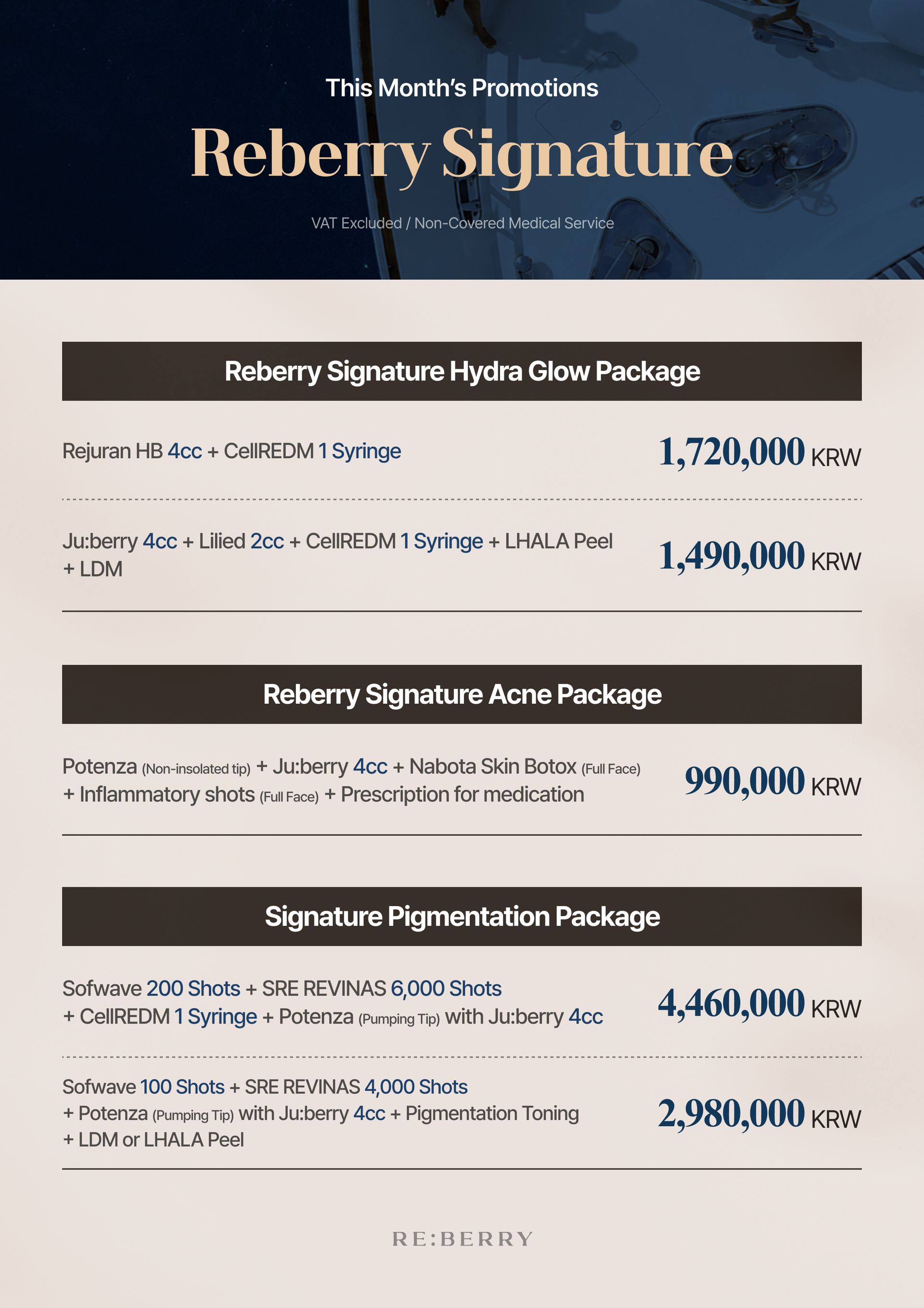
- Pico laser with adjusted settings
- Gentle chemical peels
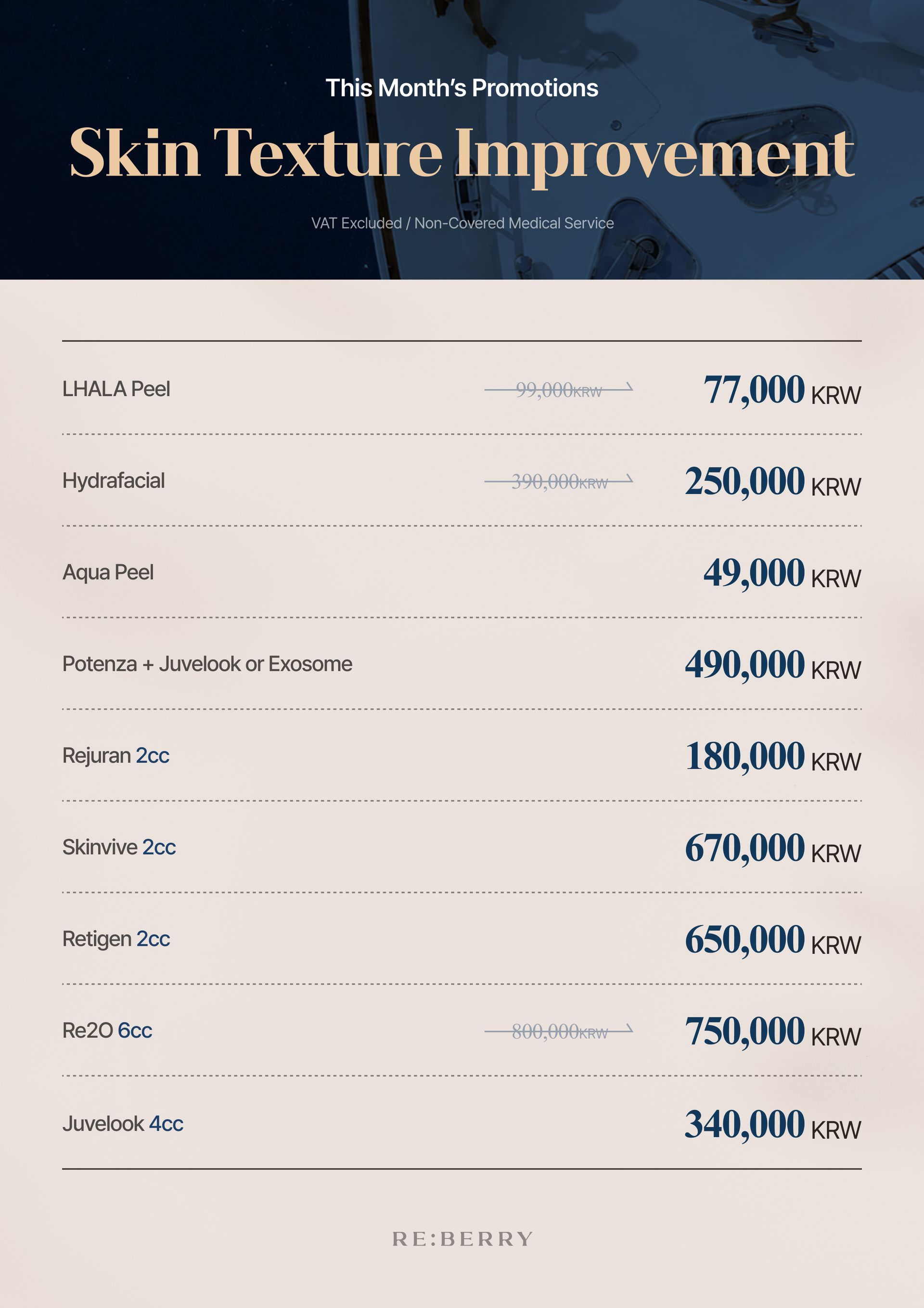
- Brightening skin boosters
- Medical-grade topical therapy
This approach focuses on gradual brightening while preserving skin integrity.
Recommended for:
✔ Post-inflammatory hyperpigmentation (PIH)
✔ Acne marks
✔ Sun spots
✔ Uneven skin tone
✔ Melasma in darker skin types
Why Choose Treatment in Gangnam?
Gangnam is known for advanced dermatology and precision laser techniques. At RE:BERRY Clinic Gangnam, treatment settings are carefully calibrated for melanin-rich skin to minimize risks.
The clinic offers:
- Customized laser parameters for darker skin
- Step-by-step gradual brightening protocol
- Combination treatments for safer results
- Strict post-care guidance
- Foreigner-friendly service for international patients
Safety and long-term skin health are prioritized over aggressive treatment.
Benefits of Safe Hyperpigmentation Treatment
Treatment at RE:BERRY Clinic helps:
✔ Reduce dark spots safely
✔ Improve overall skin clarity
✔ Even out complexion
✔ Minimize risk of rebound pigmentation
✔ Support healthy skin barrier
✔ Achieve gradual, natural brightening
Consistent sessions deliver more stable and long-lasting improvement.
What to Expect During Treatment
A typical session includes:
Treatment time: 20–40 minutes
Procedure:
- Detailed skin analysis
- Selection of appropriate laser or therapy
- Gentle, controlled treatment
- Cooling and soothing post-care
Recovery:
- Mild redness may occur temporarily
- Strict sun protection required
- Avoid harsh skincare during recovery
- Multiple sessions recommended for optimal results
Gradual improvement is expected over several weeks.
Safe Hyperpigmentation Treatment at RE:BERRY Clinic Gangnam
At RE:BERRY Clinic, hyperpigmentation treatment for Black skin is performed with advanced technology and careful customization to ensure safe and effective results.
Whether you are visiting Seoul or living in Korea, RE:BERRY Clinic provides a premium, foreigner-friendly hyperpigmentation treatment experience in Gangnam.
📍 RE:BERRY Clinic Gangnam, Seoul
💌 Book your consultation for personalized pigmentation treatment